
Last updated November 4, 2026
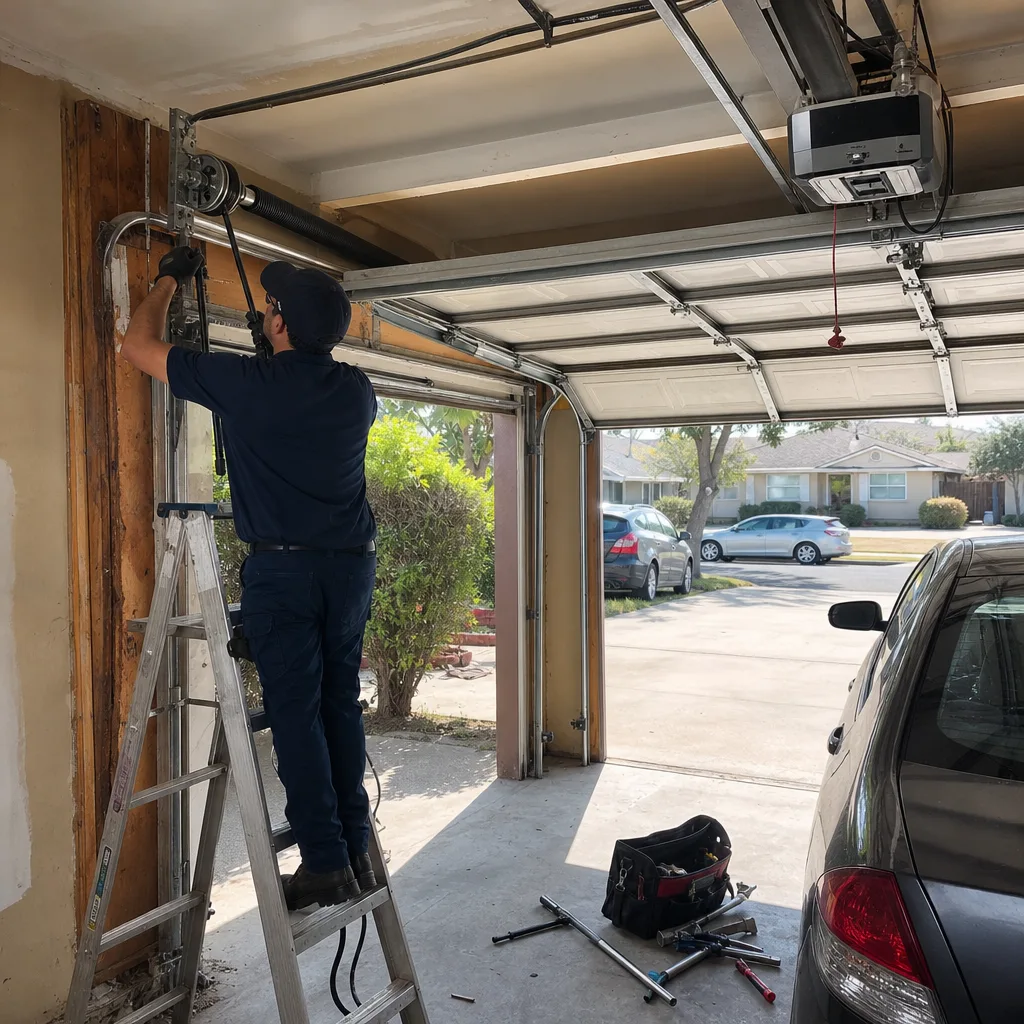
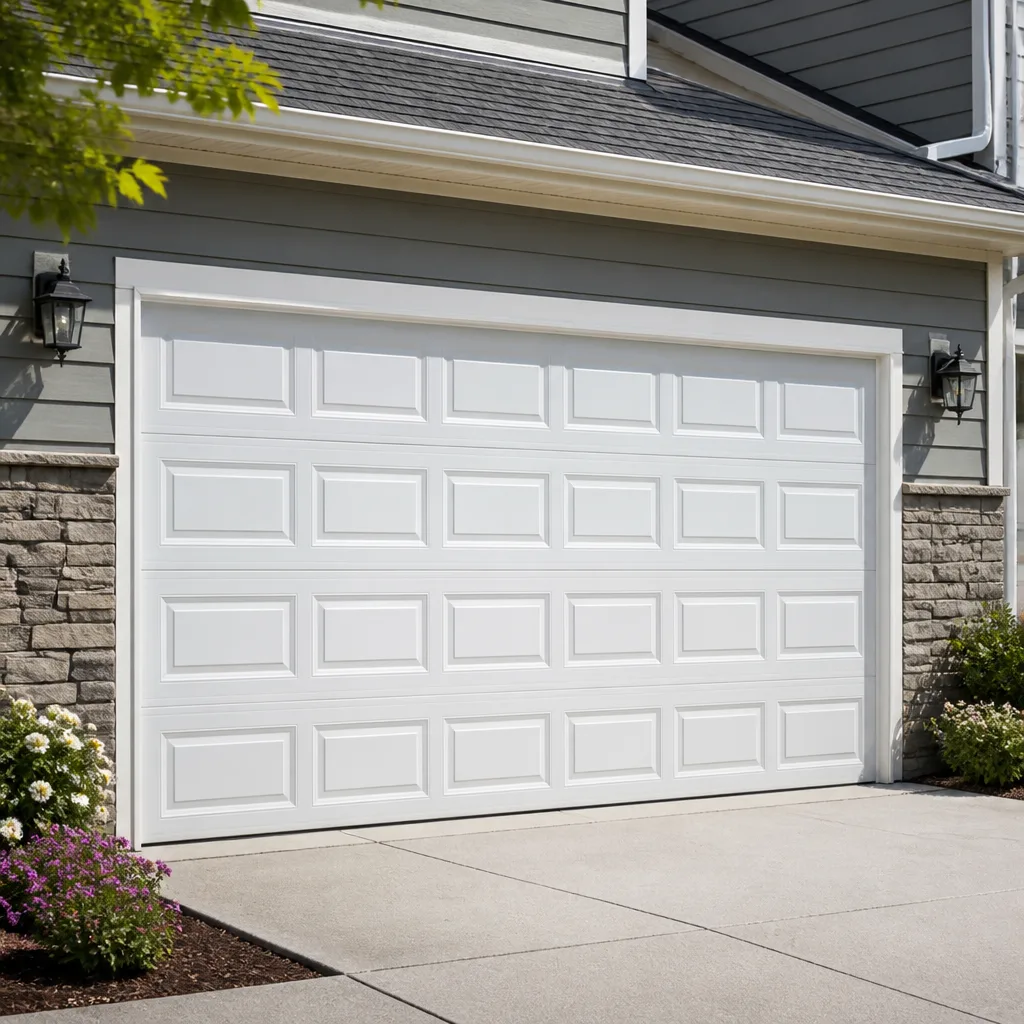 Raised-panel steel
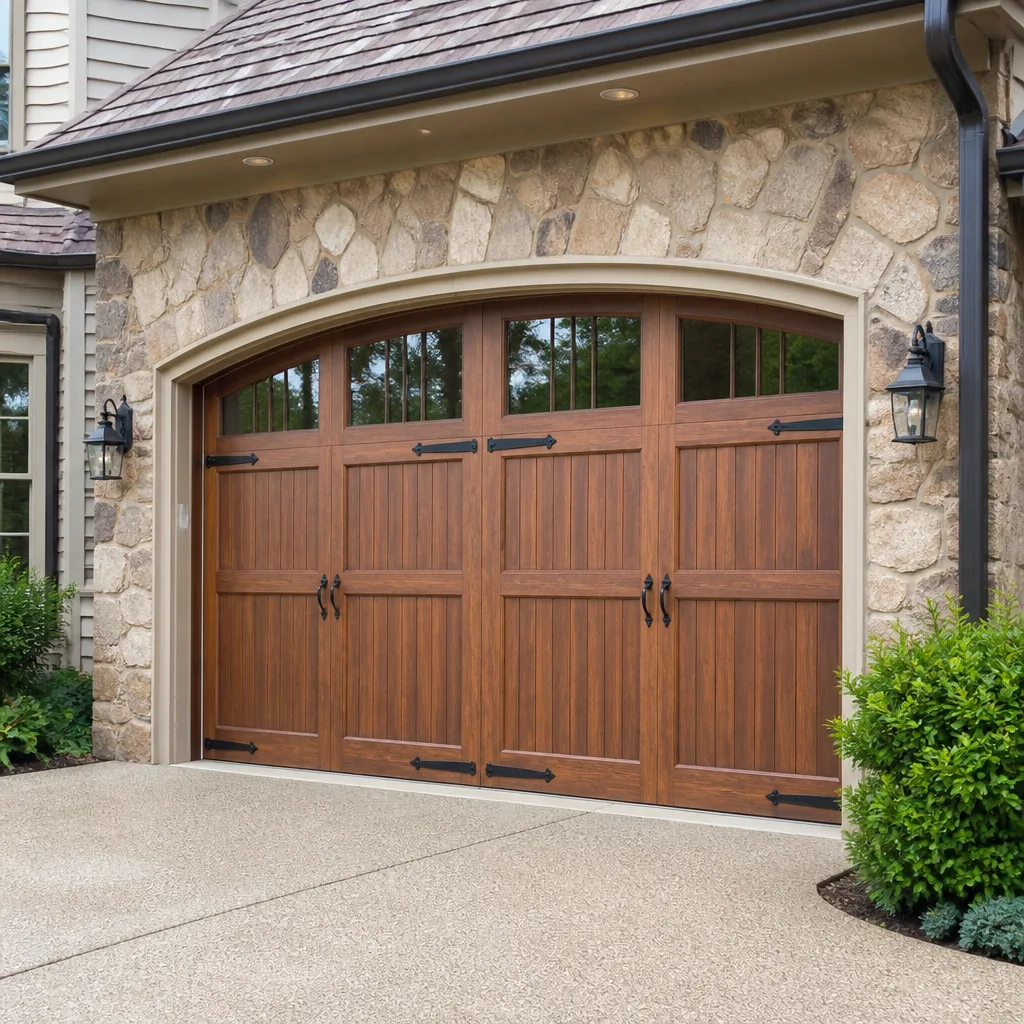 Carriage house
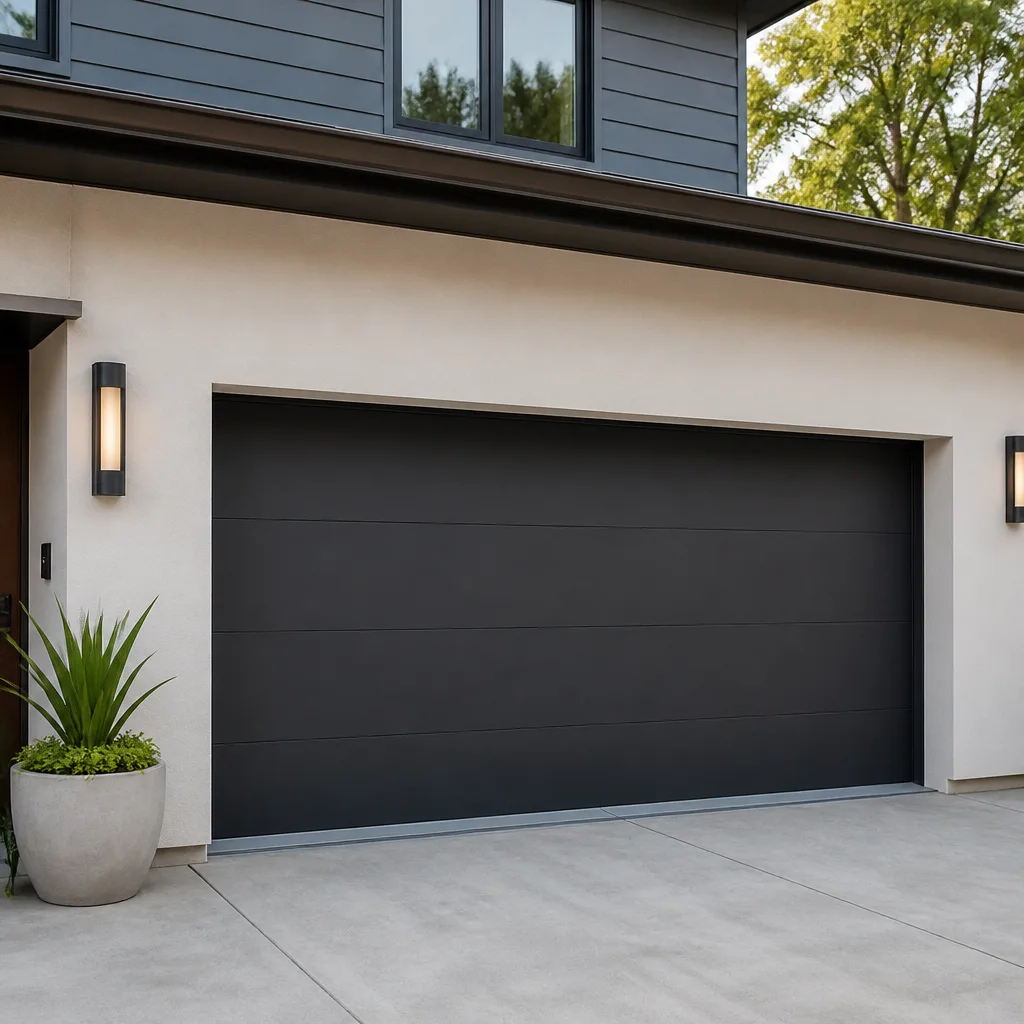 Modern flush
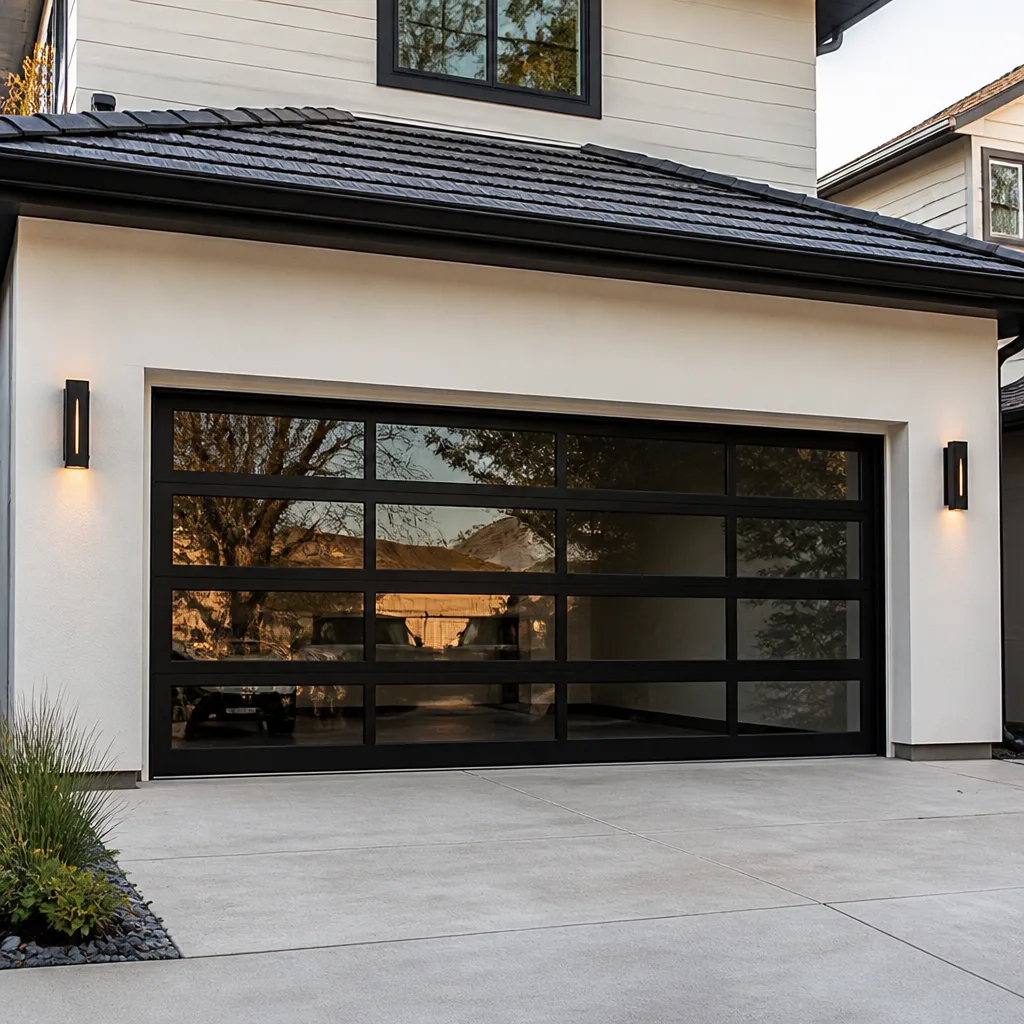 Full-view glass
 LiftMaster openers
 Chamberlain openers
Full 25-point door and opener safety check with every visit - springs, cables, rollers, tracks, and your LiftMaster or Chamberlain opener included
You get a price before we start. It does not change when the truck arrives.
Get your free estimateGarage Door Repair Troubleshooting in Norwalk: Common Problems and How to Fix Them
Most homeowners in Norwalk misdiagnose their garage door problems because they treat what they see: a slow door, a grinding noise, a panel slightly out of line. A garage door has four independent mechanical systems that can fail independently, and confusing which one is broken is why most DIY repairs either don’t work or create a second problem within 30 days. The spring system, the cables and drums, the opener, and the track alignment each produce distinct symptoms. This guide maps those symptoms directly to the subsystem responsible, so the fix you attempt is the fix the door actually needs. Whether you’re in a 1960s rancher near Norwalk Boulevard or a newer build off Imperial Highway, the diagnostic logic is the same: understand the mechanics before you touch anything.
Quick Answer
Garage door repair troubleshooting in Norwalk CA starts with identifying which of four mechanical systems has failed: springs, cables/drums, opener, or track. A door that feels heavy and stops halfway usually points to a broken spring, while a door that jerks or smells of burning plastic points to the opener or cable drum. You can safely test the balance, the force settings, and the photo eyes yourself. You should not attempt spring or cable repair under any circumstances: those systems carry enough stored tension to cause serious injury, and the fix should only be done by a professional garage door company.
Styles & brands we work with
- Raised-panel steel
- Carriage house
- Modern flush
- Full-view glass
- LiftMaster openers
- Chamberlain openers
Table of Contents
- Symptom-to-Subsystem Mapping: Know Which System Failed
- How Norwalk’s Climate Accelerates Specific Failures
- Three Tests You Can Safely Run Before Calling
- Two Tests That Look Safe But Are Not
- Operational Error vs. Mechanical Failure: How to Tell
- Which Repairs Reset Safely With a DIY Fix
- Common Mistakes to Avoid
- When to Call a Professional
Symptom-to-Subsystem Mapping: Know Which System Failed
The fastest way to waste a Saturday afternoon is to replace a part in the wrong system. We break the door into four discrete assemblies. Each one announces itself differently.
- Spring system (torsion or extension): The door feels unusually heavy when you try to lift it manually. It may rise six inches and stop, or slam shut if the opener releases. A loud bang from the garage often precedes the failure but not always. The spring counterbalances the door’s weight, and when it breaks, that job falls entirely to the opener motor and your back.
- Cable and drum assembly: The door tilts to one side or visibly hangs uneven. One cable may look slack while the other is taut. You might hear a snapping sound rather than a bang. Cables route around drums at the top of the door, and when a cable frays or jumps the drum, the lifting force becomes uneven.
- Opener and drive mechanism: The motor runs but the door does not move, or it moves with grinding, chatter, or hesitation. The opener has its own internal gears, sprockets, and a belt or chain. A worn drive gear is a common failure on LiftMaster and Chamberlain openers after years of daily cycles.
- Track and roller alignment: The door binds, squeals, or shudders on the way up, especially in one section. Rollers may visibly wobble or leave the track entirely. Track issues are often secondary: a spring imbalance from months earlier puts lateral load on the rollers, which then wear the track or the hinges.
How do you know which one you have? Start by pulling the red emergency release cord with the door closed. Lift the door manually. If it is heavy or drops when you let go, the spring system is compromised. If it lifts evenly but the opener still strains, the issue is in the opener or the track, not the counterbalance. This one diagnostic step saves you from buying an opener motor when what the door really needs is spring replacement.
How Norwalk’s Climate Accelerates Specific Failures
Norwalk sits in the Los Angeles Basin, where summers run hot and dry and winters are mild. That climate profile does two things to garage door hardware. First, the extended dry season hardens rubber bottom seals and weatherstripping faster than coastal humidity would. A sun-baked seal loses its flex, then tears along the slab, and the gap it leaves lets in dust, leaves, and the occasional spider looking for shade.
Second, the humidity that does arrive, especially during June gloom mornings and occasional winter rains, settles on the metal hardware that has been dry-heated all year. Cables corrode slowly at the drum contact point, where the galvanized coating wears through after thousands of cycles. We see this pattern repeatedly across Norwalk doors: the bottom seal fails from UV and dryness, and the cable fails from intermittent humidity at the top drum. In our experience those two components are the first to go, and the order matters because a failed bottom seal does not affect door operation, while a failing cable does.
There is an opportunity here. Checking the bottom seal and the cable drums twice a year catches wear before it becomes a service call. If the seal has cracked, it is a five-minute fix. If a cable is showing rust bloom or broken strands at the drum, do not touch it. Call a garage door repair technician before the cable snaps under tension.
Three Tests You Can Safely Run Before Calling
You can run three diagnostic tests without specialized tools and without putting yourself in the path of stored tension. These tests narrow the problem down so your call to a technician is precise and your estimate is accurate.
- The balance test. Close the door. Pull the red release handle to disconnect the opener. Lift the door by the handle to waist height and let go. A well-balanced door stays roughly where you left it. If it drops, the spring is weak or broken. If it shoots upward, the spring is overpowered for the door’s weight, which also shortens opener life. Either way the spring system needs professional adjustment.
- The force-settings test. Reconnect the opener. Press the wall button to close the door. Before it reaches the floor, rest the side of your hand on the bottom edge as it descends. A properly set opener should reverse or stop with very light pressure. If it keeps pushing, the down-force setting is too high, and that is a safety issue. Check the up-force as well: the door should reverse if you resist it slightly on the way up. Most openers from Genie, LiftMaster, and Chamberlain have simple dials or digital settings for this.
- The photo-eye test. With the door open, wave a broom handle through the invisible beam between the two photo eyes near the floor. Press the close button. The door should reverse immediately and return to open. If it does not, the eyes are misaligned, the lenses are dirty, or the wiring is loose. This is the single most common cause of a door that refuses to close with the remote, and it is usually a 30-second fix.
The point of these tests is not to fix the door. The point is to give the technician the right information over the phone so the first visit is productive. If you tell us the door fails the balance test, we bring spring equipment. If it only fails the photo-eye test, the fix is likely with the opener and may not require any parts at all.
Two Tests That Look Safe But Are Not
Some diagnostics are best left alone entirely, despite how simple they appear on video tutorials.
- Plucking or pressing on extension springs while the door is open. Extension springs stretch along the horizontal track. They are under maximum tension when the door is closed, not open, but they still carry lethal force at any point in the cycle. A homeowner who taps a spring with a wrench to “see if it feels loose” is putting a hand inches from a stored-energy failure point. If the spring lets go, the cone and cable become projectiles.
- Loosening the torsion spring set screws to “check the winding.” The torsion spring above the door stores energy equal to the full weight of the door. The red winding cone and its set screws are the only things holding that energy. Loosening them without a proper winding bar sequence is the most dangerous action a homeowner can take on a garage door. It is not a diagnostic test. It is an accident waiting for a hand to slip.
We do not describe how to wind or unwind springs on this page for the same reason we do not describe how to stand under a running engine. The information would not make you safe. It would make you confident, and in this trade overconfidence is how people get hurt. If the spring is suspect, the diagnosis is complete: call a professional. Garage door repair in Norwalk is the one service that costs less than the emergency room visit.
Operational Error vs. Mechanical Failure: How to Tell
A garage door that worked yesterday and does not work today is usually not broken. It is usually interrupted. The distinction matters because paying a technician to replace a part that was never defective is a waste of money, and replacing the right part yourself on the wrong diagnosis creates a second failure.
Start with power. Push the wall button. If the door works from the wall button but not from the remote or keypad, the opener is fine. The issue is the remote battery, the keypad code, or the opener’s receiver logic. Replace the batteries in the remote first. If that fails, clear and reprogram the remote using the learn button on the opener. Chamberlain and LiftMaster units have used the same basic learn-button process since the 1990s, and it is a two-minute job that requires no tools.
If the wall button does nothing but the opener hums, check for a tripped circuit breaker or a GFCI outlet that has popped. Many garages in Norwalk have the opener on the same circuit as the garage’s other outlets, and a faulty charger or a power strip can trip it. Reset the GFCI, then try again.
If the door closes and immediately reverses, especially when there is nothing in the way, check the photo eyes. A cobweb across the lens in a Norwalk garage can scatter the beam enough to make the opener think a child’s bike is in the path. Wipe both lenses with a dry cloth and realign them so the small indicator lights on both eyes are steady, not blinking.
Now consider the mechanical side. A worn gear, broken sprocket, or stripped belt is not an operational error. Those failures happen gradually and announce themselves with grinding or slippage first. A door that has been getting louder for six months and now refuses to move is not a remote battery. It is a drive mechanism that has reached the end of its service life. Genie, Chamberlain, and garage door opener repair specialists see this constantly: the homeowner replaces two remotes before accepting that the opener itself has failed.
Which Repairs Reset Safely With a DIY Fix
Some repairs are genuinely appropriate for a careful homeowner with basic tools. We are not going to pretend every service requires a technician, and we say so plainly.
- Remote and keypad reprogramming. If the opener runs from the wall console, the fix is a new battery or a reprogram sequence. LiftMaster, Genie, and Chamberlain all publish their reprogramming steps online, and none of it involves touching the door mechanism.
- Photo-eye realignment and cleaning. Loosen the wing nut on the bracket, level the sensor so the indicator light goes steady, and wipe the lens. This solves a large share of “the door won’t close” calls without any parts.
- Bottom seal replacement. The rubber U-shaped seal on the bottom of the door slides out of the aluminum retainer, and a new one slides in. It is a ten-minute job with silicone lubricant and patience, and it makes the garage measurably cleaner and quieter.
- Track cleaning and roller lubrication. Wipe the vertical and horizontal tracks with a clean rag to remove caked dust and cobwebs. Spray a dry silicone lubricant on the rollers, hinges, and the torsion spring coil (not the bearings, and not WD-40, which attracts grime). Do this twice a year and the door will run more quietly and wear more evenly.
What never resets safely with a DIY fix: spring replacement, cable repair, drum adjustment, and any repair involving the torsion tube above the door. Those systems fail under tension, and the injury risk is documented and real. A spring pair replacement is the most common repair we do in Norwalk, and every spring we replace comes off a door that was carrying dangerous stored energy. The job looks simple because the technician makes it look simple. It is not.
Common Mistakes to Avoid
- Lubricating the track to stop a squeak. The rollers ride on the track, and lubricant on the track face just turns dust into grinding paste. Lubricate the rollers themselves, not the surface they roll on. A squeaking door in Norwalk is usually a dry roller bearing, and the fix is one drop of silicone on each roller.
- Replacing one spring when both are the same age. Springs are typically installed as a matched pair. If one breaks after 10,000 cycles, the other is at 10,000 cycles too. Replacing only the broken one saves money today and costs another service call within months. Replace the pair.
- Oiling the spring to “loosen it up.” Torsion springs do not need lubrication to function safely. A light silicone spray on the coil is fine for corrosion protection, but soaking the spring in grease, oil, or penetrating fluid does nothing for balance and makes a mess of the garage floor.
- Ignoring a door that has gotten louder over several months. Gradual noise is data. A door that used to be quiet and now grinds on every cycle is telling you the drive gear, roller bearings, or hinges are wearing. Waiting for a loud failure just means the repair happens at 7am on a Monday instead of a scheduled Tuesday visit.
- Running the opener with the door locked. The manual slide lock on the inside of the door is easy to forget. If the opener strains against the lock, it can strip the drive gear or burn the motor in seconds. If the door stalls immediately and the motor keeps running, check the lock before anything else.
- Assuming the door is “fixed” because it moved once. A broken spring, frayed cable, or stripped gear can sometimes move the door one last time before failing completely. If the door moved but sounded wrong, keep it closed and schedule the diagnosis. Do not test it repeatedly from the car.
When to Call a Professional
Call a professional when the spring has broken, when a cable has jumped or frayed, when the door hangs uneven, or when the opener motor runs but the door does not move. These failures involve stored tension or drive components that are best handled with the right tools and training. It is never worth testing your luck against a wound torsion spring.
Call when you have diagnosed the problem yourself and want confirmation. We are happy to work from the tests you have already run. In fact, it makes the call faster. A homeowner who says “the door fails the balance test and the photo eyes are steady” just saved 20 minutes of diagnosis.
Garage Door Service Norwalk offers free estimates in Norwalk. Call (833) 589-9971 for a same-day diagnosis on most repair issues. We answer 24/7. Fast dispatch from 7am to 7pm, Sunday through Friday. The written estimate sets the price before any work begins, and there is no surprise invoice after the fact.
See the difference
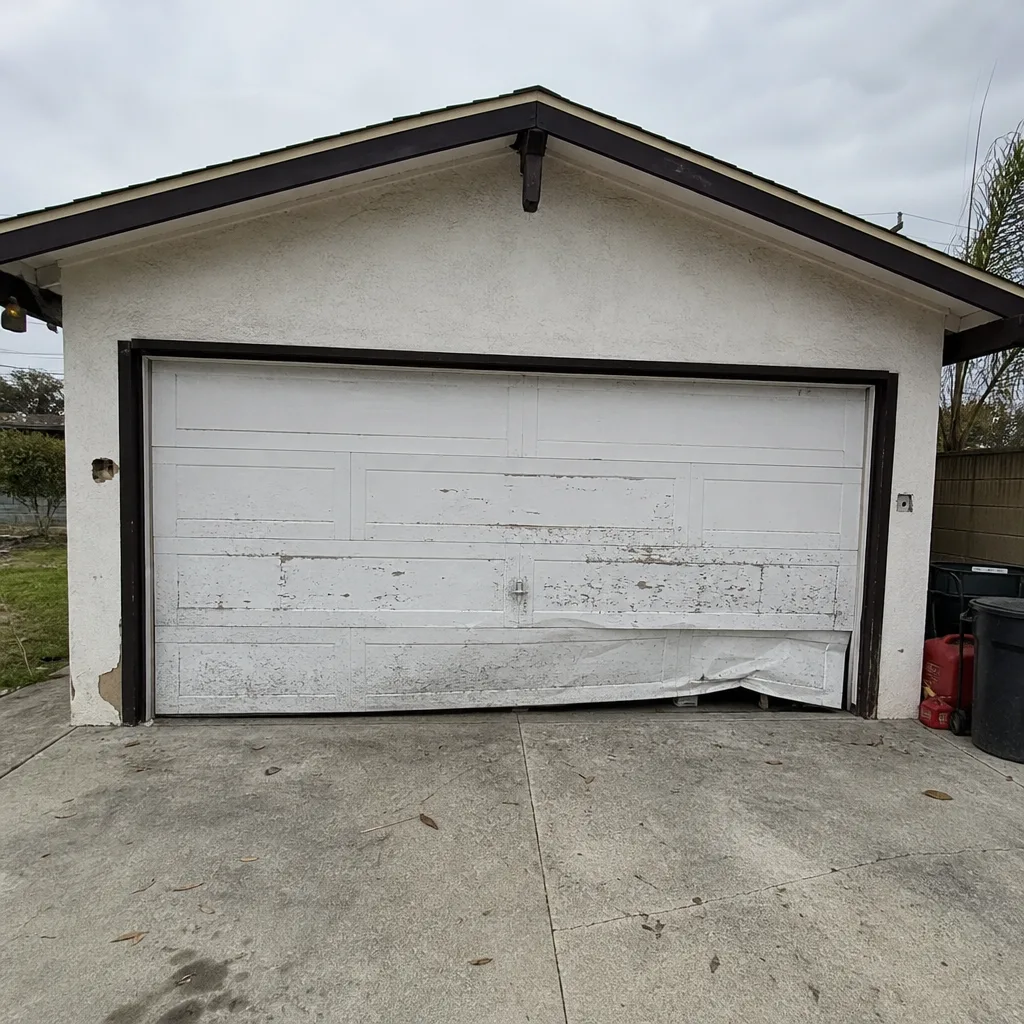 Before
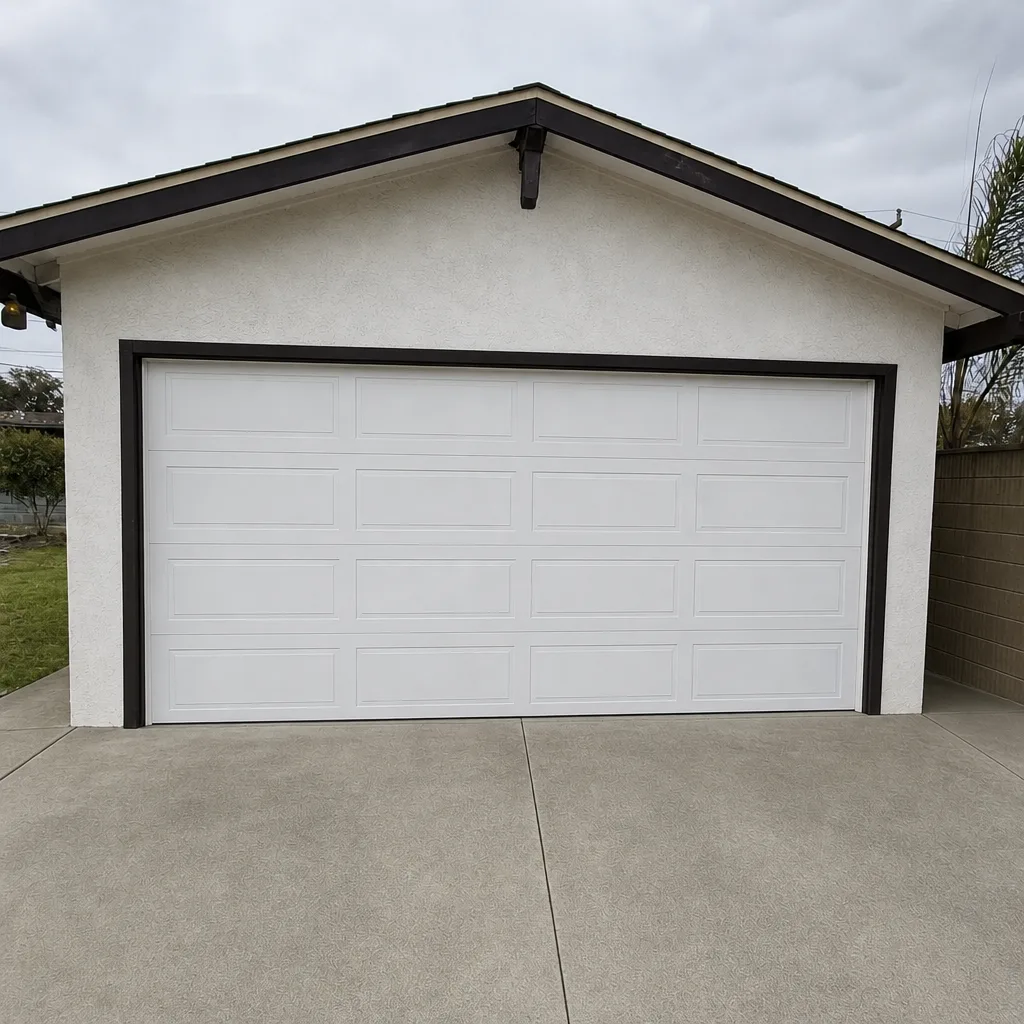 After
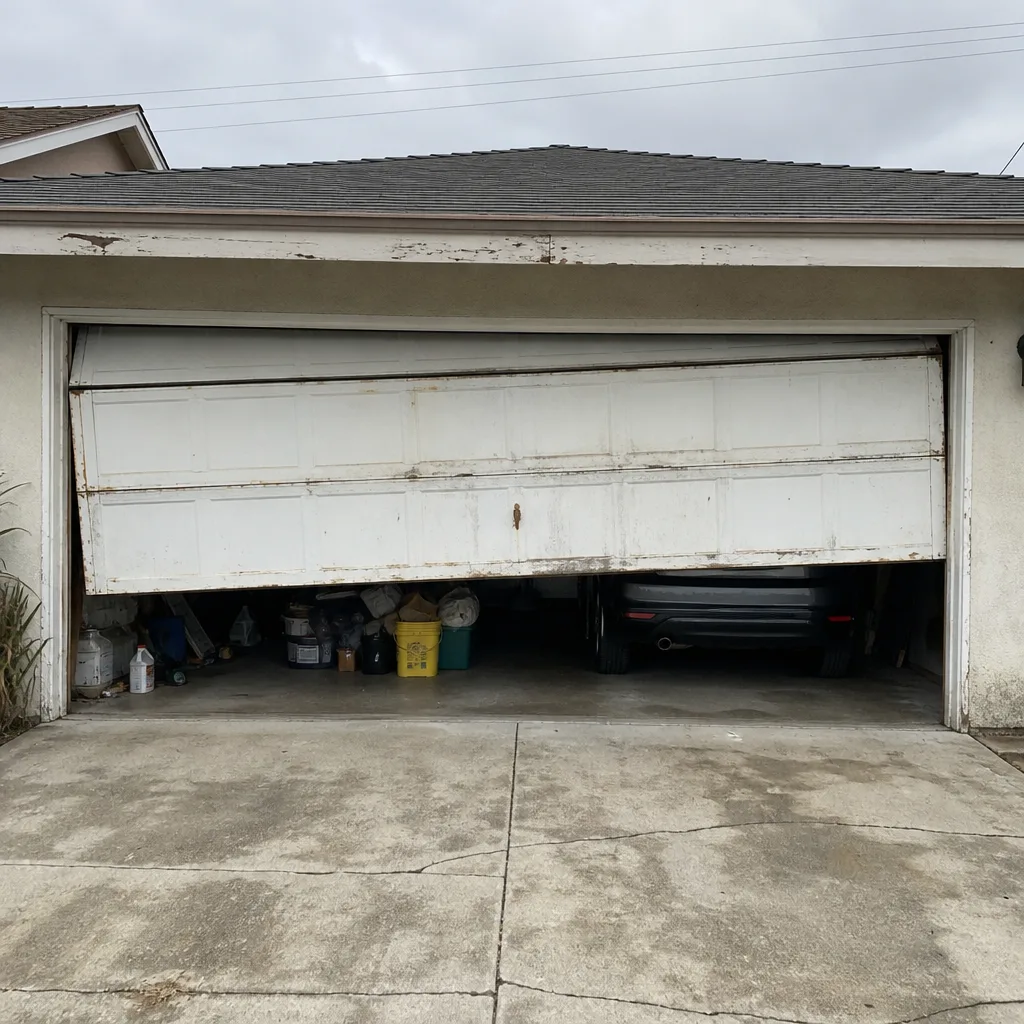 Before
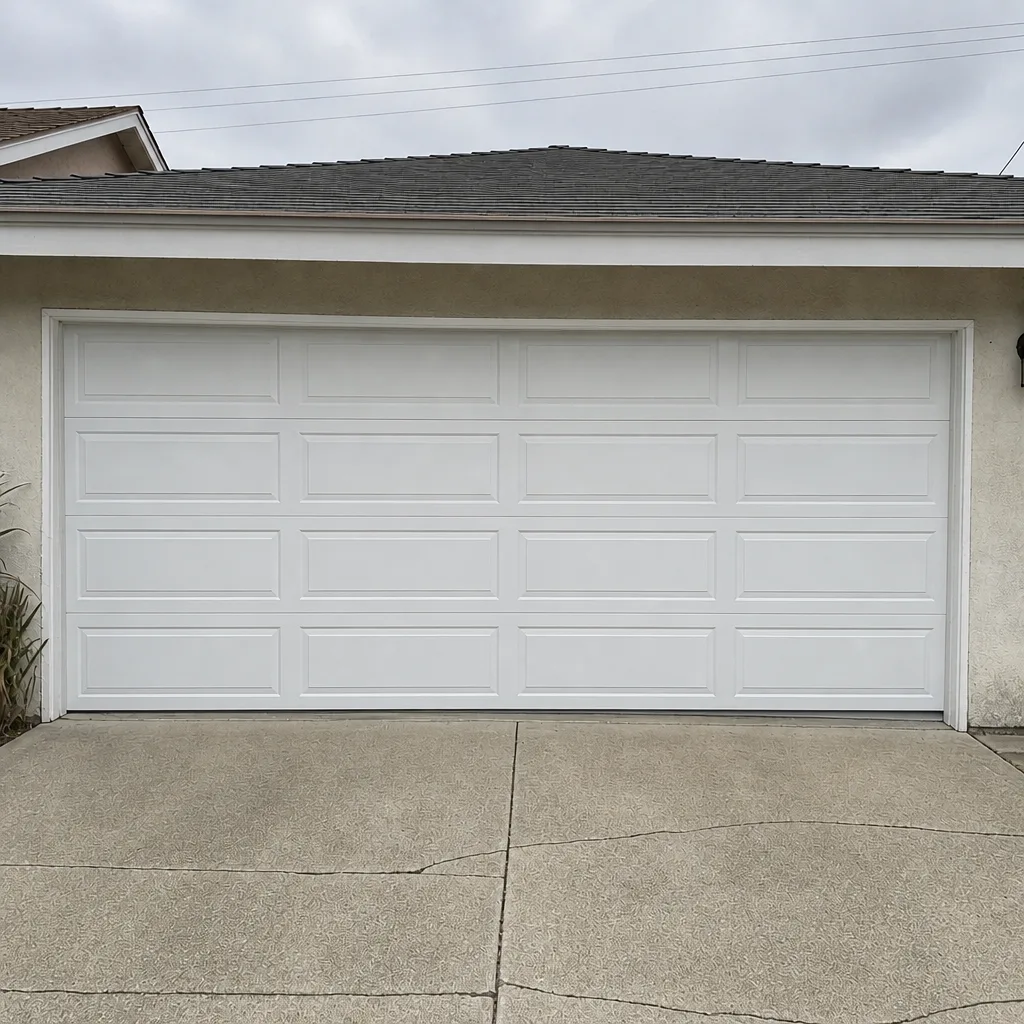 After
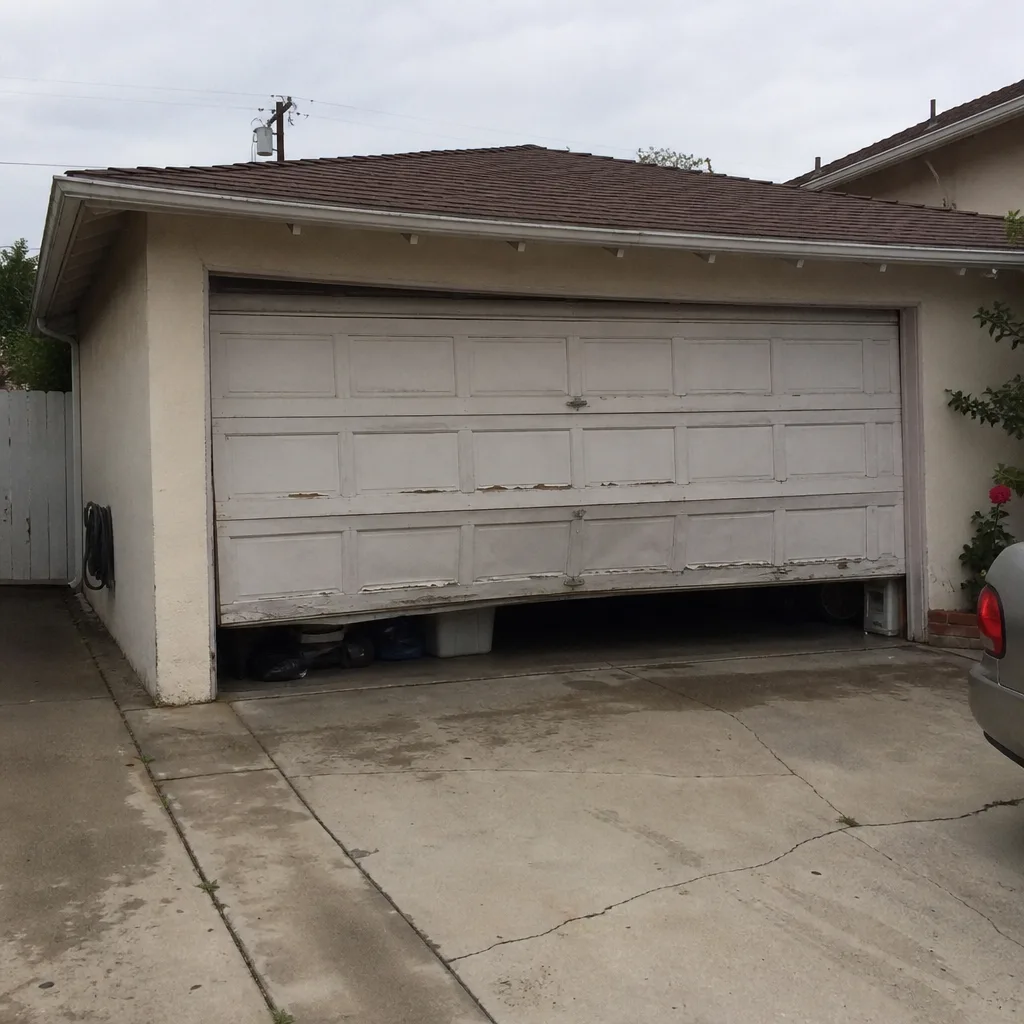 Before
 After
Frequently Asked Questions
Spring replacement in Norwalk typically runs $180 to $340 for a single spring and roughly double that for a matched pair, which is what most doors need when one spring has failed. The price varies by door weight, spring size, and whether the spring is torsion or extension. Call (833) 589-9971 for an exact written quote. Estimates are free.
Yes, most repair visits in Norwalk are completed the same day the call comes in. We answer 24/7. Fast dispatch from 7am to 7pm, Sunday through Friday, and the truck carries the springs, cables, rollers, and opener parts needed for the majority of residential failures. Call (833) 589-9971 and describe the symptom for a realistic arrival window.
No. The price is quoted and agreed before any work begins. If the technician finds a second problem during the repair, that work is quoted separately and only done with your approval. The written estimate sets the final price, and there is no surprise upcharge.
Yes. We work on all three brands, along with Raynor, and carry the common replacement parts for their drive systems on board. That means opener diagnosis and repair is often done in one visit, not ordered and scheduled for a second trip.
That is almost always the photo-eye safety beam or the down-force setting. Check for dust, cobwebs, or misalignment at the two small sensors near the floor, and confirm both indicator lights are steady. If the beam is clear and the door still reverses, the down-force may be set too low or the limit controls may need adjustment. Call (833) 589-9971 if the problem persists after cleaning the lenses.
Most cities require a permit for structural changes and full door replacements, so ask Norwalk’s building department about your specific project. A spring or cable repair does not typically require a permit since it is not a structural modification. The office can tell you what applies to your address.
The Bottom Line
A garage door has four systems that fail independently, and the repair that fixes one will not fix the other three. Run the balance test, the force-settings test, and the photo-eye test before you call. Those three checks answer the most common Norwalk service questions without touching anything dangerous. Leave springs, cables, and drum adjustments to a professional every time, and do not confuse a dead remote battery with a dead opener. When the diagnosis is clear and the repair is mechanical, call (833) 589-9971. We answer 24/7. Fast dispatch from 7am to 7pm, Sunday through Friday. The estimate is free, the price is written before work starts, and the technician knows the brand on your door and the one on your opener.
Written by the team at Garage Door Service Norwalk, serving Norwalk since 2014.