
Last updated November 4, 2026
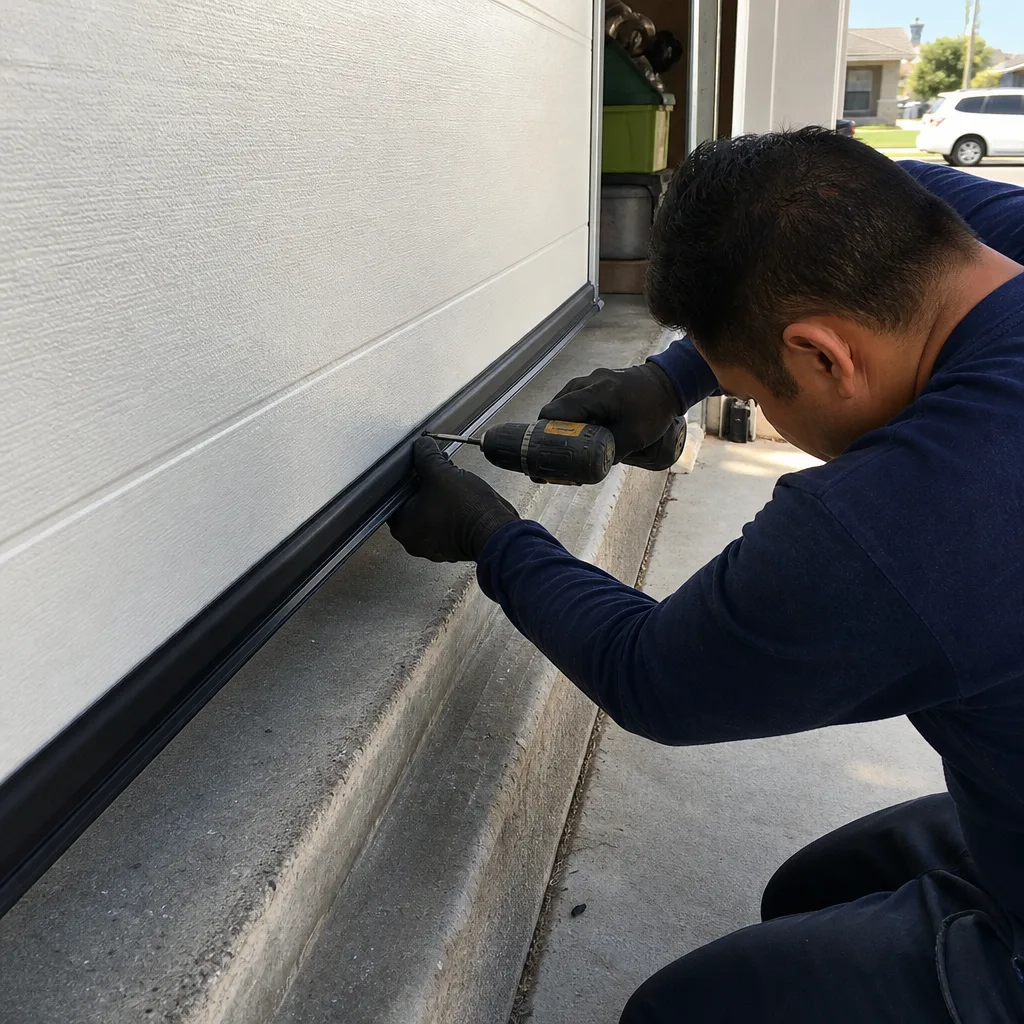
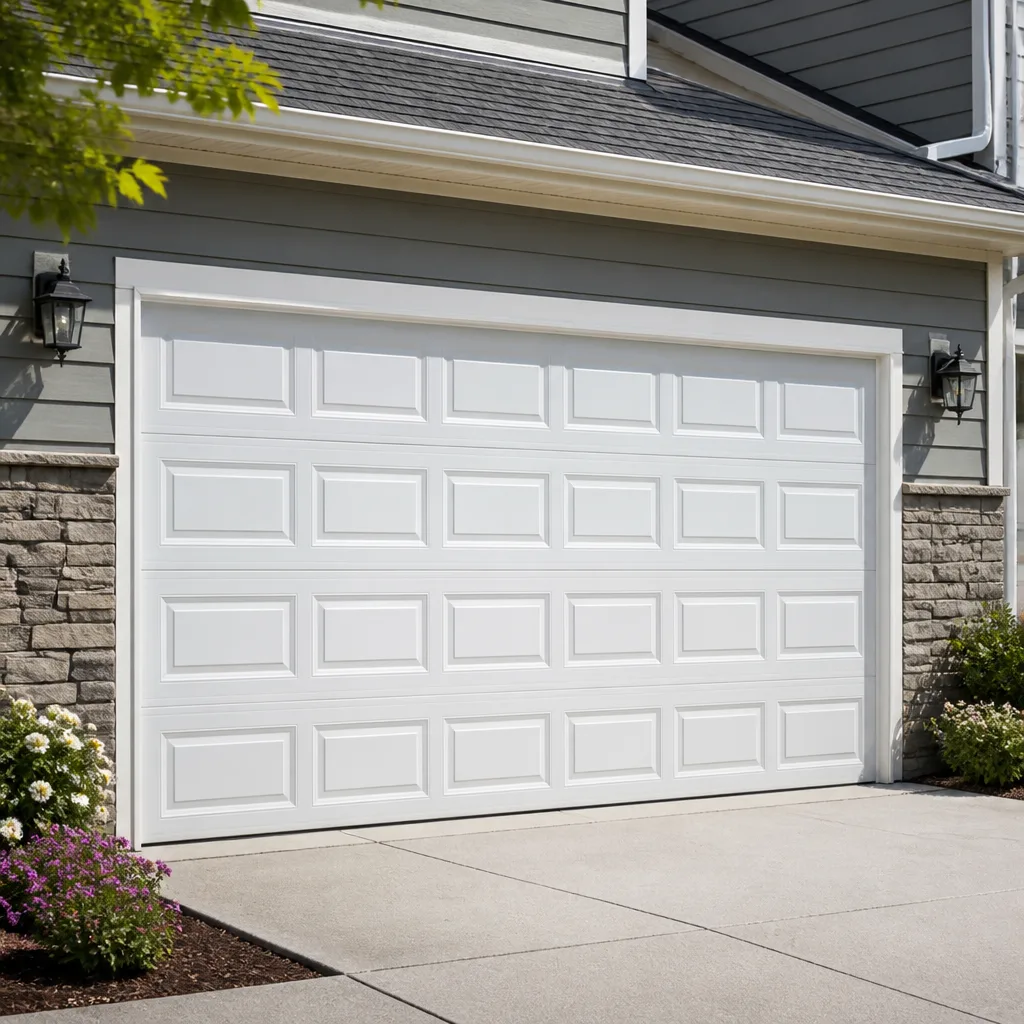 Raised-panel steel
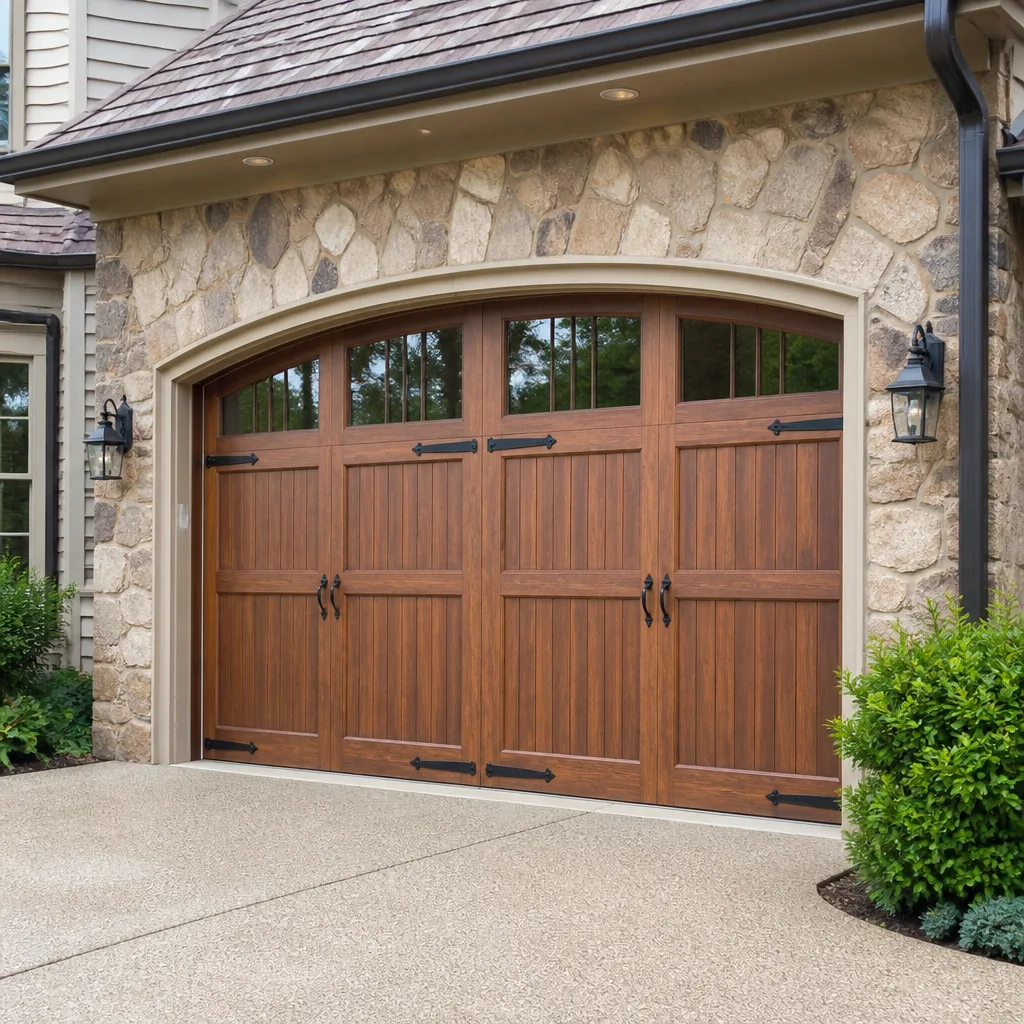 Carriage house
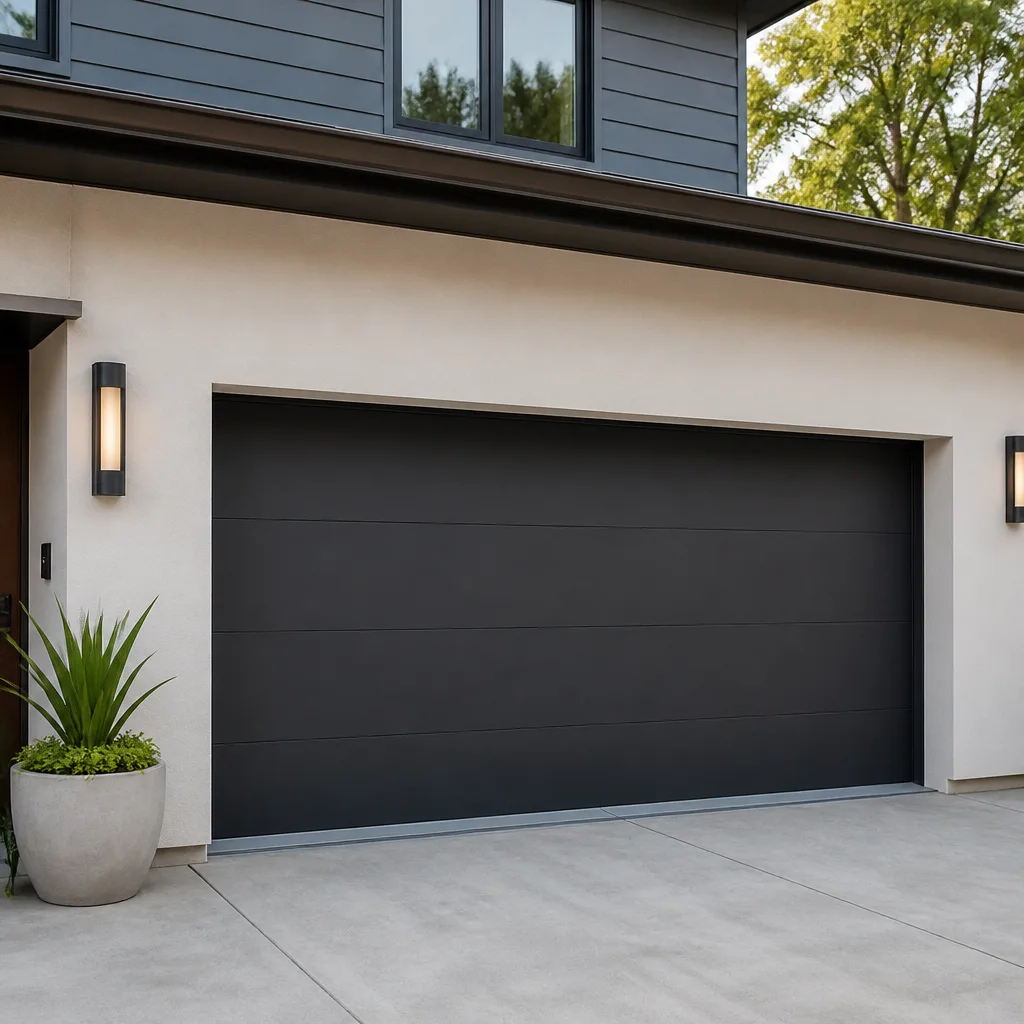 Modern flush
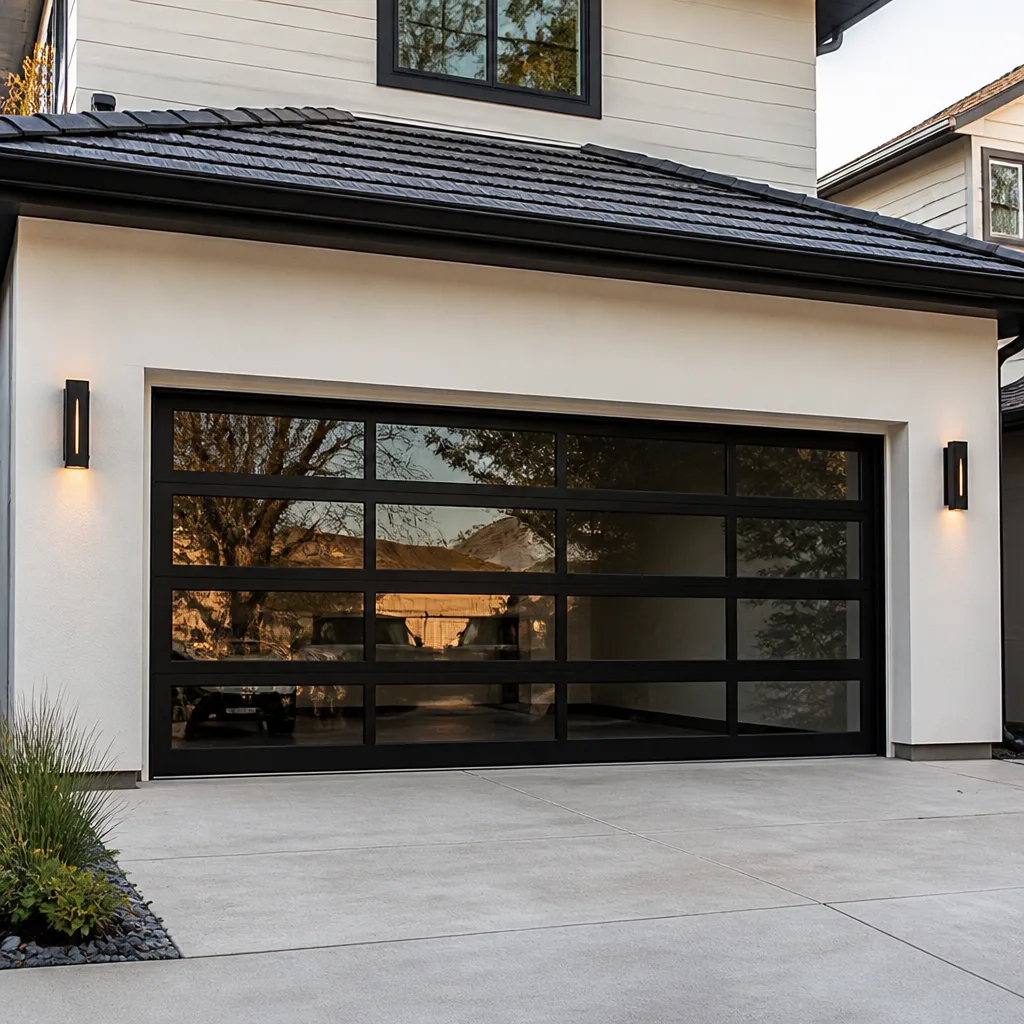 Full-view glass
 LiftMaster openers
 Chamberlain openers
Full 25-point door and opener safety check with every visit - springs, cables, rollers, tracks, and your LiftMaster or Chamberlain opener included
You get a price before we start. It does not change when the truck arrives.
Get your free estimateGarage Door Warning Signs: A Norwalk Homeowner’s Reference Guide
Most homeowners call and say “it’s making a noise.” That’s the whole description. But a grinding sound at the start of the cycle, mid-cycle, and at close are three different mechanical problems with three different repair costs and urgency levels. The same is true for shaking, hesitation, and visible wear. This guide maps specific symptoms to specific components so you can describe the problem accurately when you call, and know whether you’re looking at a next-month fix or something that requires stopping the door today. If you live in Norwalk and your garage door is your primary entry point, this reference belongs on your phone.
Quick Answer
A garage door warning sign is any sound, movement, or visual cue that indicates a specific component is failing. The five signs that mean stop using the door immediately are: a visibly broken or stretched spring, a frayed or separated cable, the door dropping or slamming when released from the opener, a loud bang followed by the door refusing to move, and any gap between the door panels and the track. Other symptoms like occasional grinding, slow response, or minor wobble allow a short repair window but should not be ignored. In Norwalk, where most homes use the garage daily, early diagnosis is cheaper than emergency garage door repair.
Styles & brands we work with
- Raised-panel steel
- Carriage house
- Modern flush
- Full-view glass
- LiftMaster openers
- Chamberlain openers
Table of Contents
- The Symptom-to-Component Diagnostic Matrix
- Five Signs That Mean Stop Using the Door Today
- Signs That Allow a Short Repair Window
- What Noises Actually Mean: An Audio Guide
- Why Intermittent Problems Are Often More Serious
- Normal Aging Sounds Versus Imminent Failure
- How to Differentiate Cosmetic Issues from Structural Hazards Without Tools
- Common Mistakes to Avoid
- When to Call a Professional
The Symptom-to-Component Diagnostic Matrix
Before we get into specific warning signs, let’s establish the core framework. A garage door system has five main component groups: springs, cables, rollers, tracks, and the opener. Each fails in a distinct way. Here is the symptom-to-component map that most reference guides skip:
Springs
- Symptom: Door is heavy, won’t lift without the opener straining, or opener motor runs but door stays down. Component: Torsion or extension spring broken or fatigued.
- Symptom: Visible gap in a torsion spring coil above the door. Component: Broken spring. Stop using the door.
- Symptom: Loud bang from the garage while the door is closed. Component: Spring snapped. Stop using the door.
Cables
- Symptom: Door hangs crooked, one side lower than the other. Component: Cable slipped, frayed, or snapped.
- Symptom: Visible fraying or loose strands near the bottom bracket. Component: Cable wearing through. Replace before it snaps.
- Symptom: Door jerks or pops while moving. Component: Cable catching on a worn drum.
Rollers
- Symptom: Grinding or metal-on-metal scraping that changes pitch as the door moves. Component: Roller bearings worn or seized.
- Symptom: Door wobbles side to side while moving. Component: Worn or broken roller.
- Symptom: Squealing that stops when the door stops. Component: Roller needing lubrication or replacement.
Tracks
- Symptom: Door shudders at a specific point in the cycle. Component: Bent or misaligned track.
- Symptom: Visible gap between a roller and the track. Component: Track spread or roller worn.
- Symptom: Door sticks or resists at the same spot every time. Component: Track obstruction or bend.
Opener
- Symptom: Motor runs, chain or belt does not move. Component: Opener gear stripped or coupler broken.
- Symptom: Door reverses for no reason, safety sensors clean and aligned. Component: Opener logic board or force setting.
- Symptom: Intermittent no-response from wall button or remote. Component: Opener receiver, wiring, or capacitor.
This is exactly how a technician assesses a door, and it’s how we diagnose when you call Garage Door Service Norwalk. The more specific you can be about when the sound happens and what the door does, the fewer visits and misdiagnoses you’ll pay for.
Five Signs That Mean Stop Using the Door Today
These are not “keep an eye on it” situations. These are “your garage door is the largest moving part of your home and one of these failing components can bring a door down” situations. If you see or hear any of these in Norwalk, leave the door alone and call us.
- A visible gap in a torsion spring. Torsion springs sit horizontally above the closed door. When one breaks, you’ll see a separation in the coil, often near the center bracket. The door still has one working spring, which can hold the tension just enough to fool you into using it. Don’t. The remaining spring is carrying double its rated load.
- Frayed or separated cables. The cables run vertically along each side of the door. If you see loose strands, a kink, or a cable hanging slack while the door is down, the cable is no longer doing its job. A cable snapping under tension releases stored energy and the door drops on that side in an instant.
- The door drops or slams when you pull the release cord. A balanced door should stay put or drift very slowly when released from the opener. If it falls, a spring has failed or lost tension. This is a test you can do yourself: pull the release cord while the door is closed, then try to lift the door by hand. If you can’t lift it, or it slams down when you let go, do not reconnect the opener until a spring is replaced.
- A loud bang from the garage while the door is closed. That’s a spring snapping. It can sound like a car backfiring or a hammer hitting metal. The door will not work after this, but some homeowners try to force it up by hand. Don’t.
- The door is off its rollers or track. If a roller has popped out or the door is visibly leaning into the garage, the system’s geometry has failed. Continuing to run the opener will bend the track further, damage panels, and put strain on the remaining hardware.
In our experience, the common thread through all five is that the homeowner felt something was off for weeks before the failure. The grinding, the slight shake, the hesitation at a certain spot. These were the early warning signs. The failure was just when the worn component finally gave way.
Signs That Allow a Short Repair Window
Not every warning sign is an emergency. Some allow you to schedule a repair during normal hours without risking your safety or your door. Here’s what can typically wait a week or two:
- Occasional grinding or scraping that comes and goes. This often points to rollers that need replacement or adjustment. The sound is annoying, and it will get worse, but it’s not an imminent failure.
- Slow response from the opener. If the door hesitates a second or two after you press the button, the opener’s logic board or capacitor may be aging. Not urgent, but worth diagnosing before a full failure.
- Visible rust or wear on hardware that still moves smoothly. Surface rust on hinges or brackets is cosmetic and common in Norwalk’s dry climate. It doesn’t require immediate action, though it should be watched.
- A slight wobble while moving. If the door moves but has a little side-to-side play, the rollers are likely wearing. Replacement is straightforward typically and doesn’t require full door disassembly.
- Weather stripping coming loose or flattened. This is an easy fix and mostly affects dust and heat intrusion, not the door’s mechanical function. In Norwalk’s dry, hot summers, worn stripping lets more dust into the garage and more air-conditioned air out, so it’s worth doing sooner than later.
What you’re looking for here is whether the problem is constant or intermittent, and whether the door still does its job without extra strain. If the door is just noisy but opens and closes smoothly, you can usually schedule a repair at your convenience. If it’s straining, jerking, or hanging crooked, read the section above again.
What Noises Actually Mean: An Audio Guide
Because most warning signs start as sounds, let’s get specific. Here are the noises we hear described by homeowners in Norwalk, and what each one points to. Using precise audio descriptions helps your technician start the diagnosis before they arrive.
Grinding
Grinding is metal chewing on metal. It means a bearing has failed or is failing. Rollers are the most common source: when the bearing inside a roller seizes, the wheel stops spinning and slides along the track, grinding flat spots. A grinding sound at the start of the cycle often points to the opener’s drive gear. Mid-cycle grinding is usually a roller. Grinding near the close position can be a track or hinge issue. Where in the cycle the sound occurs is the most useful detail you can give us.
Squealing
Squealing is friction without metal-on-metal damage. It’s usually a roller spinning on a dry bearing or a dry hinge. It can also come from a nylon roller that’s worn down to its core. Squealing often stops when the door stops moving, because the friction stops. It’s a maintenance signal, not usually a safety signal.
Rumbling
A low rumble that vibrates through the ceiling is the opener’s motor working harder than it should. It can mean the door’s balance is off, the spring has lost tension, or the opener itself is nearing the end of its service life. Think of it as the opener complaining. A properly balanced door should let the opener do almost no heavy lifting. If you hear rumbling and the door feels heavy when you lift it by hand, the problem is usually a spring, not the opener.
Banging or Popping
A sudden bang while the door is closed is almost always a spring snapping. A rhythmic pop while the door moves is usually a cable catching and releasing on a drum. The two sound similar in some cases, but a spring snap is a single loud event. A popping cable repeats with each section of the door’s travel. Either way, stop using the door.
Rattling
Rattling is loose hardware. It could be a loose hinge bolt, a loose track bracket, or a roller that has too much play in the track. It’s common in older doors and is usually a quick fix. The concern is when rattling turns into something else. A door that rattles because a bracket is loose is also a door that’s transferring vibration into the track, and over time that can bend the track or loosen other fasteners.
Why Intermittent Problems Are Often More Serious
Here’s the counterintuitive part that saves Norwalk homeowners real money: a door that fails occasionally is frequently in worse shape than a door that fails consistently. Consistent failures usually mean a single, identifiable component has broken. Intermittent failures mean something is degrading but hasn’t fully let go yet, and while it’s doing that, it’s loading other components abnormally.
Take an opener that reverses for no reason twice a week. The force sensors are detecting resistance, stopping the door, and reversing it as a safety measure. What’s creating the resistance? Could be a roller binding, a track slightly out of alignment, or a spring losing tension and making the door heavier in one section of travel. The opener is doing its job, protecting the door from damage. But the underlying problem is progressing. By the time the door fails fully, you might have a broken spring, a bent track, and a burned-out opener motor. Three repairs instead of one.
Similarly, a door that grinds occasionally is usually a roller with a flat spot. The flat spot only contacts the track at one point in the roller’s rotation. When the flat spot is touching, it grinds. When the roller rolls to a round section, the sound disappears. The roller is eating the track, and the track is eating the roller. It’s not fixing itself.
The principle: intermittent problems are almost never “nothing.” They’re a component at the edge of its service life, and the system is compensating until it can’t. Diagnosing an intermittent problem early is cheaper than diagnosing the cascade failure it causes.
Normal Aging Sounds Versus Imminent Failure
All garage doors make some sound. Here’s how to tell the difference between a door that’s just getting older and a door that’s about to leave you stuck in Norwalk.
Normal aging sounds: A low consistent hum from the opener while it runs. A soft creak from hinges on a door that’s over ten years old. A slight rattle from a door with metal rollers on a track with normal clearance. These sounds are steady, predictable, and don’t change from week to week. You can practically set your watch by them.
Imminent failure sounds: Any sound that is new, getting louder, or changing pitch. A grinding sound that wasn’t there last month. A popping that’s becoming more frequent. A rumble that’s deeper than it used to be. A squeal that’s now a shriek. The rule of thumb: if you notice the sound, and it’s different from what the door has always sounded like, it’s telling you something. Aging is gradual. Failure announces itself with change.
One distinction that helps: you can usually identify an aging sound with the door open and the opener disconnected, moving the door by hand slowly. You’ll hear the creak or rattle at low speed, and it won’t sound threatening. A failing component sounds wrong even at low speed. It grinds, scrapes, or catches. If you can hear a difference between the two with the door moving slowly, you have a much better idea of what you’re dealing with.
How to Differentiate Cosmetic Issues from Structural Hazards Without Tools
You don’t need a toolbox to assess most garage door problems. You need your eyes and ears, and a few minutes of focused observation. Here’s a simple observational process:
- Look at the springs. Door closed, stand inside the garage. A torsion spring above the door should be one continuous coil. Any gap means it’s broken. An extension spring above the horizontal track on each side should be in one piece. If you see a gap or dangling section, it’s broken. Both are stop-using-the-door situations.
- Look at the cables. Both sides should be taut when the door is down. If one side has slack or visible fraying, the cable is failing. Look especially at the bottom bracket where the cable attaches. That’s where fraying starts.
- Look at the rollers. Rollers sit in the track at each hinge. Worn rollers may look flattened on one side instead of round. Metal rollers may show visible wear. Nylon rollers may be cracked or have a shiny flat spot.
- Look at the track. The track should be a consistent distance from the edge of the door. Any bowing, bending, or visible gap means the door is out of alignment. Run your eye along the track from bottom to top. A properly aligned track is smooth and parallel to the door edge.
- Test the balance. Pull the release cord while the door is closed, then lift the door by hand to waist height and let go. A balanced door stays where you left it or drifts very slowly. If it slams down, the springs are weak or broken. If it flies up, the springs are over-tensioned. Both need adjustment. Do this test carefully, with your feet clear of the door’s path.
Cosmetic issues are things like peeling paint, surface rust, dented panels, or weathered weather stripping. They affect appearance and maybe efficiency, but not safety. Structural issues are anything involving the springs, cables, or track geometry. Those are the ones that cause injuries and property damage. When in doubt, treat it as structural.
For Genie, Clopay, Amarr, and Wayne Dalton systems, the same observational checklist applies. The components may look slightly different by brand, but a broken spring on a Clopay door and a broken spring on a Wayne Dalton door are both gap-in-the-coil failures. The difference is in replacement parts and torque specs, which is where brand-matched knowledge matters. A generic replacement spring is not a universal fix.
Common Mistakes to Avoid
Here are the specific mistakes we see homeowners make in Norwalk when a door starts acting up, and what to do instead:
- Continuing to use a door with a visible spring gap. The remaining spring is carrying double its designed load. That’s not a door that might fail, it’s a door that’s actively weakening with every cycle. Stop using it, disconnect the opener, and call us.
- Lubricating a grinding noise. Grinding is not a lubrication problem. It’s a bearing or surface failure. Lubricant will quiet it temporarily and mask the real issue while the component wears through. If the sound is truly grinding, the part needs replacement, not spray lubricant.
- Releasing the door from the opener and then forcing it open by hand. The door is heavy. A typical sectional garage door weighs 150 to 250 pounds. If the springs are broken, that’s the weight you’re lifting. Forcing the door can also bend the track and panels, doubling the repair.
- Re-engaging the opener after a balance test that failed. If the door slammed down when you released it, reconnecting the opener means the opener now has to lift a door with no spring assistance. It won’t, and running it will strip the opener’s gear or burn the motor.
- Waiting for an intermittent problem to become consistent before calling. As covered above, intermittent problems cause secondary damage while you wait. The door that sometimes grinds and sometimes doesn’t is wearing two components, not one. Schedule a diagnosis while it’s still occurring occasionally. The technician can often reproduce the problem and fix it then, for less than the eventual failure will cost.
- Replacing the opener without checking the door’s balance. When a door is heavy because of a weak spring, the opener fails. Many homeowners replace the opener, and the new opener fails within a year. The problem was never the opener. It was the spring. A balance test before any opener purchase tells you which one actually failed. This is a distinction that separates a dedicated garage door specialist from a generalist: we check the whole system, including garage door opener repair, before suggesting replacements.
- Painting over rust on hardware without inspecting it. Surface rust is cosmetic. Rust that has pitted or thinned a hinge or bracket is structural. Painting it makes the damage harder to see. If the rust has any depth, replacing the part is safer than hiding it.
When to Call a Professional
If the springs, cables, or track are involved in any way, call a professional. The springs are under high tension, and the cables carry that tension to the door. That’s not a safe do-it-yourself repair for anyone who hasn’t been trained and doesn’t have the proper winding bars and experience. The risk of serious injury is real. If the door is off balance, off track, or making a grinding sound that gets worse, that’s also a professional diagnosis. You can observe, test, and infer from this guide, but actual repair on the tensioned components should be left to someone who does this every day. Garage Door Service Norwalk offers free estimates in Norwalk. Call (833) 589-9971. We answer 24/7. Fast dispatch from 7am to 7pm, Sunday through Friday.
See the difference
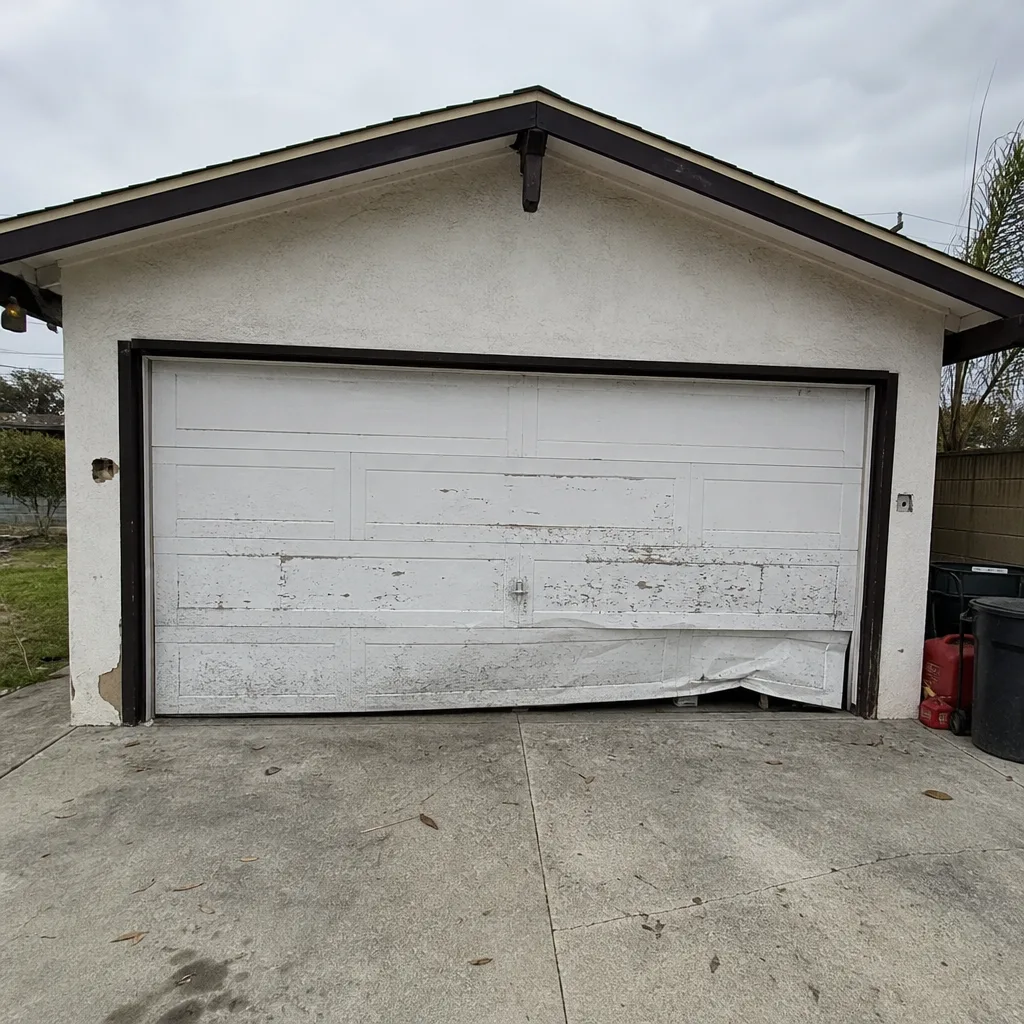 Before
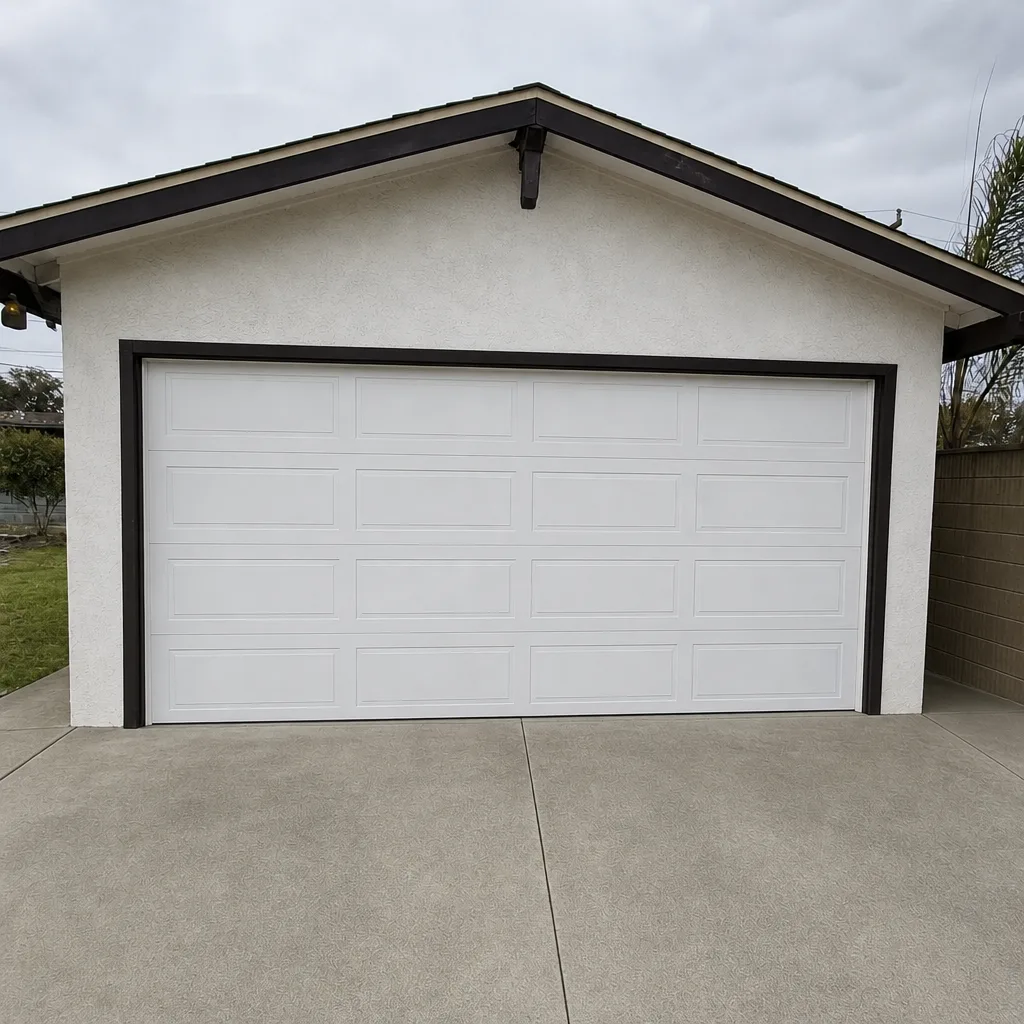 After
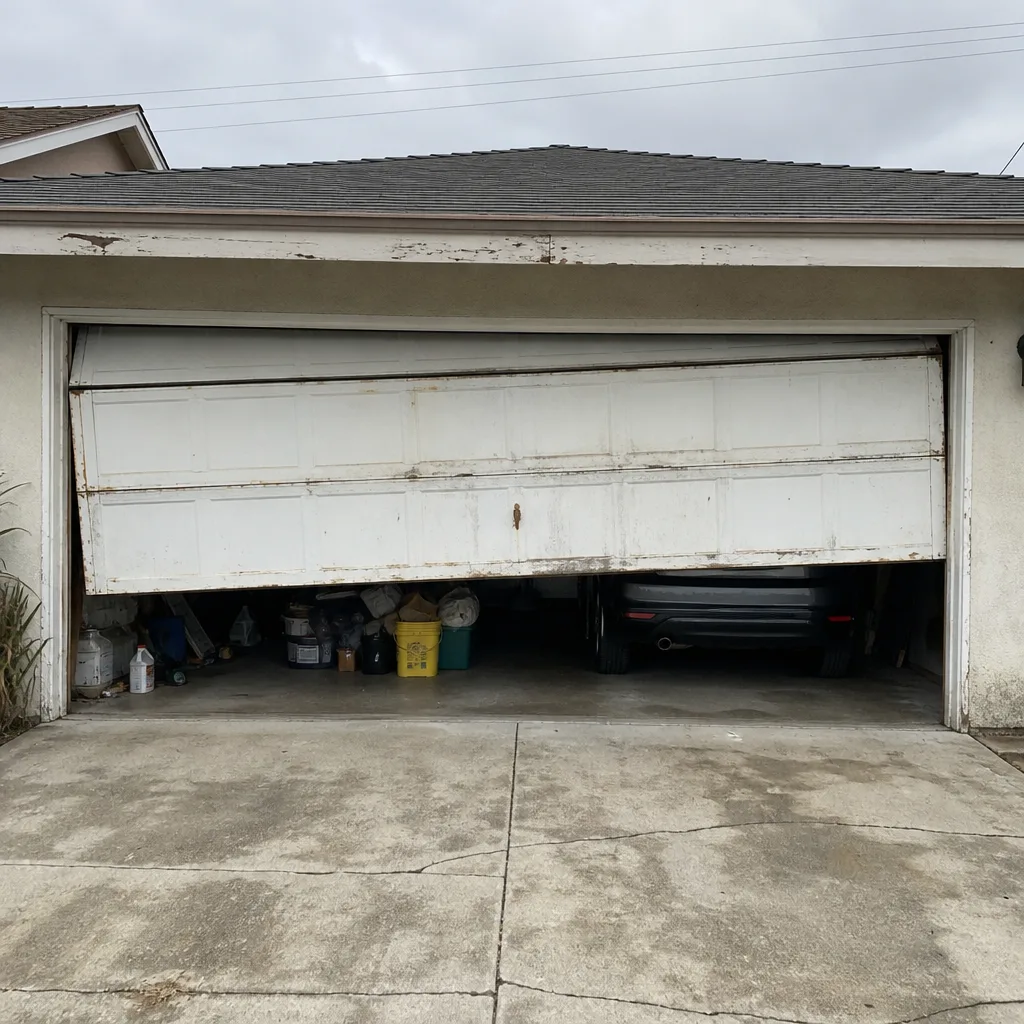 Before
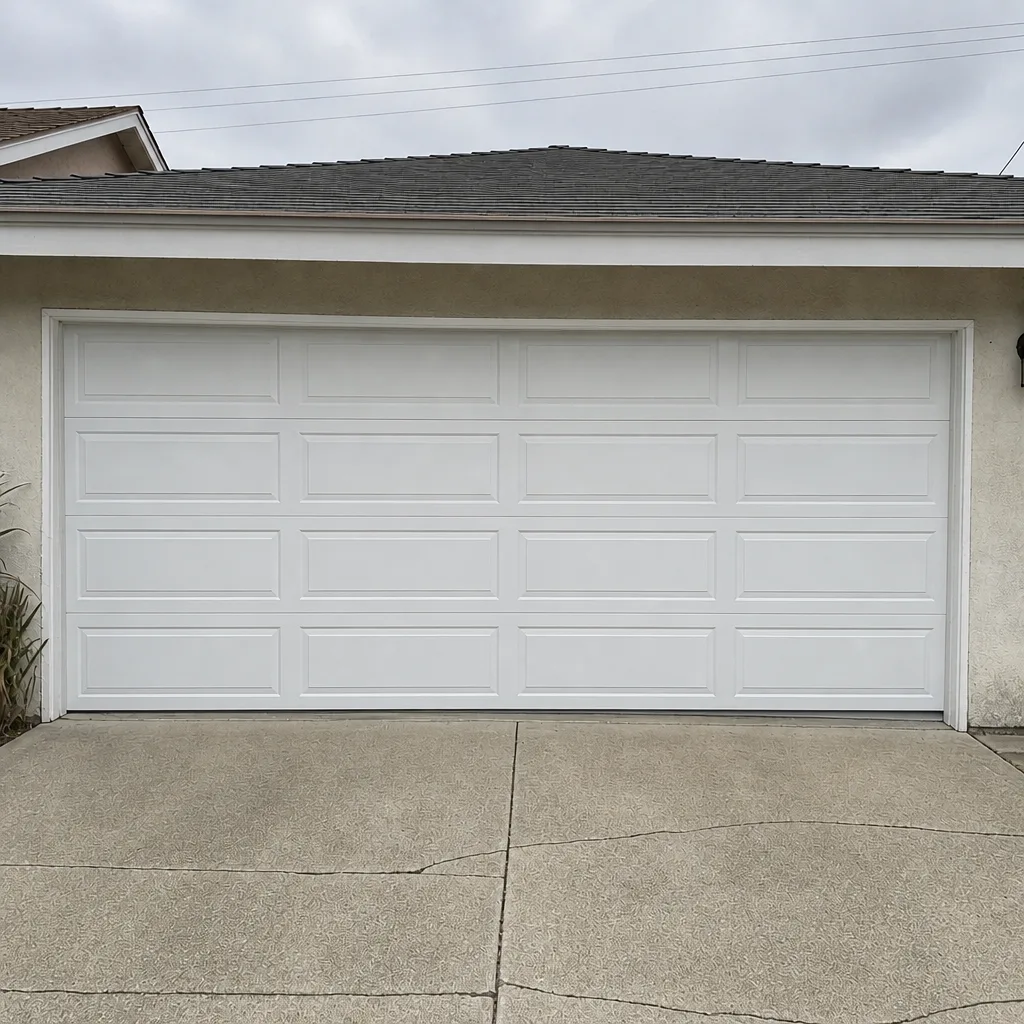 After
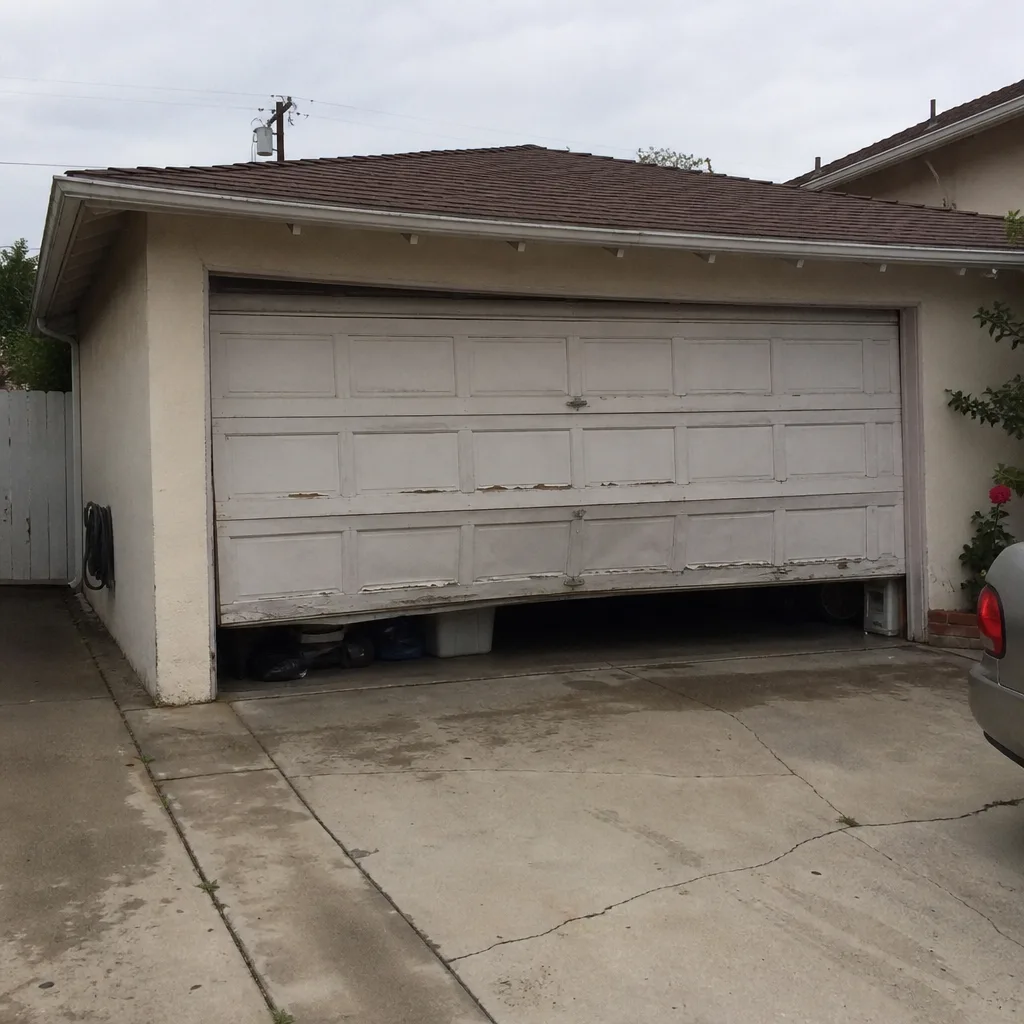 Before
 After
Frequently Asked Questions
Spring repair typically costs $180 to $340 for one spring, and a matched pair is usually replaced together, so expect roughly double that for two. That’s an estimated range because the final price depends on the door’s weight, spring size, and brand-specific parts. We quote the exact amount before any work begins and you approve it in writing first.
Yes, we offer same-day diagnosis. Describe the sound or symptom when you call, and we can often have a technician at your door the same day. Call (833) 589-9971. We answer 24/7. Fast dispatch from 7am to 7pm, Sunday through Friday.
No. The price you’re quoted before work begins is the price you’ll pay. That’s the point of the written estimate. If the technician finds something else during the repair, they’ll stop and show you before any additional work is done. Nothing gets added without your approval.
It can be, depending on where it’s coming from. Grinding from a roller is a wear problem that will get worse but is not an immediate safety risk. Grinding from the spring or cable area can indicate a component about to fail under tension, and that is dangerous. If you can’t tell where the sound originates, stop using the door and schedule a diagnosis.
You can typically ignore a true squeal from a dry roller or hinge for a few weeks without safety risk. The caveat is that squealing can mask the early stage of bearing failure, which then becomes grinding. If the squeal changes pitch or turns raspy, it’s no longer just a lubrication issue, and you should have it checked.
Yes. Those are four of the eight major brands we work on, along with LiftMaster, Chamberlain, Craftsman, and Raynor. Our technicians use manufacturer-native parts and system logic for each brand. If you know your door’s brand when you call, tell us. It helps us bring the right parts on the first visit.
The Bottom Line
Garage door warning signs are a language. A grinding sound at the start of the cycle means something different than a grinding sound at close. A door that sometimes works and sometimes doesn’t is often closer to failure than a door that consistently behaves the same way. In Norwalk, where the garage is the primary entry point for most homes, knowing the difference between a cosmetic issue and a structural hazard is the difference between a planned repair and an emergency. Use the observational checklist above, stop using the door the moment you see a spring gap or frayed cable, and call us when you’re unsure. The estimate is free. Call (833) 589-9971. We answer 24/7. Fast dispatch from 7am to 7pm, Sunday through Friday.
Written by the team at Garage Door Service Norwalk, serving Norwalk since 2014.