
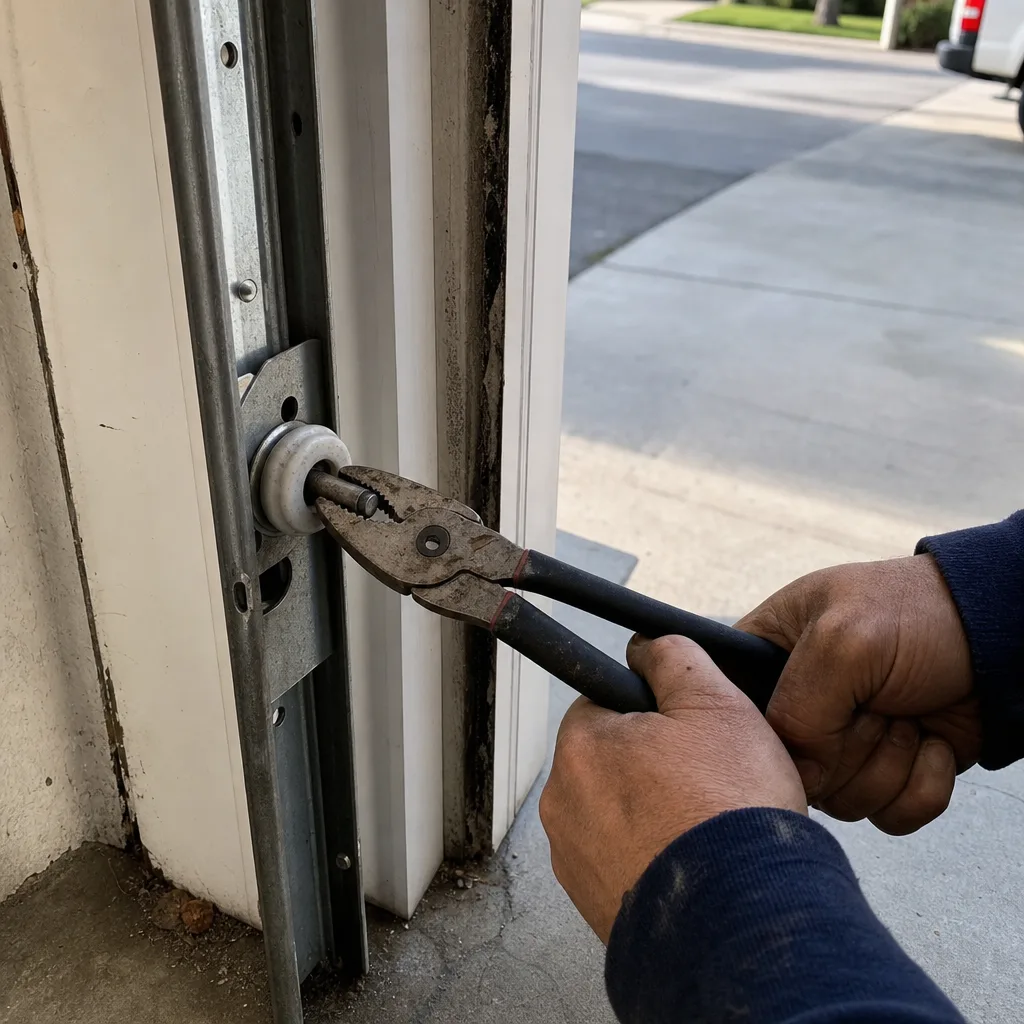
Last updated November 4, 2026
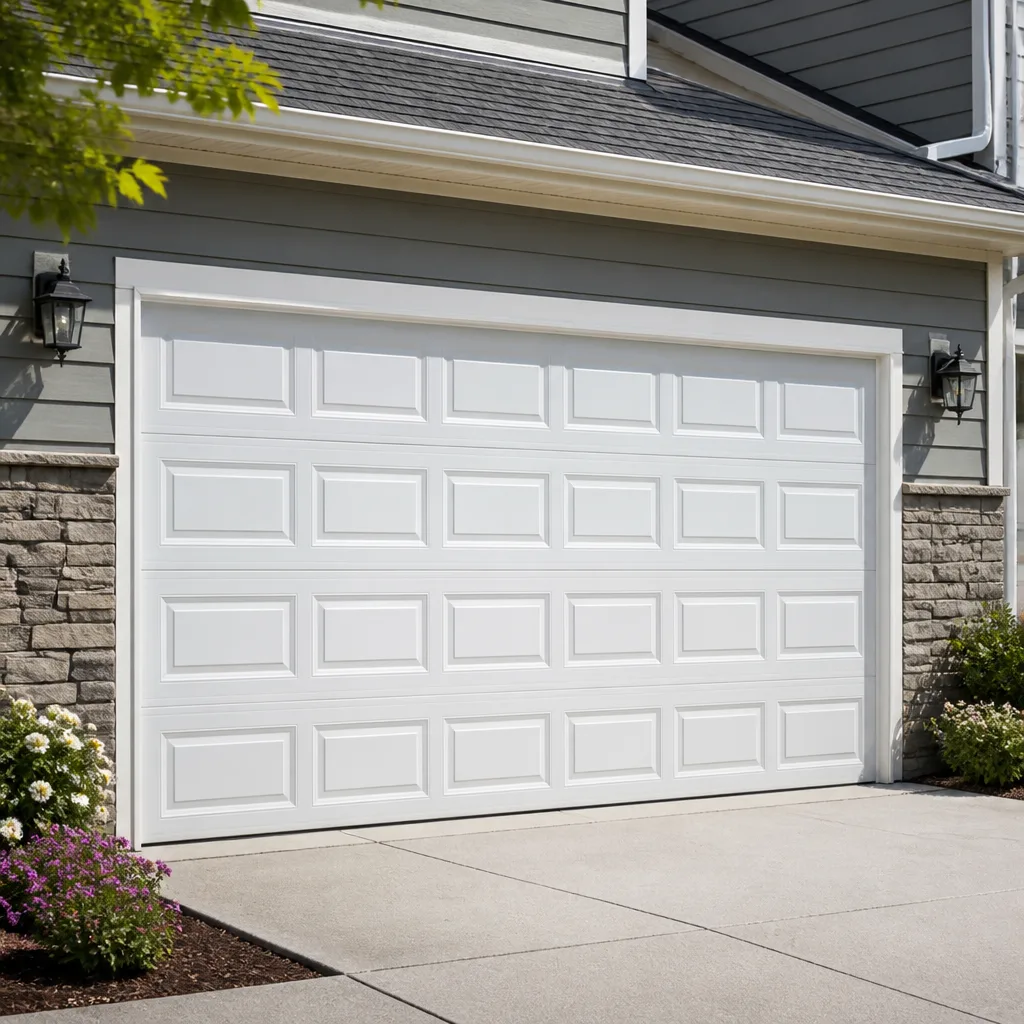 Raised-panel steel
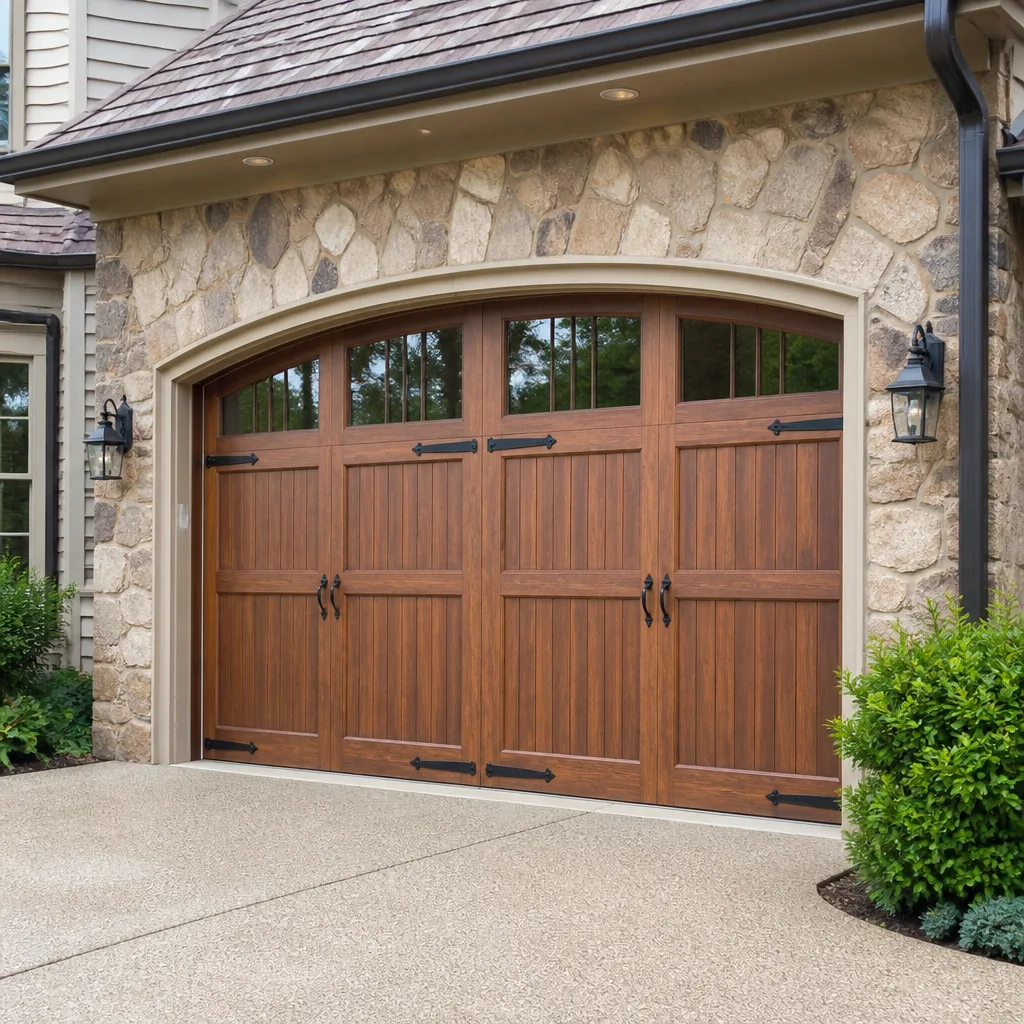 Carriage house
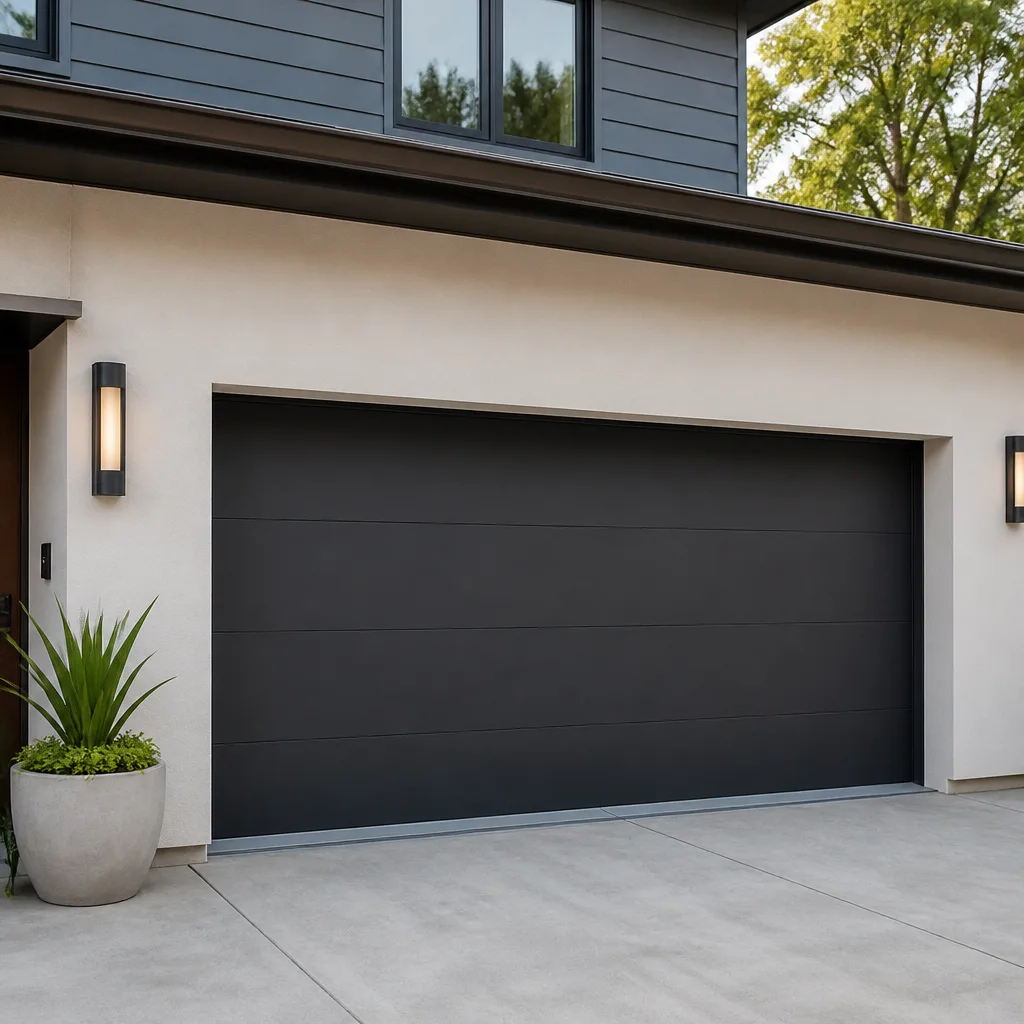 Modern flush
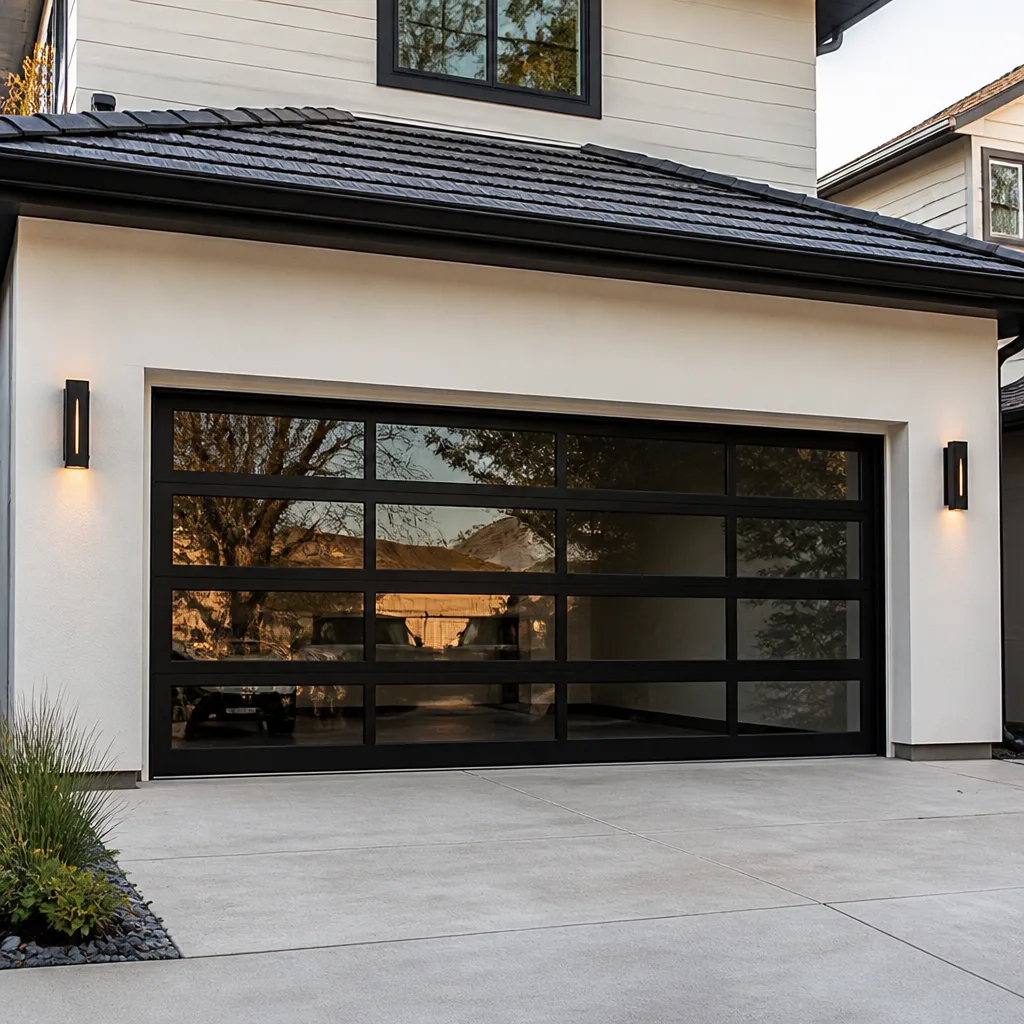 Full-view glass
 LiftMaster openers
 Chamberlain openers
Full 25-point door and opener safety check with every visit - springs, cables, rollers, tracks, and your LiftMaster or Chamberlain opener included
You get a price before we start. It does not change when the truck arrives.
Get your free estimateSeasonal Garage Door Care for Norwalk: Year-Round Homeowner’s Guide
Most garage door maintenance advice you’ll find online was written for places with snow, ice, and deep winter freezes. Norwalk doesn’t have that problem. What it does have is a dry season that lasts most of the year, a fire-wind season from October through December, a short but intense rainy window from January through March, and summer heat that pushes door components harder than homeowners expect. This guide explains what actually wears out garage doors in this specific climate, when to check each component, and which tasks genuinely matter versus which ones you can skip. By the end, you’ll have a Norwalk-specific maintenance calendar that reflects the weather we actually live with, not the weather a template assumes.
Quick Answer
In Norwalk, seasonal garage door care should follow four real climate periods: inspect seals and tracks after October – December Santa Ana wind events, check torsion spring tension and opener motor temperature during July – September heat peaks, address track rust and north-facing bottom seal wear during the January – March rain window, and schedule a full hardware and balance check each April as the dry season settles in. A professional tune-up once a year, paired with a few five-minute homeowner inspections after major wind or rain events, prevents most mid-season failures.
Styles & brands we work with
- Raised-panel steel
- Carriage house
- Modern flush
- Full-view glass
- LiftMaster openers
- Chamberlain openers
Table of Contents
- Why Norwalk’s Climate Demands a Different Maintenance Schedule
- Santa Ana Wind Season: October Through December
- The January Through March Rain Window: Rust and Seal Failure
- Summer Heat: Torsion Springs, Openers, and UV Damage
- The Dry Season: April Through September Baseline Care
- A Norwalk-Specific Task Calendar
- Common Mistakes to Avoid
- When to Call a Professional
Why Norwalk’s Climate Demands a Different Maintenance Schedule
Norwalk sits inland enough that coastal fog rarely moderates afternoon temperatures, but not so far inland that nights get cold. The result is a garage door environment defined by four things: prolonged dryness, occasional intense wind, brief but meaningful rain, and sustained summer heat. Each of these stresses door components differently than the freeze-thaw cycles you’ll see referenced in generic garage door guides.
Dry air means less rust overall, but it also means dust and grit accumulate faster in tracks, rollers, and hinges. That grit acts as an abrasive every time the door moves. Wind season brings airborne debris that batters weatherstripping and forces fine dust past seals. The rain window, though short, is when whatever rust has started gets the moisture it needs to progress. And summer heat does something most Norwalk homeowners don’t expect: it changes the effective tension of torsion springs and makes opener motors work harder at the hottest part of the day.
If you’ve been following a “winterize your garage door” checklist from a national home improvement site, you’ve been prepping for a season that doesn’t exist here. The better approach is to calendar your maintenance around what the local weather actually does. The sections below walk through each climate period in chronological order, starting with the one most guides ignore entirely.
Santa Ana Wind Season: October Through December
Santa Ana wind events are the most underrated threat to garage doors in Norwalk. These winds routinely gust strong enough to rattle doors, flex panels, and drive fine dust into every gap. The damage isn’t usually dramatic. It’s cumulative and specific.
What Wind Does to Weatherstripping and Bottom Seals
The vinyl weatherstripping along your door’s sides and the rubber bottom seal exist to keep dust, water, and pests out. During a Santa Ana event, sustained wind pushes against the door face and works those flexible seals back and forth. Over several events, seals can tear, pull loose from their channels, or develop gaps where fine dust slips through. A bottom seal that looks fine from a distance may have a compressed section that no longer contacts the garage floor evenly.
After any wind event with gusts strong enough to rattle the door, spend two minutes running your hand along the bottom seal while the door is closed. Feel for gaps. Look at the side weatherstripping where it meets the door edge. If you can see daylight through any gap, dust has been getting in, and the seal needs replacement. This is a five-minute fix with the right part, but ignored, it lets dust coat your opener rail, hinges, and anything stored in the garage.
Wind-Loosened Hardware
Repeated wind buffeting also loosens track bolts, hinge screws, and roller brackets. A door that shakes in the wind will eventually develop play in its hardware. The first sign is usually a rattle or a slight wobble when the door moves. Check the track bolts where vertical and horizontal sections meet. Check the hinges on each panel. If any screw or bolt takes a quarter-turn with a socket wrench without resistance, it was in the process of backing out.
This is also the season when we replace the most broken rollers. Wind-induced door movement, combined with dust working into roller bearings, accelerates wear on nylon and steel rollers alike. When a roller seizes, it stops rolling and starts sliding, which grinds a flat spot into it and drags the door out of balance.
Opener Electronics and Static
Dry wind and dust are not kind to garage door opener electronics. The circuit boards in modern openers from LiftMaster and Craftsman are sealed against normal household dust, but fine Santa Ana dust is persistent. Static electricity builds more readily in dry conditions, and dust clinging to a board can create paths for stray current. Most opener failures are mechanical, but when an opener behaves erratically only during dry, windy periods, dust intrusion is a common culprit.
None of this means you need to panic every time the wind blows. It means the wind season is worth a quick post-event inspection. Most homeowners can do it in under five minutes, and it catches small problems before they become mid-season breakdowns.
The January Through March Rain Window: Rust and Seal Failure
Norwalk doesn’t get much rain, but when it comes, it concentrates between January and March. For a garage door that has spent nine months accumulating dust and minor surface abrasions, those three months are when corrosion and seal failures show up.
Track Rust: The Quiet Problem
Garage door tracks are galvanized steel, which resists rust well under normal conditions. But every scratch from a misaligned roller, every spot worn by years of movement, exposes bare steel. The dry months don’t do much to those spots. Rain water, especially if it runs down from the door edge or blows in through a worn seal, gets into those exposed areas and starts oxidation.
Rust on the track face is cosmetic at first. But rust inside the track channel, where rollers ride, is a different story. It creates a rough surface that accelerates roller wear and can create subtle misalignment as the rough spot biases the roller’s path. If you see rust blooming on the outside of a track, check the inside channel. Surface rust outside is a wire-brush and touch-up job. Rust inside the channel may mean the track section needs professional realignment or replacement.
North-Facing Doors: The Seal Risk You Can’t See
Here’s a Norwalk-specific detail most guides miss. If your garage door faces north, it never gets direct sunlight on its bottom seal. During the January – March rain window, that seal stays damp longer than the seals on doors that face south or west. Sunlight dries rubber and vinyl seals quickly after a rain. A north-facing seal stays wet for hours or days, and wet rubber against concrete invites degradation.
The practical result is that north-facing bottom seals in Norwalk fail earlier and more completely than seals on other exposures. If your door faces north, check the bottom seal after every rain event during this window. Run your hand along it in the morning after a rain. If it feels soft, swollen, or leaves black residue on your hand, it’s breaking down. Replacement is inexpensive, especially compared to the cost of water-damaged garage contents or the pest problems that follow a gap at the bottom of the door.
- After any rain, check the bottom seal on all doors, paying extra attention to north-facing exposures.
- Look at where the seal meets the concrete. Water stains on the inside of the garage near the door suggest a seal gap.
- Check tracks for water streaks. Water that runs along the track and leaves a mark means the track is getting wet repeatedly.
- Wipe down any visible rust on track exteriors with a dry cloth. Don’t oil rusty tracks; oil attracts dust and grime.
- Confirm the weatherstripping on the door’s sides is intact. This is also when mud wasps and other pests look for gaps.
This is also the season when garage door repair calls tick up in Norwalk. A door that has been slightly out of balance for months often fails during the first few rain events of the year, because wet conditions change how rollers, hinges, and cables interact. The moisture itself doesn’t cause the failure; it exposes the component that was already failing.
Summer Heat: Torsion Springs, Openers, and UV Damage
Norwalk summers test garage door systems in specific, measurable ways. The heat itself doesn’t break parts, but it changes how they behave, and it shortens the life of components that are already marginal.
How Heat Affects Torsion Springs
Torsion springs are steel coils under very high tension. They counterbalance the door’s weight, which is why a door with a broken spring feels suddenly impossible to lift. Heat affects springs in two ways. First, sustained high temperatures cause the steel to expand slightly, which reduces the spring’s effective lift by a small amount. A doorway that opened smoothly in April may feel heavier in August. Usually the change is small enough that you won’t notice it unless the springs are already near the end of their life cycle.
Second, heat accelerates metal fatigue in springs that have already completed most of their rated cycles. Torsion springs are rated for a certain number of open-close cycles, typically measured in the thousands. A spring rated for a typical residential door might be designed for 10,000 cycles, and most homeowners put roughly 2,000 to 3,000 cycles on a door per year. Heat doesn’t reduce the cycle count, but it makes the spring operate closer to its stress threshold every time it opens and closes, which brings a weakening spring to failure sooner.
If your door feels noticeably heavier in August than it did in May, don’t adjust anything yourself. Torsion springs contain enough stored energy to cause serious injury or death if they fail while being adjusted. The correct response is to have a professional check the spring tension and door balance. The spring may be near the end of its life, and replacing it before it fails means the difference between a scheduled repair and a door that won’t open on the hottest day of the year.
Opener Motor Life in Inland-Adjacent Heat
Motors generate heat when they run, and they rely on the surrounding air to dissipate it. When the air in a garage is already very warm, especially in the late afternoon after a full day of sun, the motor runs hotter for the same amount of work. High internal temperatures accelerate the breakdown of winding insulation and bearing lubricants. An opener from LiftMaster or Craftsman that would last for years in a coastal climate can lose a few years of service life in Norwalk’s warmer afternoons, especially in a garage that faces west and heats up more aggressively.
Heat is also hard on opener logic boards and remote electronics, but the motor itself is the more vulnerable component. If your opener feels hot to the touch after running, that’s normal within limits. If it has started running more slowly, stopping mid-cycle, or reversing for no apparent reason on hot days, the motor or its thermal protection circuit may be telling you it’s near the end.
UV Degradation: When a Door Goes From Faded to Compromised
High sun exposure breaks down the finish on garage door panels over time. Steel doors with factory-applied finishes resist this better than older painted doors, but no finish is immune. UV exposure in Norwalk’s high-sun months weakens the topcoat, which leads to chalkiness first, then fading, then fine surface cracking. The damage is cosmetic at first. It becomes structural when the coating breaks down enough that moisture can reach the steel or the wood underneath.
For a steel door, the point of no return is when the finish develops cracks wide enough to catch a fingernail. That’s when the metal core is exposed to whatever moisture the rainy window brings. For a wood door, it’s when the grain begins to raise or the surface splinters. If your door has developed visible finish damage, refinishing is no longer a cosmetic choice; it’s keeping water out of the door’s substrate.
Doors from manufacturers like Wayne Dalton and Raynor use finishes engineered for UV resistance, but even those benefit from a basic wash twice a year and a close inspection after each summer. Car wash soap, a soft brush, and a hose are the right tools. Pressure washers can force water past seals and damage paint, so avoid them.
The Dry Season: April Through September Baseline Care
From April through September, Norwalk’s garage doors operate in their most forgiving environment. Temperatures are moderate by local standards, humidity is low, and there’s little rain. This is the window for active maintenance: lubrication, cleaning, and mechanical checks. The goal is to reach October with every component in good condition, because the wind season that follows is when weaknesses get exposed.
Lubrication: What to Use and What to Skip
Two things need lubrication on a modern garage door: the opener rail on screw-drive and belt-drive systems, and the torsion spring. Hinges and rollers also benefit from a light lubricant, though many modern rollers use sealed bearings that don’t need it.
Use a lithium-based or synthetic garage door lubricant, not WD-40. WD-40 is a solvent that displaces water and leaves little lubrication behind. A proper garage door lubricant clings to the spring and rail, reducing friction and quieting the door. Spray the torsion spring along its entire length, inside and outside the coil. Apply a light layer to the chain or belt on the opener rail if your opener uses one. Put a small amount on each hinge pivot point. Do not lubricate the track channels themselves. Tracks need to stay clean and dry so rollers can grip properly, and a wet track simply collects dust.
The Full Mechanical Check
Once a year during the dry season, walk through these checks:
- Balance test: Pull the emergency release cord while the door is fully closed. Lift the door manually halfway. A properly balanced door stays at mid-height without drifting up or down more than a few inches. If it drops quickly or shoots upward, the spring tension is off and a professional should inspect it. Leave the door mid-height when you finish so the opener can re-engage.
- Visual spring inspection: Check the torsion spring for gaps in the coil, visible rust, or any sign that the coil is pulling apart. A spring failure is usually sudden, but a gap in the coil means it’s already broken or close to it.
- Cable check: Look at the lifting cables that run from the bottom bracket up to the drum. Frayed strands, kinks, or rust near the drum are signs that a cable is near failure. Cables fail without much warning, so replace them at the first sign of wear.
- Roller check: Look at each roller as the door operates, if you can do so safely. Wobbling rollers, ones that don’t spin freely, or visible flat spots mean that roller needs replacement. A broken roller can bind, damage the track, and take the door out of alignment.
- Safety sensor check: Close the door and place an object about 6 inches tall in the door’s path. The door should reverse when the sensor beam is broken. Clean sensor lenses with a dry cloth. Misaligned or dirty sensors are the most common cause of a door that reverses for no reason.
- Hardware tightening: Go over the bolts, nuts, and screws that hold track sections, hinges, and brackets. Tighten anything that moves. Use a socket set so you don’t strip the heads.
If the balance test reveals a problem, or if you find a cable with visible wear, call a professional. These are the components that carry the door’s weight when it moves. The energy stored in a torsion spring is genuinely dangerous, and a cable under tension can remove a finger or cause a deep laceration if it snaps while you’re handling it. This is not work for a homeowner with a socket set. We say that not to upsell you, but because we’ve seen what happens when a well-meaning homeowner tries it. Garage Door Service Norwalk works on equipment from LiftMaster, Chamberlain, Genie, Clopay, Amarr, Wayne Dalton, Craftsman, and Raynor, and our technicians handle this work as a matter of routine, safely.
A Norwalk-Specific Task Calendar
The table below maps maintenance tasks to actual Norwalk climate periods. This is a working calendar, not a generic quarterly list. Follow it as written and you’ll catch problems when they’re cheapest to fix.
October Through December: Wind Season
- After every wind event with gusts strong enough to rattle the door, check bottom seal for gaps and tears.
- Inspect side weatherstripping for wind-driven separation.
- Check track bolts and hinge screws for loosening caused by door movement.
- Listen for new rattles or squeaks during operation; address them before they become bigger problems.
- Keep the opener rail and hinges free of the fine dust that Santa Ana winds deposit on everything.
January Through March: Rain Window
- After each rain, inspect bottom seal on all doors, with special attention to north-facing exposures.
- Check tracks for water streaks and rust; dry them off after wet weather.
- Confirm that water isn’t pooling inside the garage near the door, which suggests a seal gap or drainage issue.
- Watch for stiffness or binding when the door opens after a rainy night; wet hardware may be starting to stick.
- Inspect hinges fasteners and brackets for corrosion; replace any showing significant rust.
April Through May: Post-Rain Reset
- Wash the door with car wash soap and a soft brush. Inspect the finish for cracks, chalkiness, or exposed metal.
- Lubricate the torsion spring, hinges, and chain or belt drive if applicable.
- Complete the full mechanical check (balance test, spring inspection, cable check, roller inspection, safety sensor test).
- Tighten all hardware.
- This is the best time for a professional tune-up. Any problems found in April have five months to be addressed before wind season starts again.
June Through September: Heat Management
- Note if the door feels heavier on hot afternoons. This is a sign of spring tension change or spring fatigue.
- If the opener seems to strain or run slower in the heat, have it checked before it fails.
- Inspect door finish for new UV damage, especially on doors facing south or west.
- Keep the garage as ventilated as practical on hot afternoons to reduce opener motor temperatures.
- Check sensors and remotes for heat-related intermittent operation; batteries, in particular, degrade faster in heat.
Common Mistakes to Avoid
- Following a freeze-thaw maintenance calendar. Norwalk doesn’t get freezing temperatures, and prepping for them means you’re checking the wrong things while neglecting wind and dust damage.
- Lubricating the tracks. Track channels need to stay clean and dry. Oil in tracks just attracts dust and creates a grinding paste that wears rollers faster.
- Ignoring north-facing bottom seals. They fail first in the January – March rain window because they don’t dry out. Check them after every rain.
- Using WD-40 as a garage door lubricant. It’s a solvent, not a lasting lubricant. A lithium or synthetic garage door lubricant is what holds up on springs and hinges.
- Waiting for a spring to break before calling a technician. By the time a torsion spring breaks, the door is often stuck in place, and the repair is urgent rather than planned. A balance check in April catches weakening springs early.
- Assuming a noisy door is just a noisy door. Squeaks, rattles, and grinding sounds are a door telling you something specific. Most noises have a single mechanical cause that is cheap to fix if caught early.
- Adjusting torsion springs yourself. The tension in a torsion spring can deliver a fatal injury. There is no version of this repair that is worth doing without proper training and tools.
When to Call a Professional
Some maintenance is meant for homeowners: wiping down tracks, checking seals, testing balance, tightening hardware. Some is not. If your balance test shows the door dropping or rising on its own, the springs need professional attention. If a cable is frayed, the cable and possibly the drum need replacement. If the door has come off its tracks, if a panel is dented deeply enough to compromise the door’s structure, or if the opener motor is showing signs of failing, these are professional repairs with real safety margins attached.
We work exclusively on garage doors. That’s the whole trade. Garage door opener repair, spring replacement, panel and track work, and complete installations: that’s the service. We carry brand-matched parts for LiftMaster, Chamberlain, Genie, Clopay, Amarr, Wayne Dalton, Craftsman, and Raynor systems. If you call us about a door from any of those manufacturers, we know the system logic, the common failure points, and the correct parts. Norwalk homeowners can reach us at (833) 589-9971 for a free estimate. We answer 24/7. Fast dispatch from 7am to 7pm, Sunday through Friday.
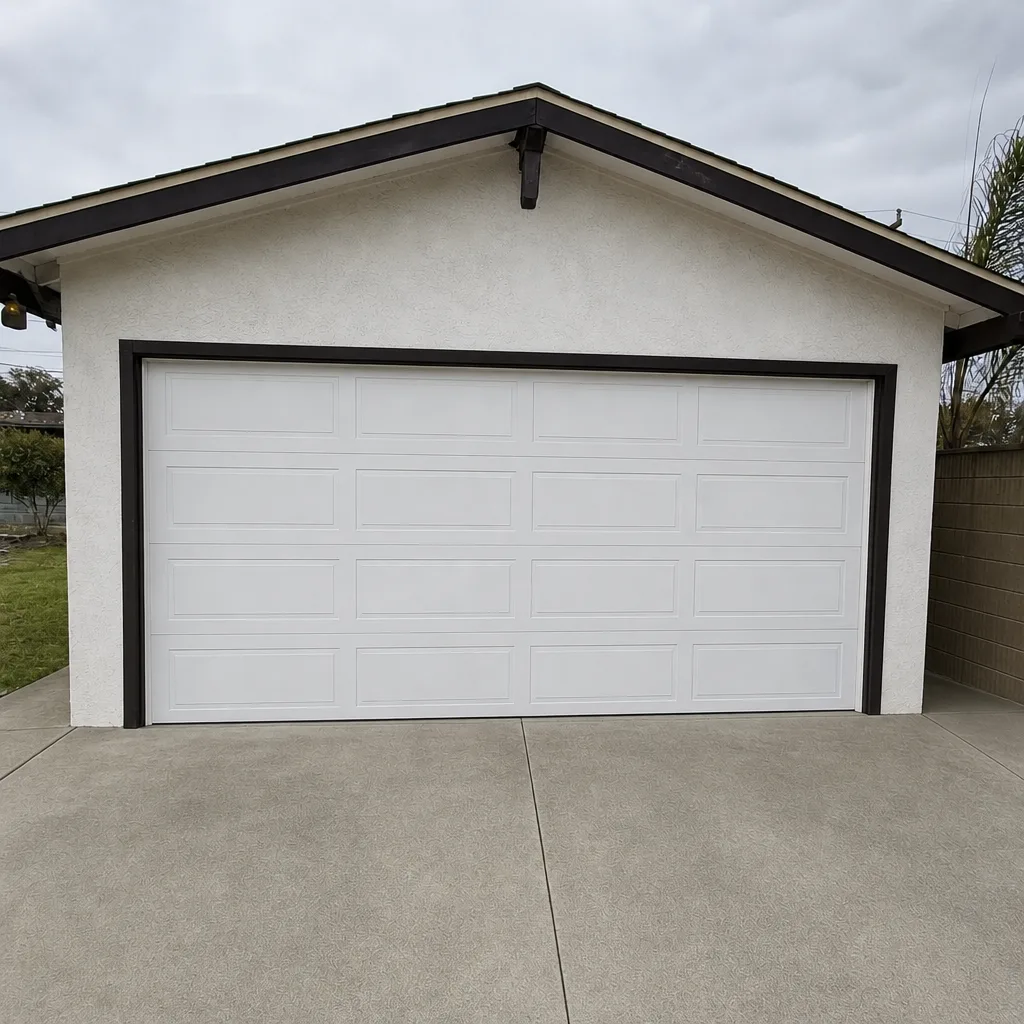
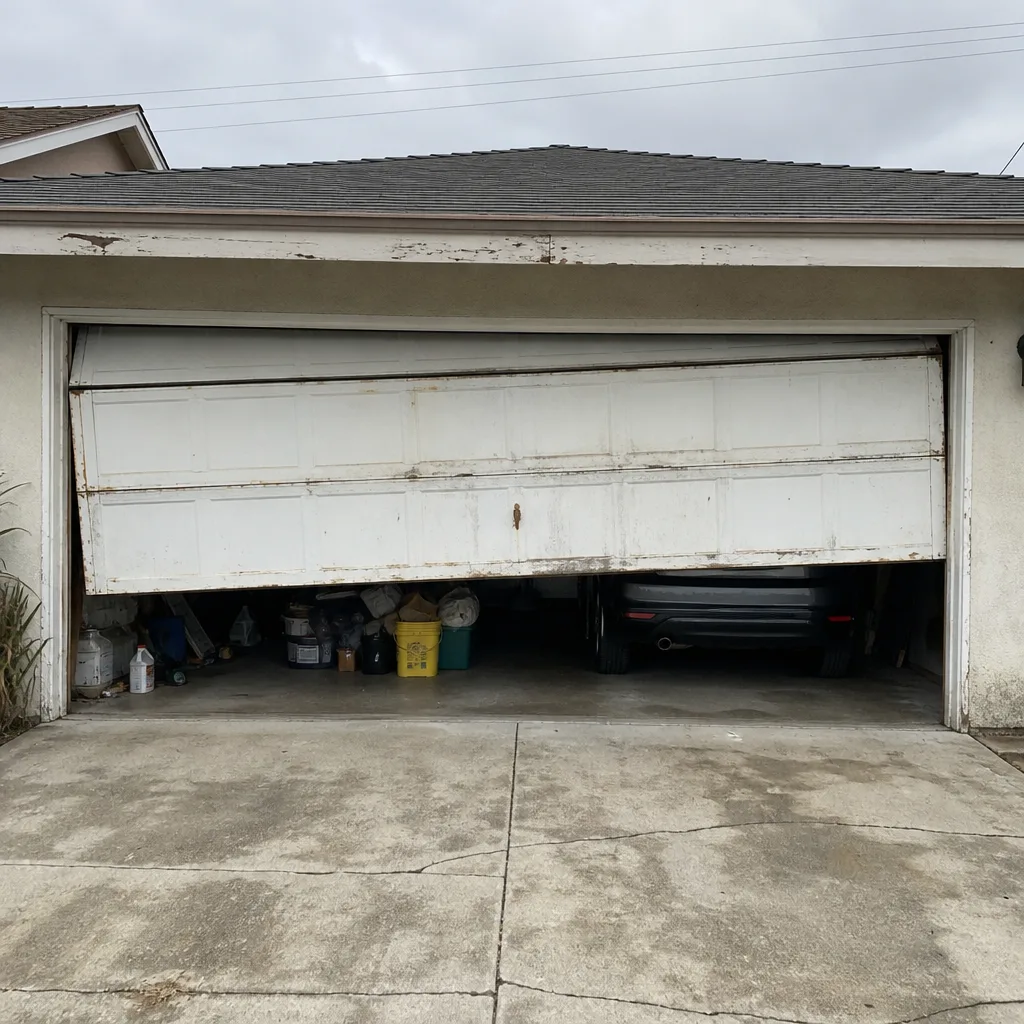
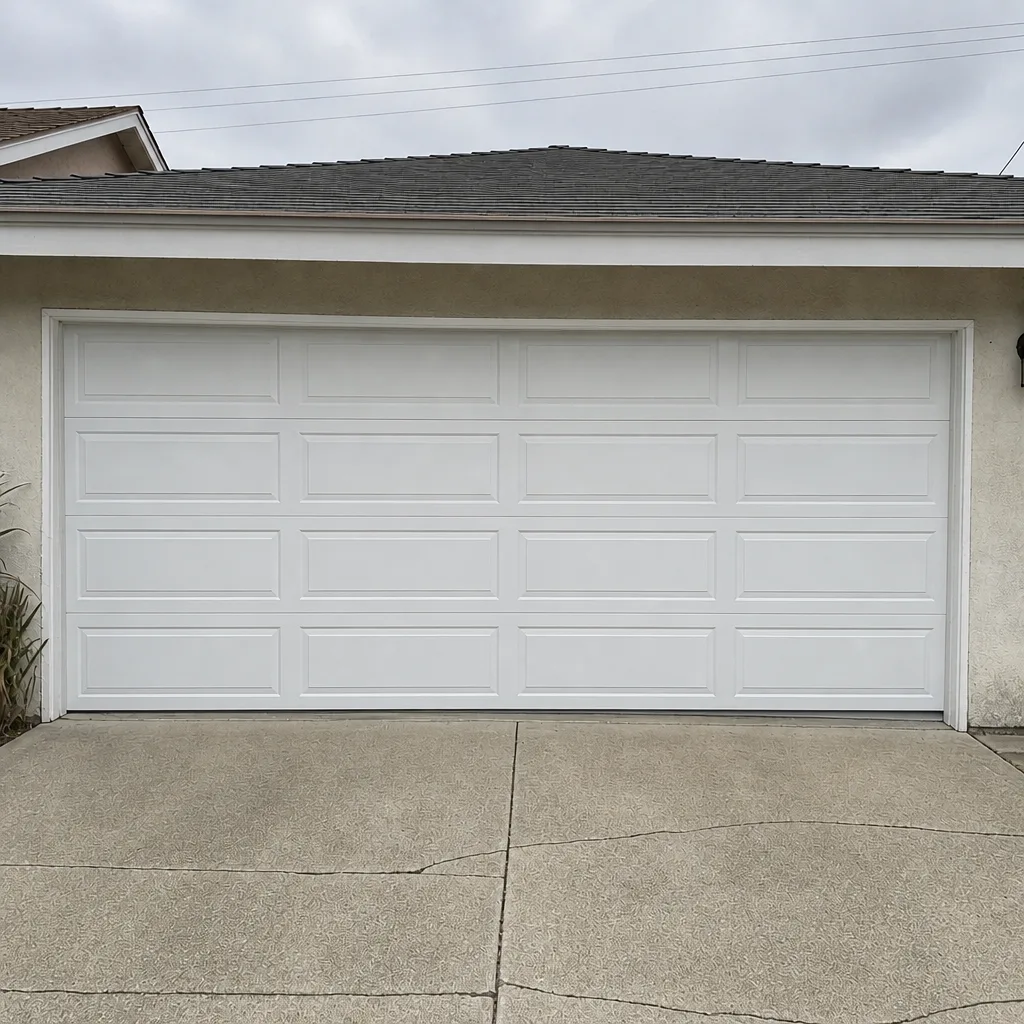
See the difference
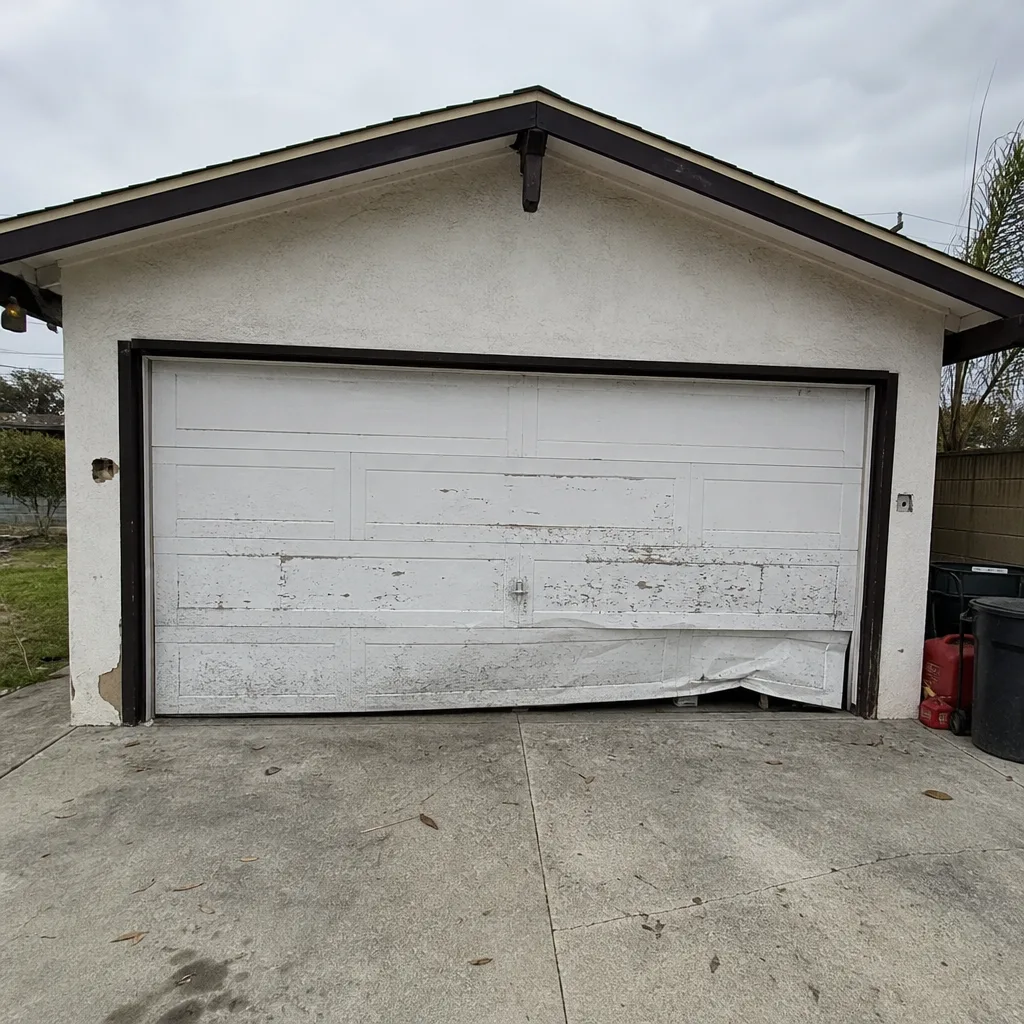 Before
 After
 Before
 After
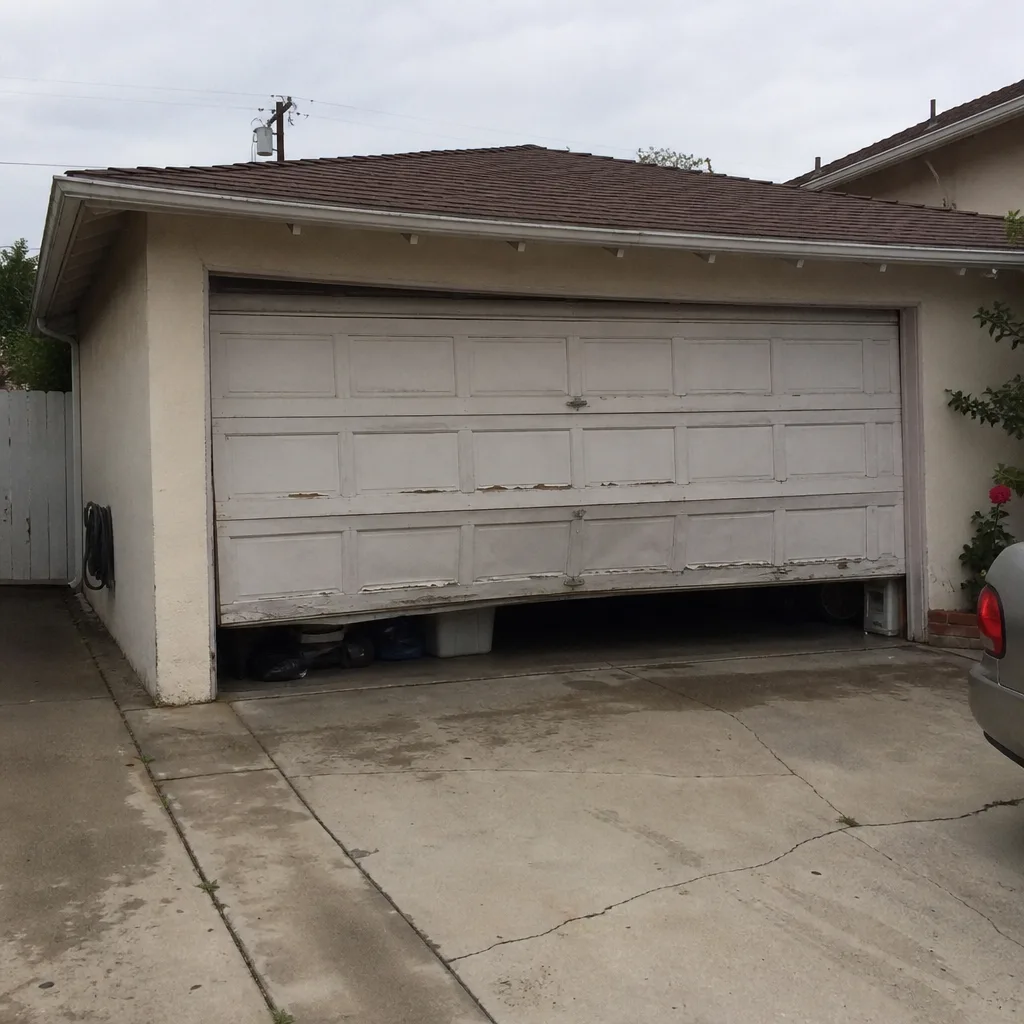 Before
 After
Frequently Asked Questions
Once a year is enough for most Norwalk homeowners. Schedule the service in April or May, after the rain window closes and before the summer heat begins. A professional tune-up at that time lets you catch spring fatigue, cable wear, and seal damage from the winter while the weather is forgiving and before wind season starts again. Call (833) 589-9971 for a free estimate.
Yes, and the damage is usually cumulative rather than dramatic. Sustained wind buffets the door face, flexing panels and working weatherstripping loose. Dust driven by the wind gets into tracks, hinges, and rollers, acting as an abrasive. After a wind event, check your seals and hardware. Loose bolts and torn seals caught early are quick fixes.
Heat causes the steel in torsion springs to expand slightly, which reduces their lift by a small amount. If the springs are already near the end of their rated cycles, the change is more noticeable. A door that feels heavier on hot afternoons is a sign the springs are wearing out. Call a professional for a balance check before the spring fails completely.
Close the door and run your hand along the bottom seal where it meets the concrete. Feel for gaps, compressed spots, or tears. If you can see daylight under the seal anywhere, it’s not sealing. Check the seal on north-facing doors more closely during the January – March rain window; they stay damp longer and fail earlier. Call (833) 589-9971 for a free estimate on seal replacement.
Use a lithium-based or synthetic garage door lubricant on the torsion spring, hinges, and opener chain or belt. Do not use WD-40, which is a solvent and leaves little lasting lubrication. Do not lubricate the tracks; they need to stay clean and dry so the rollers can grip properly.
No. Torsion springs are under extreme tension and store enough energy to cause serious injury or death if they fail while being adjusted. This is not a household repair. If your spring is broken or showing signs of wear, call a professional garage door technician. The cost of professional spring replacement in Norwalk is modest compared to the risk of attempting it yourself.
The Bottom Line
Norwalk’s garage door maintenance calendar doesn’t look like the one in a national home improvement guide, because our climate doesn’t look like the rest of the country’s. Wind season, not winter, is when seals fail. The rain window, not spring thaw, is when rust and water damage appear. Summer heat, not ice, is what ages springs and opener motors. If you do one thing from this guide, do the post-wind-season inspection in October and the full mechanical check in April. Those two touchpoints bracket the seasons that do the most damage, and together they catch most failures before they happen. When you need a professional, garage door repair in Norwalk is one call away at (833) 589-9971. We answer 24/7. Fast dispatch from 7am to 7pm, Sunday through Friday.
Written by the team at Garage Door Service Norwalk, serving Norwalk since 2014.