
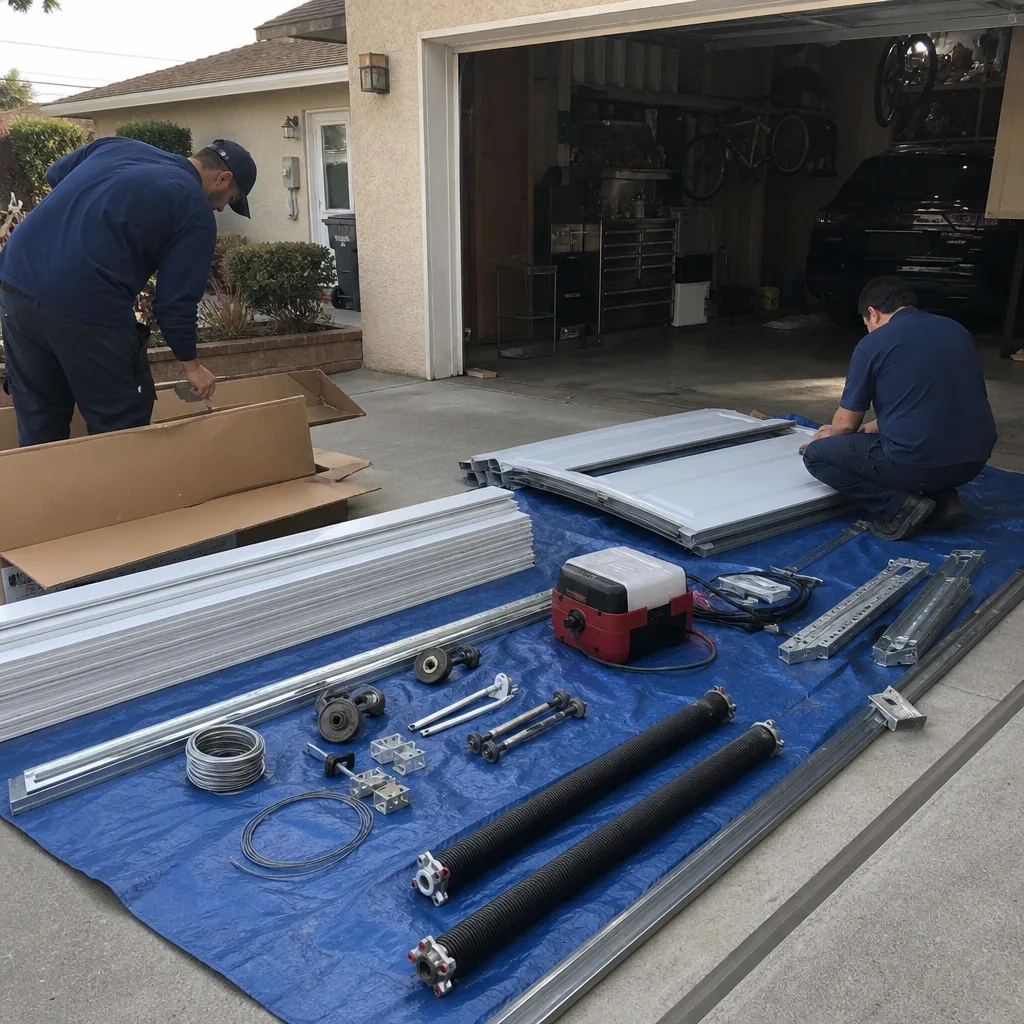
Last updated November 4, 2026
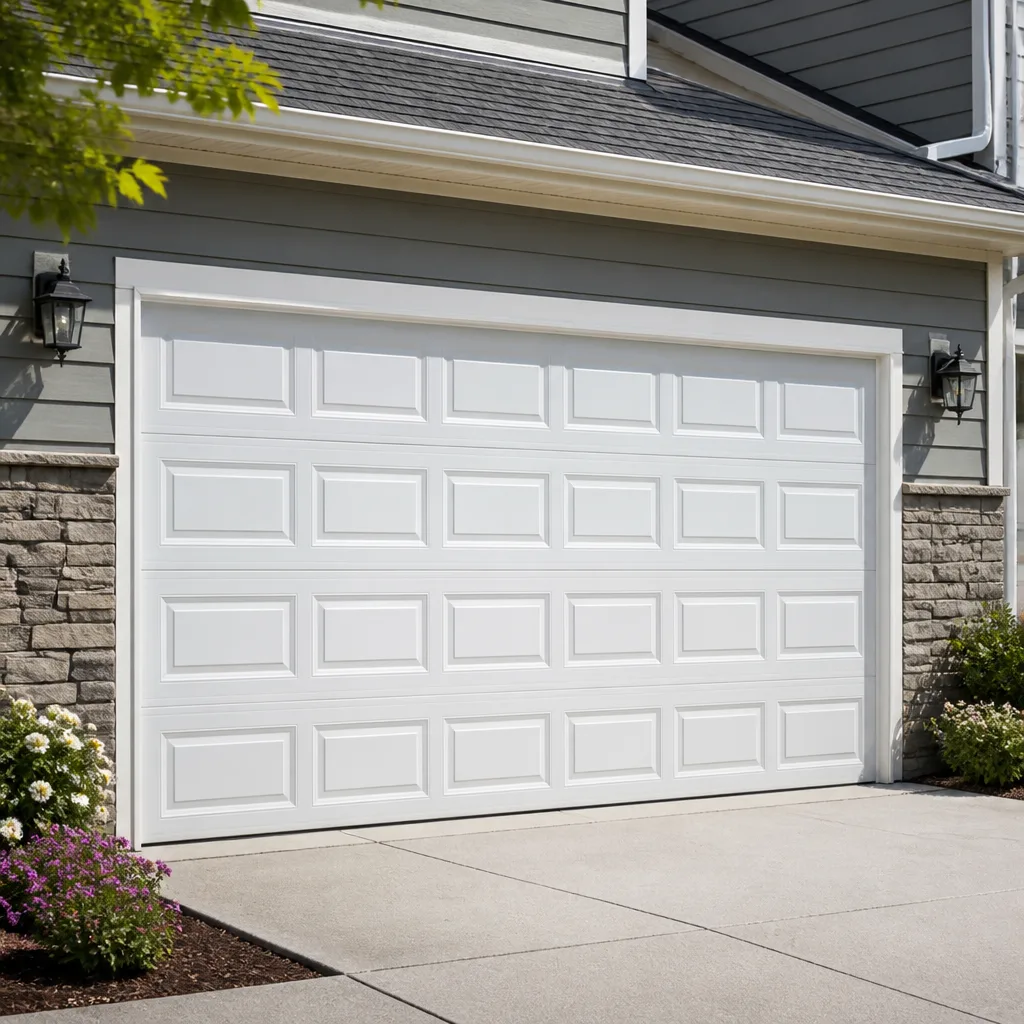 Raised-panel steel
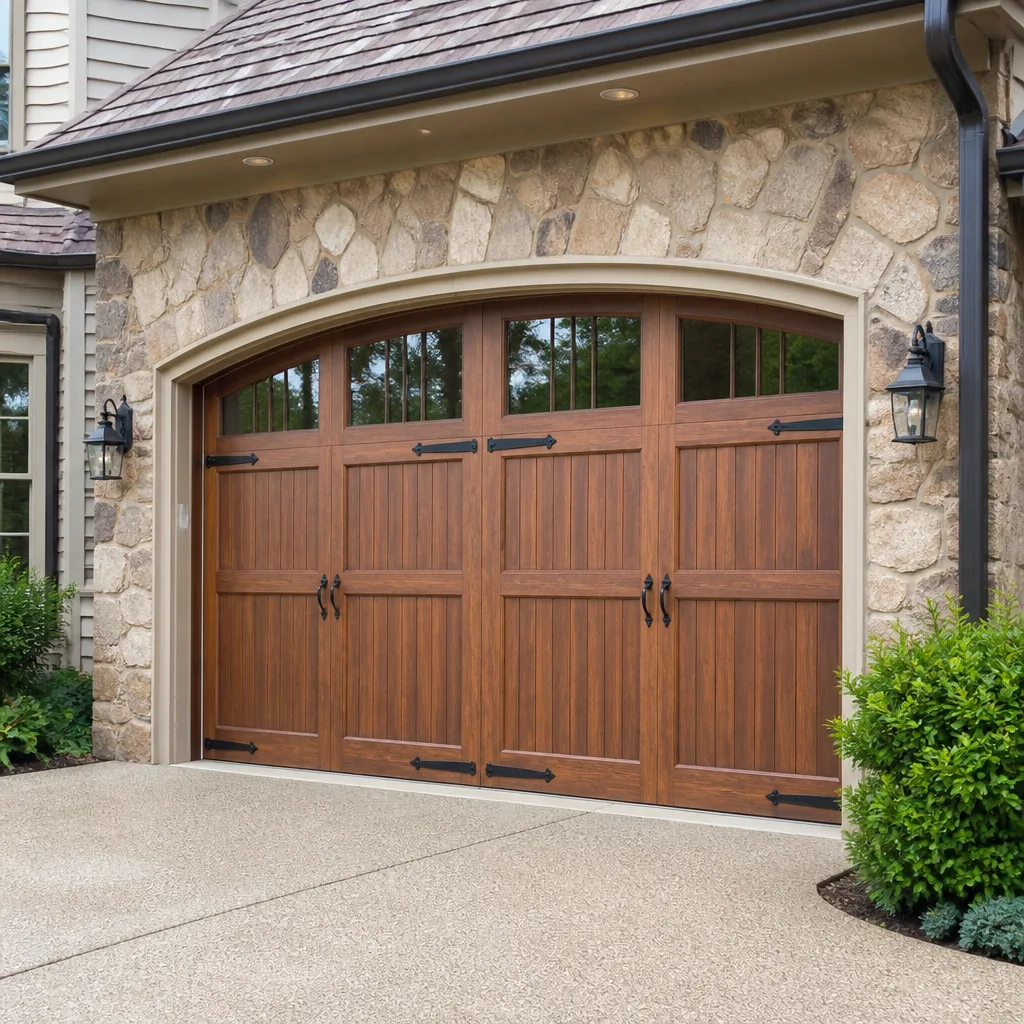 Carriage house
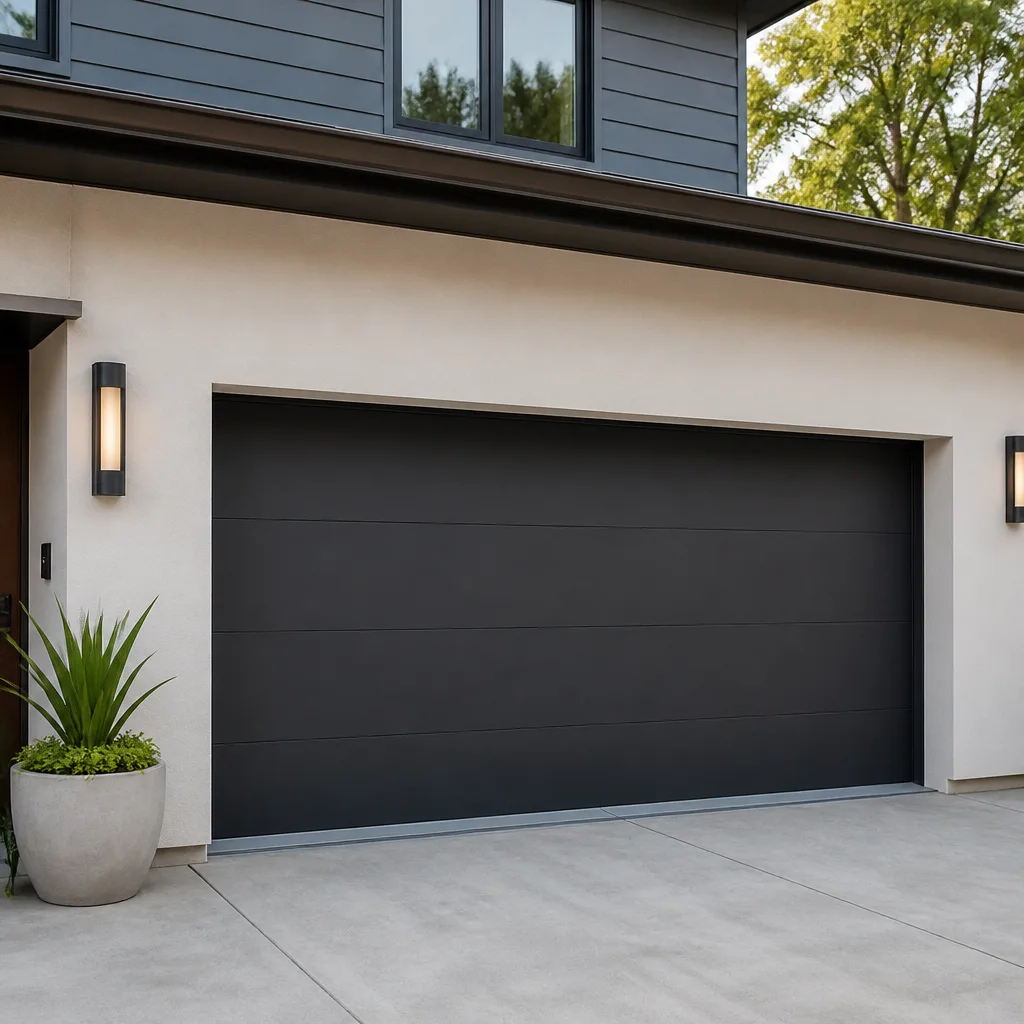 Modern flush
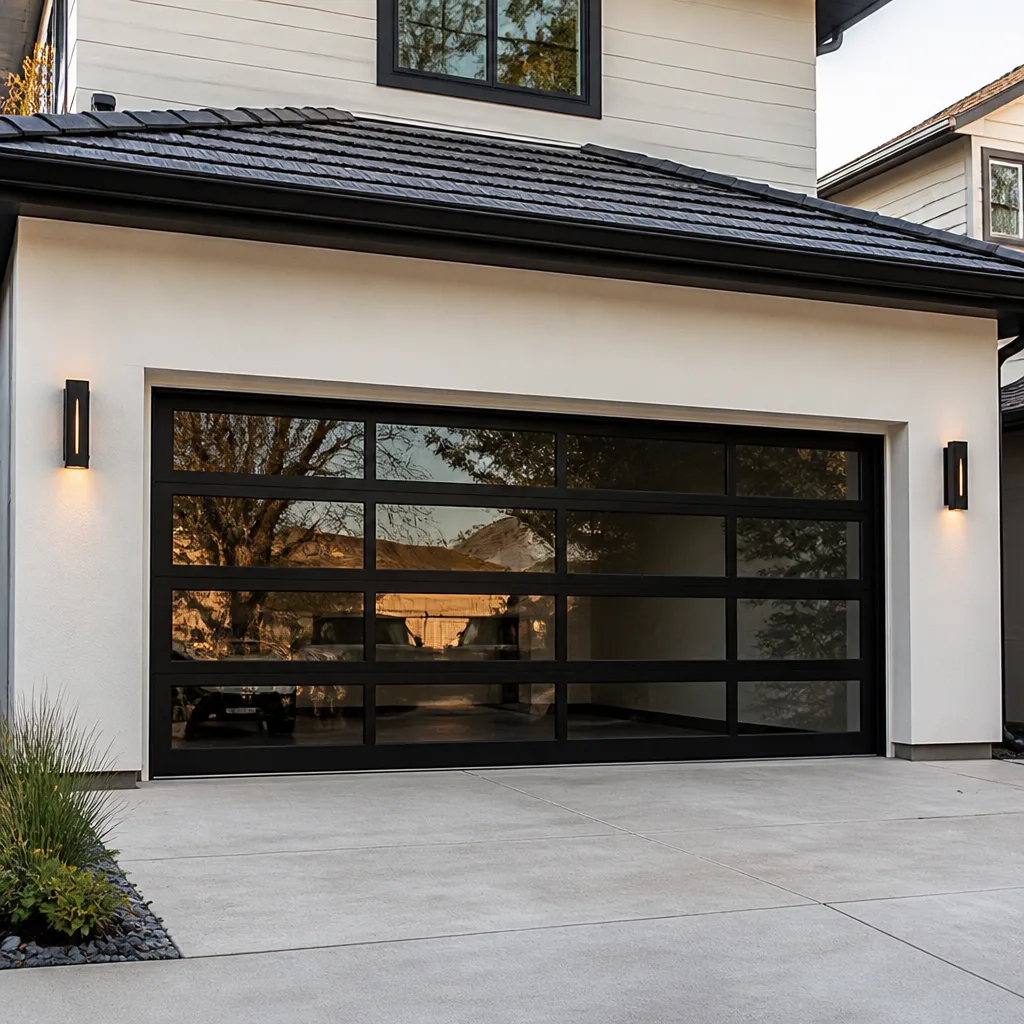 Full-view glass
 LiftMaster openers
 Chamberlain openers
Full 25-point door and opener safety check with every visit - springs, cables, rollers, tracks, and your LiftMaster or Chamberlain opener included
You get a price before we start. It does not change when the truck arrives.
Get your free estimateGarage Door Repair Maintenance Schedule: What to Do and When
Most maintenance guides for garage doors read like they were written for a different climate, with a different calendar in mind. They tell you to lubricate the springs every spring and fall, as if the door cares what month it is. A garage door doesn’t know the date. It knows cycles, temperature swings, and friction. In Norwalk, where a household might cycle a door six or eight times a day, a “seasonal” interval evaporates in about six weeks. This guide replaces the calendar with a cycle-and-condition-based schedule: what to check monthly, what to do every six months, what to leave to a technician, and why a mild climate actually accelerates certain kinds of wear that colder regions never see.
Styles & brands we work with
- Raised-panel steel
- Carriage house
- Modern flush
- Full-view glass
- LiftMaster openers
- Chamberlain openers
Quick Answer
A garage door maintenance schedule in Norwalk should be built around cycle counts, not calendar months. Monthly: perform a visual inspection, listen for new noises, and check the auto-reverse safety sensors. Semi-annually: lubricate hinges and rollers, test the door balance, and inspect weather seals. Annually: have a technician inspect springs, cables, and opener force settings, regardless of how the door looks or sounds. For most Norwalk households, that means spring or cable service within five to seven years of installation, not on a fixed seasonal calendar.
Table of Contents
- Why Calendar-Based Schedules Fail Garage Doors
- The Cycle Count: The Number That Actually Matters
- Norwalk’s Climate and What It Does to Your Door
- Monthly Tasks: Five Minutes, No Tools
- Semi-Annual Tasks: Twenty Minutes, Basic Supplies
- What a Technician Should Do Annually
- The Door Balance Test and What It Tells You
- Common Mistakes to Avoid
- When to Call a Professional
- Frequently Asked Questions
- The Bottom Line
Why Calendar-Based Schedules Fail Garage Doors
A torsion spring on a standard residential door is rated for roughly 10,000 cycles. A cycle is one full open and one full close. That rating doesn’t care whether those cycles happen over ten years or two. What matters is how often the door moves.
Think about a typical Norwalk household. Two working adults, maybe a teenager with a car. The door opens in the morning when the first person leaves. It closes. It opens again when the second person leaves. It closes. It opens when someone comes home midday. It closes. It opens when the teen comes and goes. It closes. That’s four cycles before dinner. By the end of the day, six to eight cycles is common for a busy household.
Now do the math. Eight cycles a day, every day, is about 2,900 cycles a year. A 10,000-cycle spring lasts about three and a half years at that pace. If you only lubricate and inspect in spring and fall, you’re checking the door twice a year while it’s logging nearly 3,000 cycles. The spring’s lifespan, the roller wear, the cable fatigue: those are all cycle-driven, not season-driven.
We’ve replaced springs in Norwalk homes where the door was only four years old. The homeowners were often surprised because the door “looked fine” and they’d done the seasonal lubrication their previous guide told them to. The door was fine. The spring was spent. A calendar schedule can’t predict that. A cycle count can.
This is the core problem with almost every generic garage door repair maintenance article online. It assumes a door is like a lawn or a water heater. But a garage door is your home’s largest moving part, and it moves more than anything else in the house. Its maintenance schedule needs to reflect that reality. In Norwalk, where many homes use the garage as the primary entry point, the cycle count climbs faster than in neighborhoods where the garage is storage and the front door is the main entrance.
The Cycle Count: The Number That Actually Matters
Everything that wears on a garage door wears by cycles. Springs cycle. Rollers spin. Cables flex. Hinges pivot. Even the opener motor and gear assembly accumulate run time in direct proportion to how many times the door travels. If you want a real maintenance schedule, start by estimating your household’s daily cycles.
How to Estimate Your Household’s Cycles
- Count one full day. Pick a normal weekday. Every time the door fully opens and fully closes, that’s one cycle. Count them from the time the first person leaves until the last person comes home.
- Add for weekends. Weekend days often have more cycles: errands, kids’ activities, yard work. If the garage door opens four times on a weekend day, count it. Don’t guess low.
- Multiply by 365. Your daily average times 365 is your annual cycle load. Six cycles a day is just under 2,200 a year. Eight is about 2,900. Ten is 3,650.
- Divide 10,000 by your annual number. That’s the expected spring lifespan in years for a standard torsion spring. At 3,000 cycles a year, the math says three to three and a half years. At 2,000 a year, it’s five.
This is an estimate, not a warranty. Some springs exceed their rating. Some fail early. But the estimate tells you when to start paying attention. If your household is at the high end, start listening for spring fatigue sounds and test the balance twice a year instead of once. If you’re at the low end, your maintenance intervals can stretch a little, but the visual checks should stay constant.
What the Cycle Count Predicts
- Torsion springs: 10,000-cycle rating is common. A matched pair is installed on most modern doors. When one fails, the other is usually close behind.
- Rollers: Nylon rollers last longer than steel, but both wear faster under high heat and dry conditions. In Norwalk’s summer heat, plastic bearing sleeves degrade faster than in cooler climates.
- Cables: Cables don’t have a formal cycle rating, but they fray where they wrap around the drum. Frequent cycling means more flexing at that stress point.
- Opener gears: The plastic gear inside many openers is another wear part. A household with ten cycles a day will wear out an opener gear faster than one with four.
If all this sounds like a countdown to failure, it’s more useful to think of it as a predictor of when maintenance attention should increase. A garage door doesn’t fail all at once. Springs lose tension gradually. Rollers get flat spots. Cables grow a few broken strands. The cycle count tells you when to look harder.
Norwalk’s Climate and What It Does to Your Door
Norwalk sits inland, away from the coast. That matters more than most homeowners realize. You don’t get the salt air that eats metal doors in beach cities. You also don’t get the persistent marine layer that keeps coastal neighborhoods cool and damp well into the afternoon. What you get instead is a dry, hot inland summer and a mild but cool winter. That specific pattern creates specific wear.
Summer afternoons in Norwalk regularly push metal door surfaces well above ambient temperature. A dark-colored steel door facing west can get hot enough to be uncomfortable to touch. That heat does two things. First, it accelerates the breakdown of plastic and nylon components: roller bearing sleeves, hinge bushings, weather seal material. Second, it causes the metal itself to expand and contract. Over years, this repeated thermal cycling can loosen hardware: track bolts, hinge screws, strut fasteners. None of this happens in one season. It accumulates.
Winter nights, by contrast, are mild but cool by local standards. A 40-degree night after a 90-degree summer afternoon isn’t a freeze-thaw problem. It’s an expansion-contraction problem. The door panel moves slightly. The hardware moves slightly. The total movement is tiny, but it’s repeated thousands of times over a decade. In our experience, loose track bolts and rattling panel hardware show up more often in Norwalk homes than in coastal ones, because the temperature swing is wider.
The practical takeaway for Norwalk homeowners: your door’s enemy isn’t rust or corrosion. It’s heat aging and thermal cycling. That changes what you look for during inspections. You’re not checking for salt pitting on the tracks. You’re checking for dry, cracked rollers, brittle weather seals, and hardware that has walked loose. You’re also checking for a door that has gotten slightly out of square because the panel expanded and contracted against the track so many times.
For homeowners in Norwalk, this means semi-annual maintenance is not optional. In a mild climate, a neglected door will still fail: it just fails from heat-aged components rather than rusted ones.
Monthly Tasks: Five Minutes, No Tools
Monthly maintenance is about noticing change. You’re not fixing anything. You’re establishing a baseline so that when something shifts, you catch it early. These checks take about five minutes and require no tools.
- Open and close the door once, standing inside the garage. Watch the door travel. It should move smoothly, without hesitation at any point in the track. Listen. A new squeak, rattle, or creak that wasn’t there last month is the earliest sign of wear.
- Look at the rollers. The rollers that ride in the vertical tracks are visible without disassembly. Look for cracked nylon, flat spots, or visible wobble. A roller with a flat spot creates friction, which loads the spring and opener unevenly.
- Check the weather seal along the bottom. Run your hand along the bottom seal with the door closed. Look for gaps where daylight shows through, cracks in the rubber, or sections that have pulled away from the retainer. Minor gaps are a signal to schedule replacement, not an emergency.
- Test the auto-reverse. Place a piece of scrap wood or a roll of paper towels flat on the floor under the door’s path. Close the door. It should reverse within a second or two of contacting the object. This is a safety check required on all doors manufactured since the early 1990s, and a door that fails it needs professional attention promptly.
- Look at the cables. On a standard torsion system, the lift cables run vertically on each side of the door. Look for fraying, especially near the bottom brackets and the drum at the top. If you see broken strands, stop using the door and call a technician. Cables under tension can cause serious injury if they release.
None of these checks requires touching the spring or cable system, and that’s deliberate. Torsion springs are under enough tension to cause serious injury or death if mishandled. Your job at the monthly check is observation, not adjustment. If you spot something, call someone who works on your specific brand and configuration daily.
Semi-Annual Tasks: Twenty Minutes, Basic Supplies
Twice a year, you move from observation to light maintenance. These tasks take about twenty minutes and require only basic supplies: a silicone or white lithium spray lubricant, a rag, and a socket set for tightening hardware. Note what you will not need: WD-40, grease, or a ladder to reach the torsion springs.
- Lubricate the rollers. Use a silicone or white lithium spray. Don’t lubricate the track itself. Modern nylon rollers run on ball bearings inside the wheel; apply lubricant to the bearing area, not the track surface. Lubricating tracks is a common mistake. It makes the track slippery, which reduces traction and forces the opener to work harder.
- Lubricate the hinges. Each hinge pivot has a pin. Spray a small amount on each pin, then cycle the door once to work the lubricant in. Wipe away any excess with a rag.
- Tighten track bolts and hinge screws. Use a socket set on the track brackets where they attach to the wall and ceiling. Tighten the screws holding each hinge to the door panel. In Norwalk’s temperature swings, these loosen over time. Snugging them twice a year prevents the rattles that lead to larger alignment problems.
- Test the door balance. Pull the emergency release handle to disconnect the opener. Manually lift the door to about waist height and let go. A balanced door stays in place. A door that drops or rises has a spring tension problem. Reconnect the opener after the test. (Full instructions below.)
- Inspect the weather seal and top seal. The bottom seal gets the monthly check. Semi-annually, also inspect the seal along the top of the door and the side jambs. In hot, dry weather, these rubber and vinyl components harden and crack. A cracked top seal lets outside air and insects into the garage.
If any of these tasks reveal a problem, don’t improvise a repair. A roller replacement on a torsion spring system requires safely de-tensioning the spring. A balance problem means the spring is nearing the end of its service life. These are jobs for a technician with brand-specific knowledge of the system.
The Door Balance Test and What It Tells You
The balance test is the single most informative maintenance check a homeowner can perform. It tells you, without special tools, how much lift the springs are actually providing. That number drifts downward as the spring fatigues.
Here’s the correct procedure:
- Close the door completely. Leave the opener plugged in for now.
- Pull the emergency release handle. It’s the red cord hanging from the opener rail. Pull it straight down and back toward the door. This disconnects the door from the opener carriage.
- Lift the door manually to about waist height. Use the handles or the bottom rail. If the door lifts easily and stays where you leave it, the springs are doing their job.
- Let go. If the door stays in place, the balance is correct. If it drops, the springs have lost tension and are under-lifting the door. If it rises, the springs are either over-tensioned, or the door has lost weight (rare, but possible if a panel has been replaced or a strut removed).
- Move the door to half-open. Repeat the test at a second position. Some doors balance well at one height and poorly at another, which indicates uneven spring wear.
- Reconnect the opener. Pull the release handle again, or press the wall button. The carriage will reattach on the next cycle.
What an out-of-balance result actually tells you: vertical torsion springs lose tension as they approach the end of their service life. A door that drops from waist height has springs that are no longer counterbalancing the door’s full weight. A door that rises is less common on a standard two-spring setup, and more often indicates the springs were over-wound during a previous repair or replacement. Either way, the result is meaningful only if you act on it. A door that’s been out of balance for months forces the opener motor to lift more weight than it was designed for. That shortens the opener’s life and accelerates the spring’s remaining fatigue.
The balance test is safe to perform. You’re lifting the door manually, not touching the springs. But if the test shows a problem, the correction involves winding or unwinding a torsion spring. That’s not a homeowner task, and it’s not something to learn from a video. A torsion spring is under tension at all times. If it releases while you’re working on it, it can break bones or worse. We recommend calling a technician for any spring adjustment, and that recommendation isn’t a sales pitch. It’s the same thing we’d tell a neighbor.
What a Technician Should Do Annually
Once a year, regardless of what the balance test and visual inspections show, a professional should go through the door. There are things a technician can see and measure that a homeowner can’t, and there are components that wear even when the door passes every casual check.
A thorough annual service from a garage door specialist should include:
- Spring inspection. Look for rust, gaps in the coil, and signs of fatigue. A spring that’s lost its finish or shows uneven coil spacing is nearing failure. On a LiftMaster or Chamberlain-installed door, the spring may be color-coded or have a rating marking that tells the technician its cycle count and expected lifespan.
- Cable inspection. Run the full cable length, looking for fraying, flattening, or damage at the drum and bottom bracket. A worn cable on a torsion system is a failure waiting to happen: when it lets go, the door drops unevenly.
- Opener force and travel settings. Every opener has a force adjustment: how hard it pushes before reversing. Openers from LiftMaster, Chamberlain, and Genie all have slightly different adjustment procedures and settings. A technician who works on those brands regularly can set the force correctly so the door reverses with the right resistance. An opener set too high is a safety hazard. One set too low will reverse when it shouldn’t.
- Track alignment and squareness. Measure the gap between door and track on each side. Check that the tracks are plumb and parallel. Adjust if needed.
- Hardware tightening. Every bolt, nut, and screw on the door, tracks, and opener. This takes ten minutes with the right tools and prevents most mid-cycle rattles and binding.
- Safety system verification. The auto-reverse from the monthly check gets a proper test with a calibrated gauge, plus a check of the photo-eye sensors. On doors from Clopay, Amarr, and Wayne Dalton, sensor alignment is sometimes thrown off by panel movement or track vibration.
The value of the annual visit is not that the technician finds something broken. It’s that the visit catches the component that’s about to break. In our experience in Norwalk, the most common homeowner surprise is a cable with three broken strands showing on a door that still opens and closes normally. That door works fine, right up until it doesn’t. The annual visit is how you avoid finding out about the cable on a Sunday evening when the door won’t open.
For garage door opener repair, the annual check is especially important. A well-maintained door extends the opener’s life. A neglected door shortens it.
Common Mistakes to Avoid
- Lubricating the track. The rollers ride in the track, but the track surface should be dry. Grease or oil on the track attracts dust and grit, which becomes an abrasive paste. The result is a door that moves harder, not easier, and rollers that wear out faster.
- Using WD-40 on torsion springs. WD-40 is a solvent and a water displacer. It’s not a lubricant for this application. It strips what little protective coating the spring has and leaves it more exposed to rust. Use a white lithium spray or a dedicated spring lubricant applied sparingly.
- Ignoring a minor weather seal gap. A one-inch gap at the bottom of the door in Norwalk’s hot summers lets conditioned air out and dust in. But more than that, it lets insects and rodents into the garage. In a city with hot, dry summers, a small seal gap can mean a pest problem by August.
- Adjusting the springs yourself. Torsion springs are dangerous. There is no version of this task that is safe for a homeowner without the proper winding bars and training. The cost of a professional spring adjustment is nothing compared to the risk of serious injury.
- Replacing one spring instead of the pair. On a two-spring door, both springs have the same cycle count. If one has failed, the other is close behind. Replacing both at once costs more in the moment, but it’s the correct repair, and any garage door specialist in Norwalk will tell you the same. Replacing one spring means paying for the second installation in six months, plus another service call.
- Relying on the calendar instead of the cycle count. You can do all the spring and fall maintenance in the world, and it won’t stop a 10,000-cycle spring from reaching the end of its life. The calendar is a reminder to check. The cycle count is the number that matters.
When to Call a Professional
Some maintenance tasks are yours. Some are not. The dividing line is tension and wiring. If a job involves the torsion spring, the lift cables, the opener’s circuit board or motor, or the safety sensor wiring, it belongs to a technician. Those components are under tension or current, and the cost of a mistake is injury.
Call a professional when you see broken cable strands, a spring with a visible gap or that has snapped, a door that won’t reverse on obstruction, an opener that runs but doesn’t move the door, or a balance test that fails. Also call if you hear a new grinding, popping, or banging sound during operation that wasn’t there last week. These are failure signs, and ignoring them doesn’t make the repair cheaper. In a Norwalk household with six to eight cycles a day, a failing component is being stressed a hundred times a week.
Garage Door Service Norwalk offers free estimates in Norwalk and works on doors and openers from LiftMaster, Chamberlain, Genie, and Clopay, plus the rest of the major brands. Same-day diagnosis is available when you need the door fixed now. Call (833) 589-9971. We answer 24/7. Fast dispatch from 7am to 7pm, Sunday through Friday.
Frequently Asked Questions
Lubricate the rollers and hinges twice a year, regardless of season. In Norwalk’s hot, dry summers, plastic and nylon components dry out and become brittle faster than in more humid climates, so your spring and fall lubrication matters more for heat aging than for rust prevention. If the door starts squeaking between scheduled lubrications, lubricate it then rather than waiting.
A standard torsion spring rated for 10,000 cycles lasts three to five years in a typical Norwalk household. The exact number depends on your daily cycle count: a two-driver household with kids may log 2,500 to 3,000 cycles a year, which means spring replacement within three to four years. A single-person household with lower usage may get seven years or more. The cycle count, not the calendar, determines spring life.
No. The track should stay clean and dry. Lubricant on the track surface creates a paste with dust and grit, which increases roller wear and makes the door work harder. Lubricate the roller bearings and the hinge pins, not the track itself. If the track is dirty, wipe it clean with a dry rag.
The most reliable test is the door balance check. Disconnect the opener, lift the door manually to waist height, and let go. A door that drops has weakened springs. Other signs include a door that opens slowly, a visible gap in the spring coil, or a loud bang from the garage when a spring snaps. Any of these means the springs need replacement, and both springs on a two-spring door should be replaced together. Call (833) 589-9971 for a quote, estimates are free.
The most likely cause is an incorrect force or travel setting on the opener. The opener thinks it has reached the floor before it actually has, and reverses. Other causes include a bent track, an obstruction in the photo-eye path, or a failing logic board. This is an opener adjustment issue that a technician familiar with your brand’s settings can fix quickly. Call (833) 589-9971 for a free estimate.
Yes. Annual service catches the components that wear invisibly: cable strands fraying at the drum, spring coils losing tension, opener force settings drifting too high. In Norwalk’s climate, heat aging degrades plastic and rubber parts even when the door operates smoothly. The annual check is how you avoid a failure that leaves the door stuck on a Sunday. It’s cheaper than a repair, and it’s the only way to know what condition the door is actually in.
The Bottom Line
A garage door maintenance schedule that follows the calendar is a schedule built on nothing. The components that wear, the springs, the rollers, the cables, the opener gear, all wear by cycle count. A busy Norwalk household should be checking the door monthly, lubricating and testing balance twice a year, and giving it to a professional once a year regardless of how it looks. In this climate, heat aging is the silent adversary: cracked rollers, brittle seals, loosened hardware. The good news is that all of it is catchable early. The bad news is that none of it catches itself. Run the five-minute check once a month. Run the twenty-minute check twice a year. And when the balance test fails or the cables show a single broken strand, call a technician who knows your equipment. For Norwalk homes, the garage is the front door. Treat it that way.
Written by the team at Garage Door Service Norwalk, serving Norwalk since 2014.
See the difference
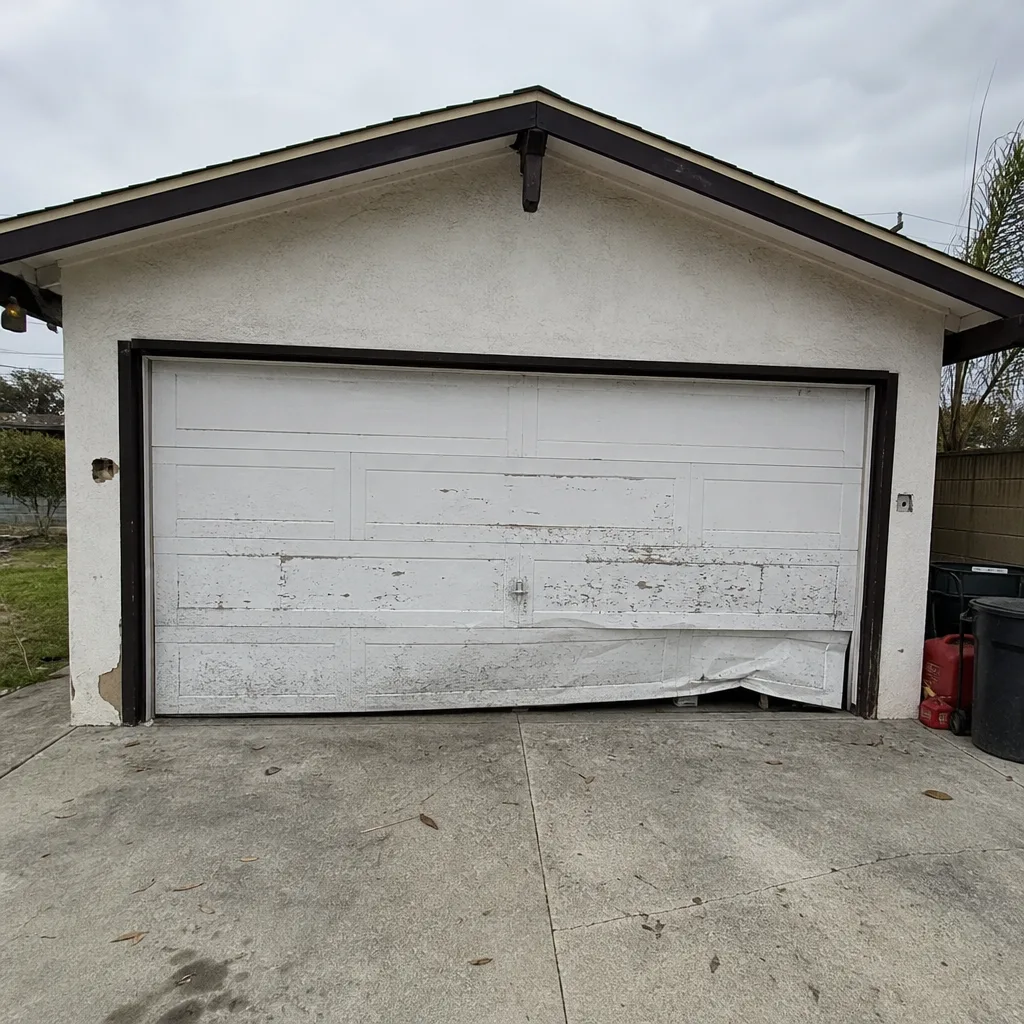 Before
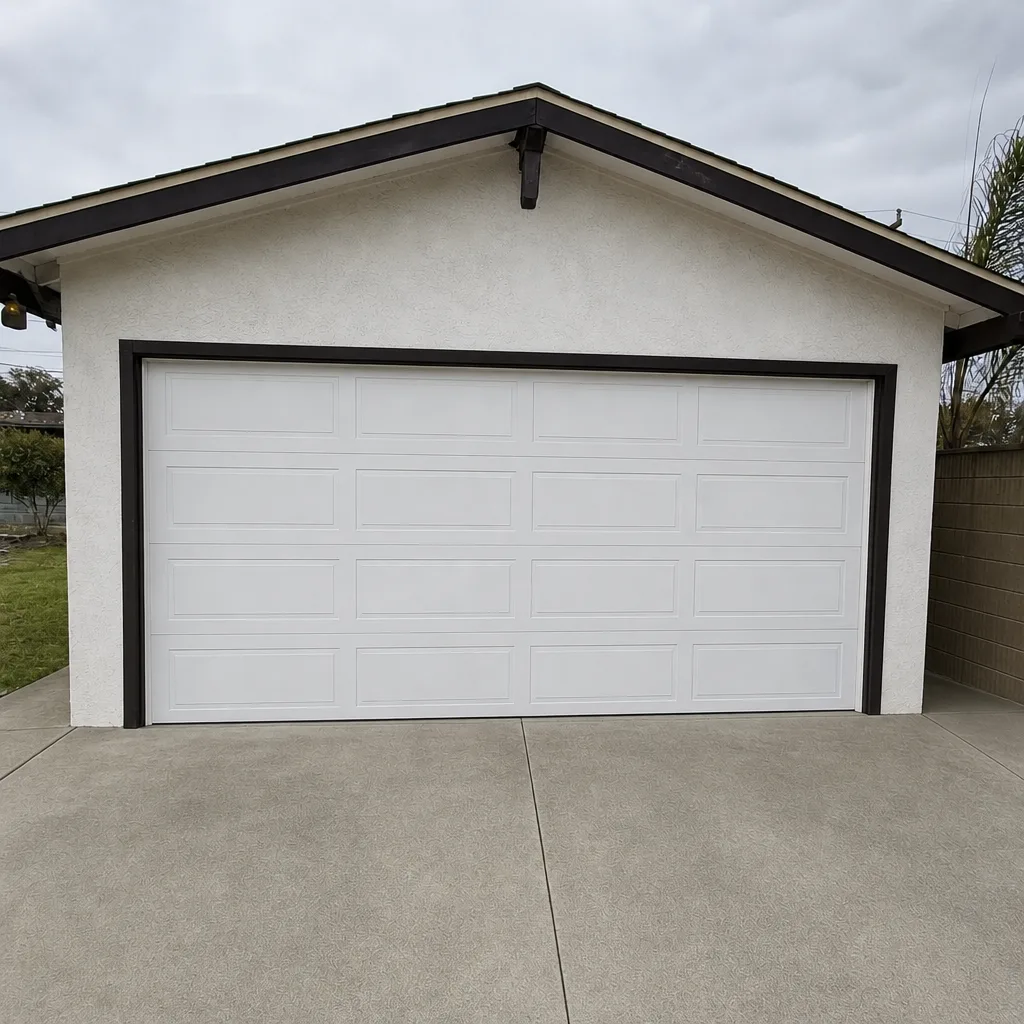 After
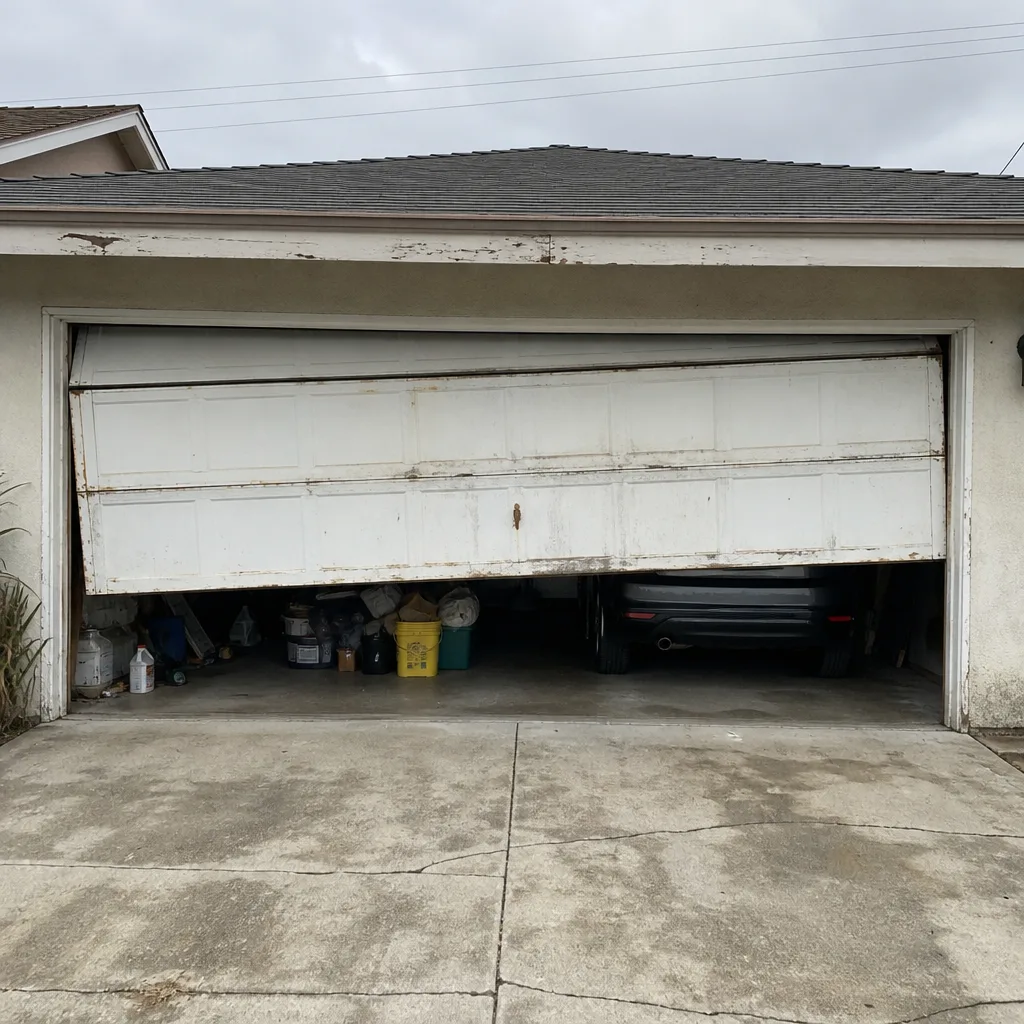 Before
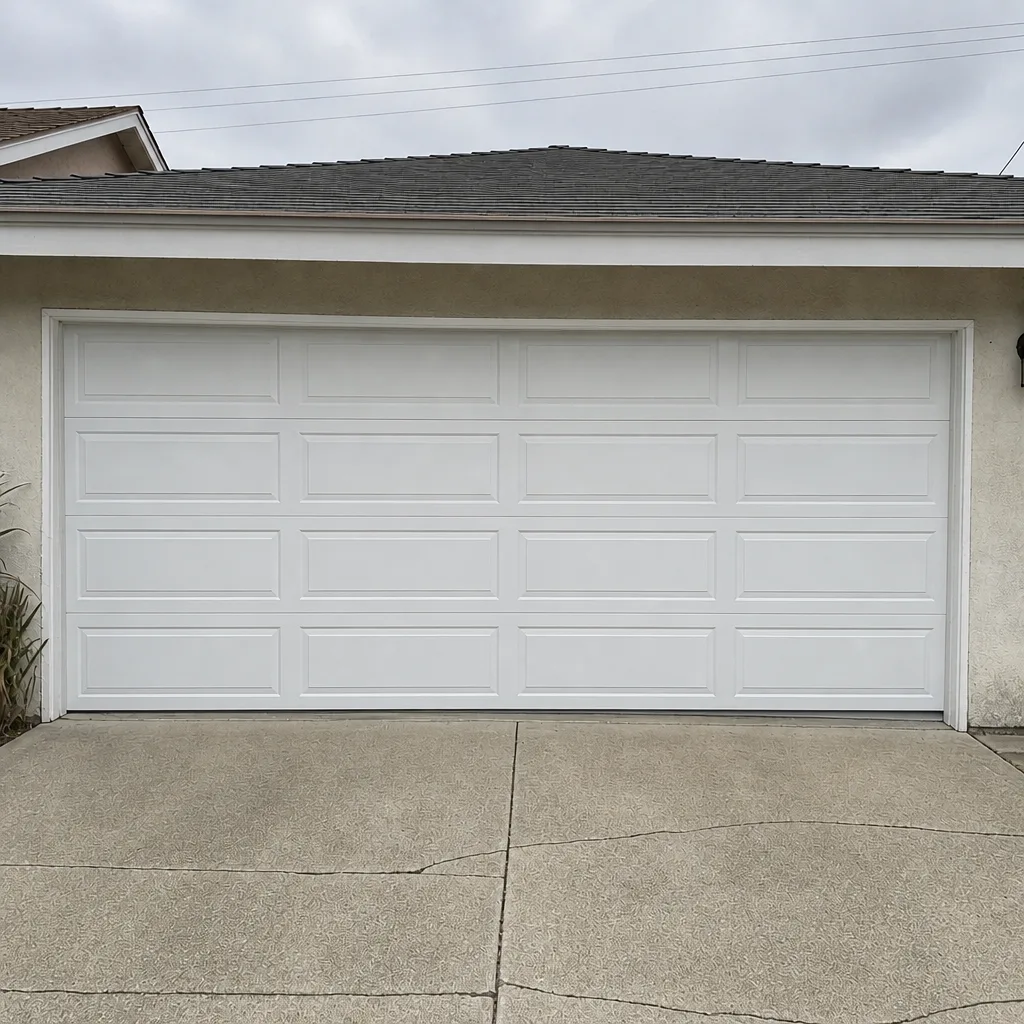 After
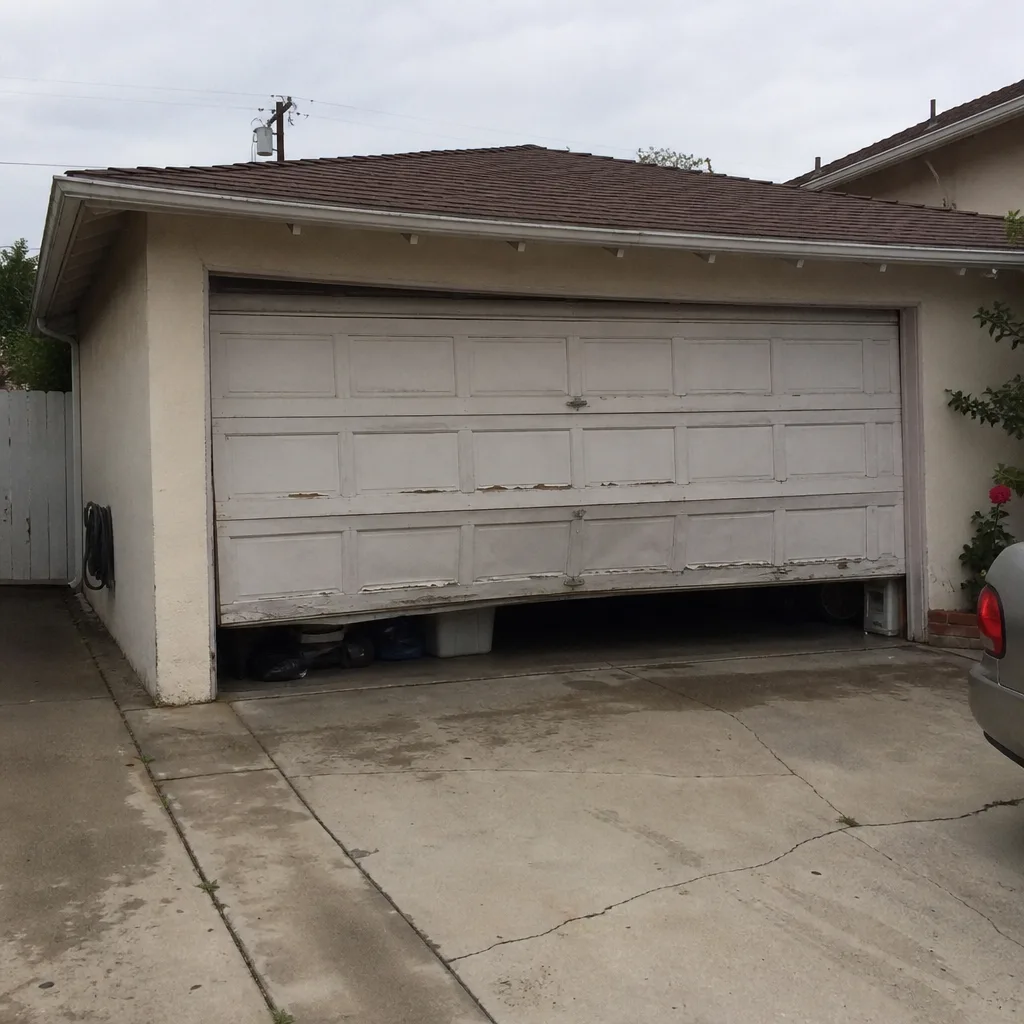 Before
 After