
Last updated November 4, 2026
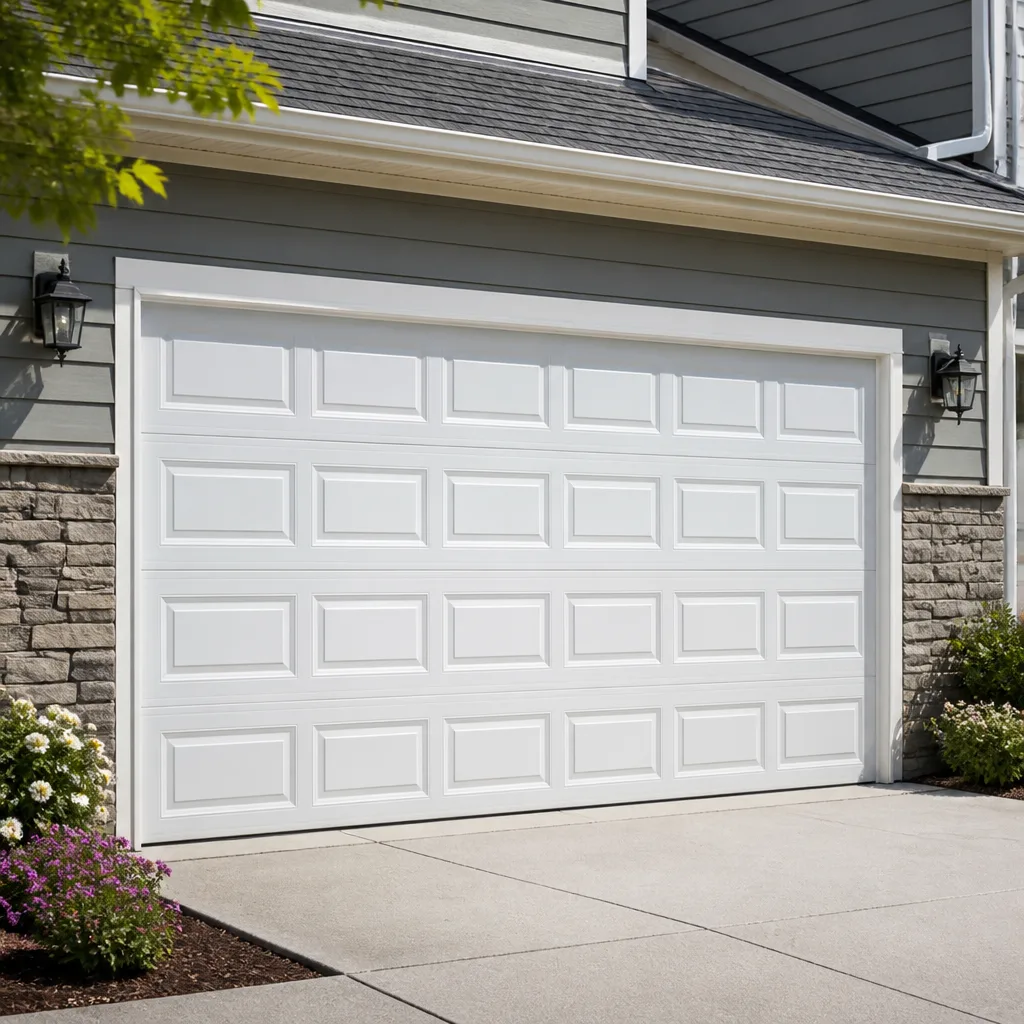 Raised-panel steel
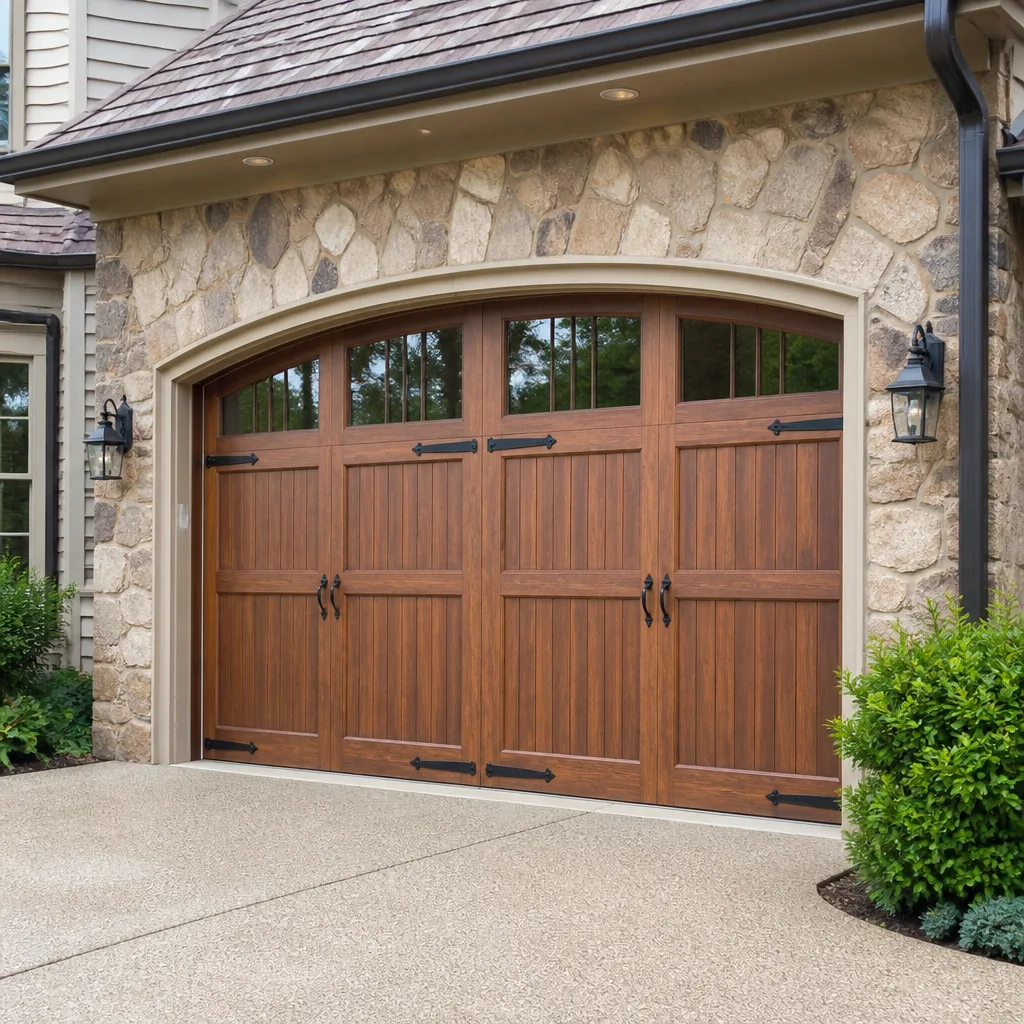 Carriage house
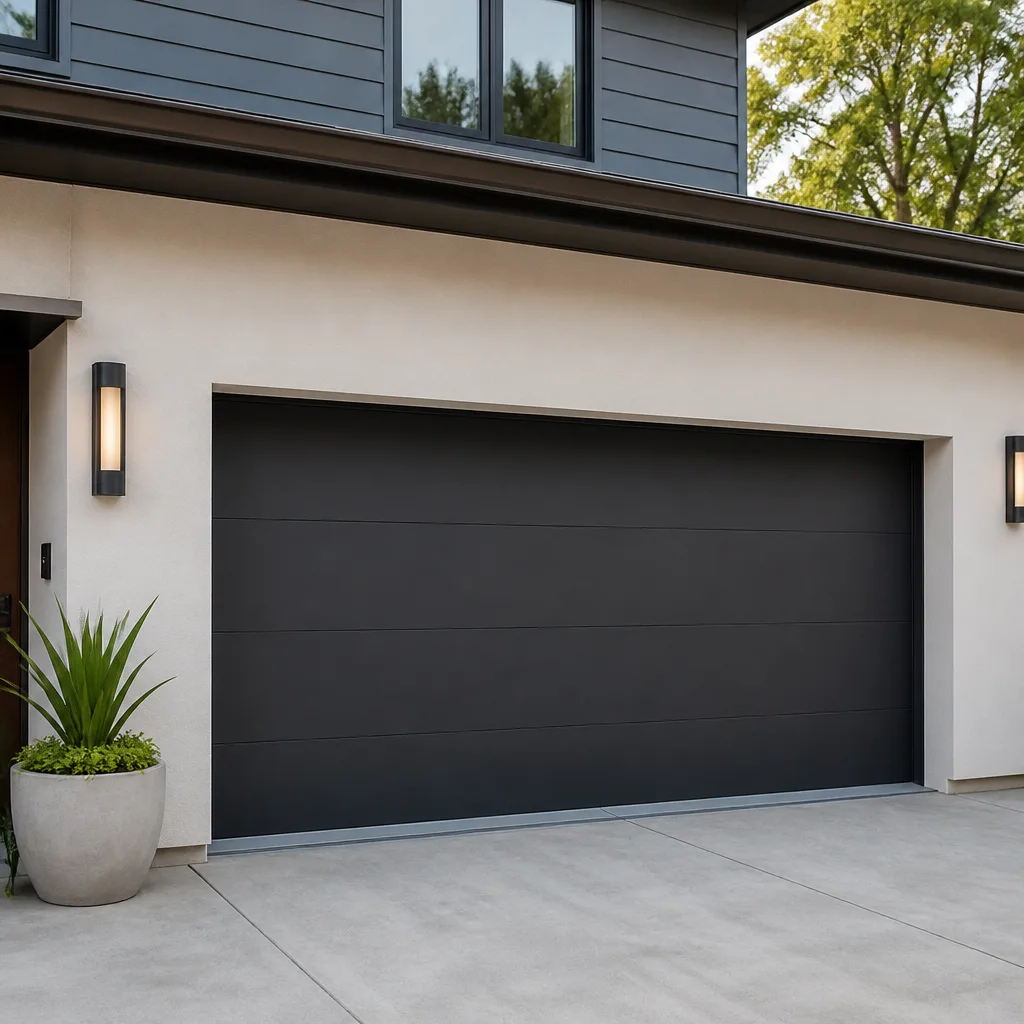 Modern flush
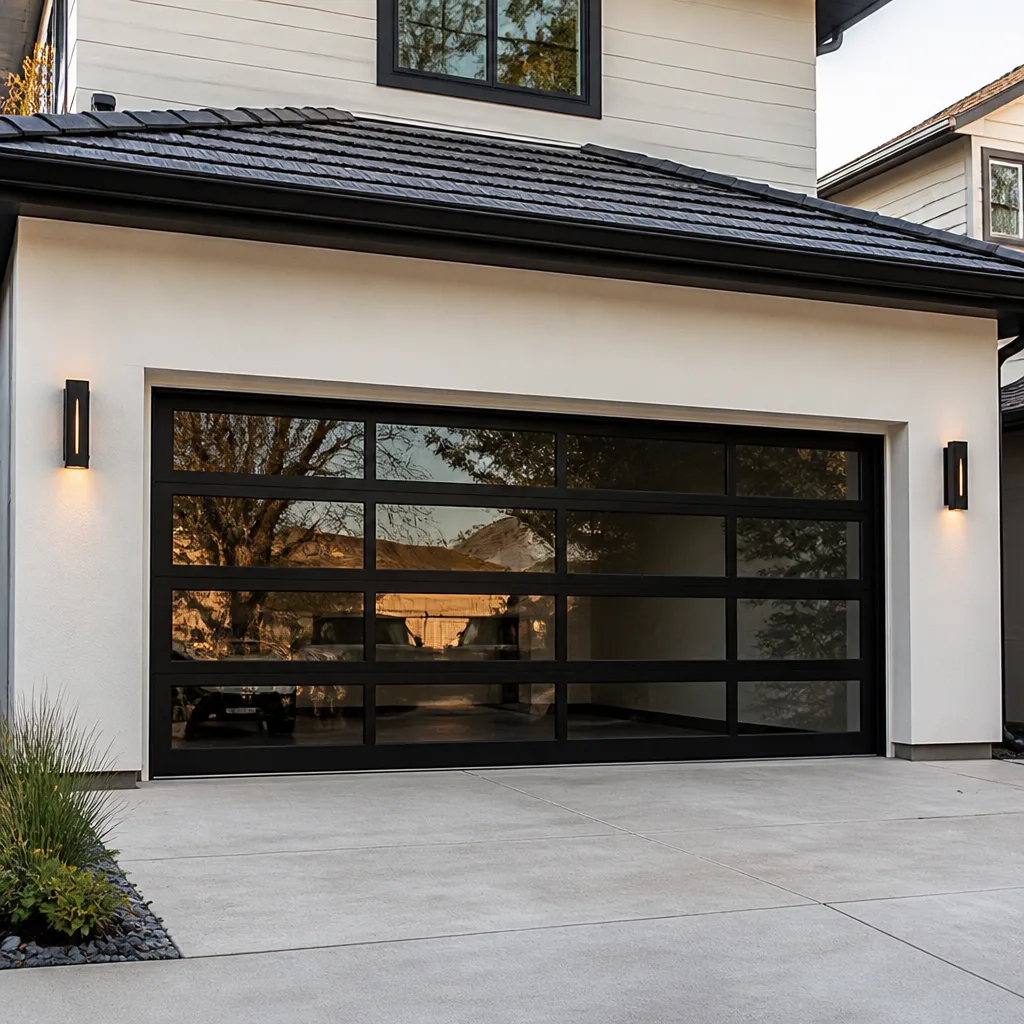 Full-view glass
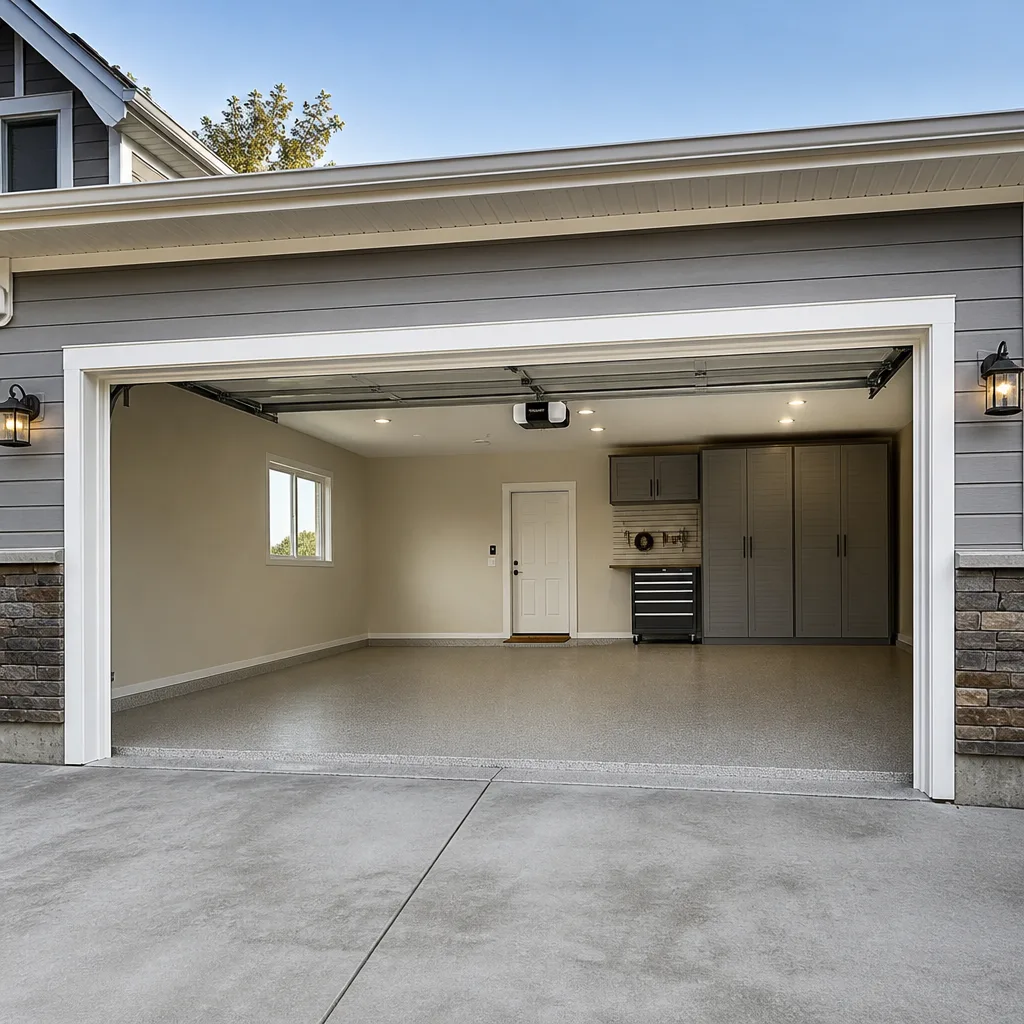 LiftMaster openers
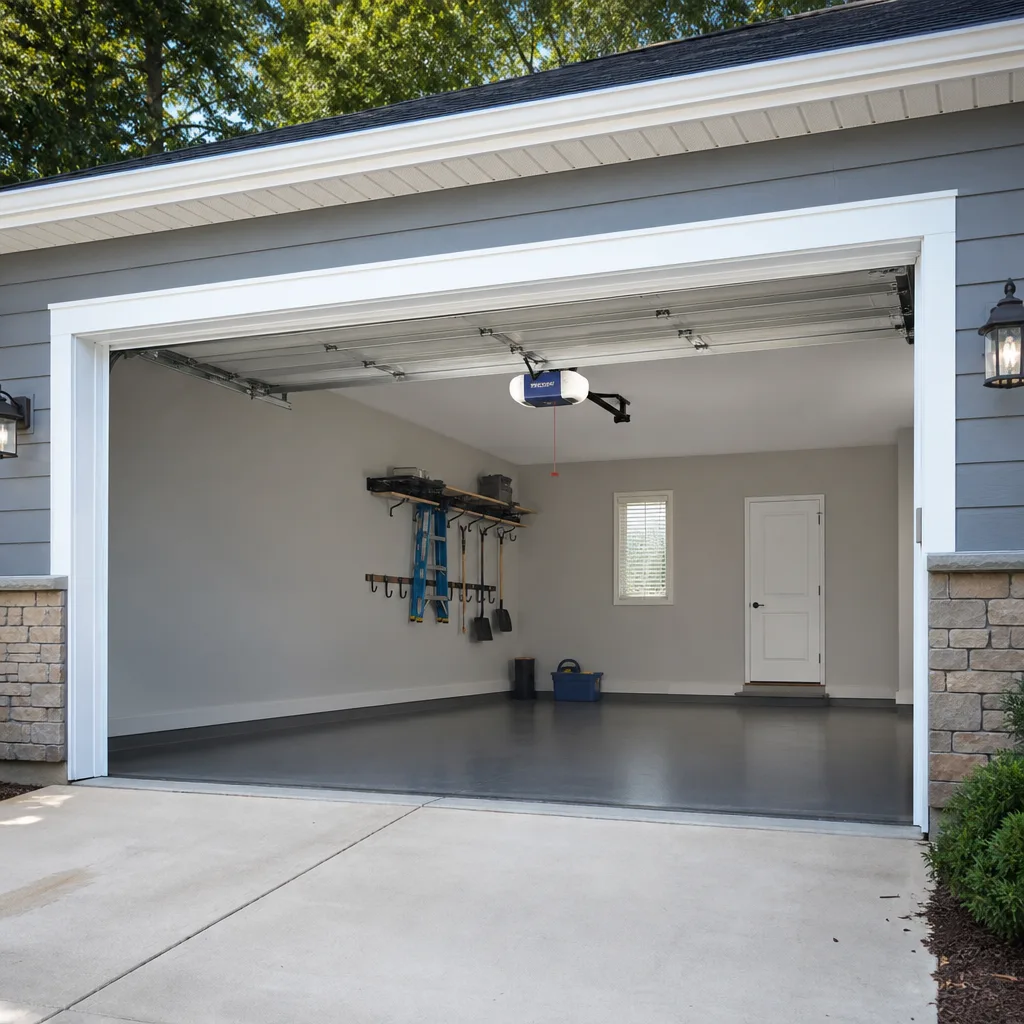 Chamberlain openers
Full 25-point door and opener safety check with every visit - springs, cables, rollers, tracks, and your LiftMaster or Chamberlain opener included
You get a price before we start. It does not change when the truck arrives.
Get your free estimateGarage Door Permits, Codes & Inspections in Norwalk, CA: What You Need to Know
Most Norwalk homeowners assume a garage door replacement is a simple swap, no different than changing a water heater. That assumption holds until the day a title search flags the work as an unpermitted improvement. A door that never went through the City of Norwalk’s permit process can stall a sale, trigger a retrofit order, and carry costs far beyond the original job. This guide explains exactly when a permit is required, what California Title 24 and LA County seismic rules actually mandate, how the inspection works, and the path back to compliance if work was done without one. Norwalk sits in a specific regulatory layer that most generic garage door guides never address.
Styles & brands we work with
- Raised-panel steel
- Carriage house
- Modern flush
- Full-view glass
- LiftMaster openers
- Chamberlain openers
Quick Answer
A garage door replacement in Norwalk, CA typically requires a building permit when the opening is being modified, the door is part of new construction or an addition, or structural members are altered. A like-for-like swap of a sectional door on an existing opening usually does not require a permit, though California Title 24 energy requirements can change that for full replacements of uninsulated doors. When a permit is triggered, the City of Norwalk or LA County inspector will check structural anchoring, opener bracing, safety reverse mechanisms, and energy compliance before signing off.
Table of Contents
- When Does a Garage Door Need a Permit in Norwalk?
- California Title 24 and Garage Door Insulation Requirements
- LA County Seismic Rules for Garage Door Openers
- What Work Is Exempt From a Norwalk Permit?
- What the Inspection Process Actually Covers
- How to Retroactively Permit Work Done Without One
- What Norwalk Permits and Compliance Work Cost
- Common Mistakes to Avoid
- When to Call a Professional
- Frequently Asked Questions
- The Bottom Line
When Does a Garage Door Need a Permit in Norwalk?
The City of Norwalk follows the California Building Code with local amendments, and the permit trigger depends on what you are actually doing. A building permit is required when the work changes the structure, not when it simply refreshes a component. That distinction drives most of the confusion.
Here are the project types that trigger a Norwalk building permit:
- New garage construction – any new detached or attached garage requires a full permit set, with the door included in the plan review.
- Garage additions or conversions – expanding an existing garage or converting it to living space requires a permit, and the door or wall replacement is part of that scope.
- Modifying the rough opening – widening, heightening, or otherwise altering the framed opening is structural work. That is a permit every time.
- Full door replacement where the opening changes – going from a single door to a double door, or moving the door location, requires a permit and an inspection.
- Adding a second garage door – cutting a new opening in a load-bearing wall is structural and needs a permit.
What does not require a permit is a same-size sectional door replacement on an existing, unmodified opening. Swapping a 16×7 door for another 16×7 door, even a different brand, is generally considered a like-for-like replacement. That said, the City of Norwalk’s building department is the authority, and it is worth a phone call to confirm. We always recommend asking the city before starting, because the cost of the question is zero and the cost of guessing wrong is not.
California Title 24 and Garage Door Insulation Requirements
California’s Title 24 energy code applies to garage doors in specific situations, and this is the piece most Norwalk homeowners only learn about at inspection. The rule matters most for new construction, additions, and full replacements where the garage is conditioned or attached to conditioned space.
A garage door in a new build or a full replacement on an attached garage may be required to meet a minimum insulation standard. Doors rated with an R-value meet this by design. An uninsulated single-layer steel door does not. Title 24 compliance is documented through the door’s rated R-value, and the inspector verifies it against the approved plans. Norwalk’s inland climate means the energy argument is about heat gain in summer rather than cold intrusion in winter, but the code does not care about the reasoning; it cares about the rating.
We see this bite homeowners who buy a cheap uninsulated door online, install it on an attached garage, and then discover during a resale inspection that the door does not meet the Title 24 standard recorded for the property. The fix is replacing the door again, this time with a compliant insulated door. If you are replacing an old wooden or uninsulated door on an attached garage, ask the Norwalk building department whether the replacement must carry an R-value rating before you buy anything. Working with a company like Garage Door Service Norwalk means the door is matched to code requirements from the start, not after the invoice.
LA County Seismic Rules for Garage Door Openers
Los Angeles County has seismic bracing requirements that affect garage door openers, though they are simpler than most people expect. The primary requirement is not a special bracket; it is that the opener be installed per the manufacturer’s listed instructions and secured to structural framing, not drywall alone. For homes in certain seismic zones, the county may also require that the door be capable of disconnecting from the opener quickly after an event.
The automatic disconnect mechanism is standard on virtually every modern opener. When the opener carriage releases from the door, the door can be lifted manually. This is the feature inspectors check: does the red emergency release work, and is it reachable without a ladder. LiftMaster and Craftsman openers sold for residential use include this by default, and any competent garage door opener repair technician verifies it during service.
What an inspector will look at on an opener installed within Norwalk:
- Mounting – the opener motor must be lag-bolted into ceiling framing or blocking, not into drywall anchors.
- Safety reversal – the door must reverse when it contacts a 2×4 laid flat under the door, and the photo eyes must reverse the door from the floor to the header.
- Emergency release – the red handle must disconnect the door from the drive rail and allow manual operation.
- Bracing for tall doors – for doors over standard height, additional horizontal struts may be required on the top section to resist racking. The inspector will look for them.
- Electrical connection – the opener must be on a properly grounded, dedicated circuit where local amendments require one.
What Work Is Exempt From a Norwalk Permit?
Not every garage door job in Norwalk requires a permit. The California Building Code and the City of Norwalk both recognize that certain maintenance and repair work is genuinely exempt, and it is useful to know exactly where those lines sit.
Work that typically does not require a building permit:
- Spring replacement – replacing a broken torsion or extension spring on an existing door is a repair. No permit is required, though this is high-tension component work that belongs in the hands of someone who works on these systems professionally.
- Panel section replacement – replacing one or two damaged sections of an existing sectional door, without changing the opening, is generally exempt.
- Opener replacement – swapping a garage door opener for a new one on an existing door does not require a permit in most single-family residential applications. The opener is an appliance, not a structural element.
- Cable, roller, and hinge replacement – wear parts are maintenance items. No permit needed.
- Weather seal and track adjustment – routine upkeep falls outside the permit scope.
The common thread: nothing about the building’s structure, fire rating, or energy envelope changes. The moment any of those three things are touched, the exemption no longer applies and a permit becomes the safe path. For straightforward garage door repair in Norwalk, the city’s rules do not stand in the way of a same-day fix.
What the Inspection Process Actually Covers
When a permit is pulled for a garage door installation in Norwalk, the inspection is a defined sequence. Here is the step-by-step of how it goes, based on the standard process for residential door work.
- Permit application – the homeowner or contractor submits the project description to the City of Norwalk building department. For a door replacement with an unchanged opening, this is often a simple over-the-counter permit. For new construction or structural work, it goes through plan review.
- Fee payment – the permit fee is calculated based on the project valuation. A simple door replacement permit is typically a flat fee in the low hundreds of dollars. Structural work is more.
- Installation – the door is installed according to the approved plans and the manufacturer’s instructions. The installer leaves the job site clean and the door functional.
- Inspection request – once the work is complete, the permit holder calls the city to schedule the inspection. Norwalk inspections are typically scheduled for a window, not an exact time.
- Field inspection – the inspector arrives and checks the door, opener, and surrounding structure against the permitted scope. They are looking at structural anchoring, the functioning of the door travel and reversal, the R-value on the door if energy code applies, and the fire separation requirements if the garage is attached to the home.
- Correction or approval – the inspector either passes the work and signs the permit, or writes a correction notice. Corrections must be made and a re-inspection scheduled. Once approved, the permit is closed and recorded.
Most garage door inspections in Norwalk are straightforward if the installer knew what the inspector was going to check before the door went in. That foreknowledge is why it matters who does the work. A technician familiar with Norwalk’s inspection checklist builds compliance into the install, rather than treating the inspection as a surprise.
How to Retroactively Permit Work Done Without One
If a garage door was replaced in Norwalk without a permit and the work should have had one, the situation is fixable. The process is called retroactive permitting, and it exists precisely because unpermitted work is common enough that every city needs a path back to compliance.
The process works like this:
- Stop and assess – determine whether the work actually needed a permit. If it was a like-for-like sectional replacement, it may not have. If the opening changed or the garage was built or converted, it did.
- Contact the Norwalk building department – explain the situation honestly. The city has dealt with unpermitted work thousands of times and will lay out the specific path for your project.
- Submit a retroactive permit application – you will describe the work as-built, and the city will tell you what plans or documentation are needed. For a simple door replacement, this is usually a one-page form. For structural work, it may require drawings.
- Schedule the inspection – the inspector will come out and verify the work meets current code. If it does not, you will receive a correction list.
- Make the corrections – a common correction is adding fire-rated separation material, reinforcing a header, or replacing an uninsulated door with a Title 24-compliant unit.
- Close the permit – once approved, the work is documented and the title cloud is removed.
The cost of retroactive permitting in Norwalk is the permit fee plus whatever corrections are ordered. A simple door with no corrections might close for a few hundred dollars. A door that fails Title 24 or structural review could require a full replacement, which is when the cost climbs into the thousands. The alternative is leaving the work unpermitted and disclosing it at sale, which some sellers choose but which gives buyers a negotiation lever and delays closing.
What Norwalk Permits and Compliance Work Cost
Cost is the question everyone asks, and the answer is a range, not a single number. Norwalk’s fee schedule is based on project valuation, and a garage door permit is not the most expensive permit you will ever pull, but it is also not free.
Typical cost ranges for Norwalk garage door compliance work:
| Item | Typical Estimated Cost |
|---|---|
| Simple door replacement permit (no structural work) | $150 – $400 |
| Retroactive permit with no corrections | $150 – $500 |
| Re-inspection fee after a failed inspection | $75 – $200 |
| Title 24-compliant insulated door (16×7, installed) | $1,100 – $2,800 |
| Reinforcing a header or opening to current code | $800 – $2,500 |
| Full opening modification with new door and permit | $1,800 – $4,500+ |
These are estimates for planning purposes. Every job gets a written quote before any work starts, and the written estimate is the price. The most expensive line item is almost always the correction work required to bring an existing non-compliant installation up to current code, not the permit itself.
Common Mistakes to Avoid
- Assuming all door replacements are exempt. The like-for-like exemption is real, but it disappears the moment the opening changes, the garage is attached, or the door is part of a larger remodel. Ask the city before you buy a door.
- Buying an uninsulated door for an attached garage. Title 24 can require an R-value on the door, and buying the cheapest steel panel on the market can fail a resale inspection. Check compliance before the order is placed.
- Installing an opener without checking the emergency release. LA County inspectors look for functioning manual disconnect. If the release handle is missing or the door cannot be lifted by hand, the inspection will not pass.
- Treating the inspection as a formality. A Norwalk inspector will test the door’s reversal force, the photo eyes, and the opener bracing. Skipping any of these means a correction notice and a re-inspection fee.
- Leaving unpermitted work undocumented. When the home goes on the market, the title search will find it. A retroactive permit is always cheaper before the sale than after the buyer’s inspection.
- Pulling the permit yourself without a contractor who knows the checklist. The permit is the easy part. The correction list from a failed inspection is where the cost and delay come from. Use someone who has done Norwalk inspections before.
When to Call a Professional
A permit question is not something to workshop with a neighbor. The moment the scope involves a changing opening, an attached garage, a conversion, or a resale disclosure question, the right call is a garage door specialist who has done this work in Norwalk before. A wrong guess carries real cost, and the correction usually comes after the door is already installed.
If the work is a simple repair on an existing door, a spring, a cable, a roller, a panel, the permit question rarely applies and the dispatch can move fast. But when the job involves structural change or energy compliance, professional judgment is the difference between an inspection that passes on the first visit and one that generates a correction list. We work on LiftMaster, Wayne Dalton, Raynor, and Craftsman systems daily, and we see which installations pass inspection and which ones get flagged. That experience is the product. Garage Door Service Norwalk offers free estimates in Norwalk – call (833) 589-9971. We answer 24/7. Fast dispatch from 7am to 7pm, Sunday through Friday.
Frequently Asked Questions
A same-size sectional door replacement on an existing unmodified opening typically does not require a building permit in Norwalk. A permit is required when the rough opening changes, the garage is new construction or an addition, or the door is part of a conversion. Confirm with the City of Norwalk building department before starting any work you are unsure about.
California Title 24 requires minimum insulation values for garage doors on new construction and certain full replacements, particularly on attached garages and conditioned spaces. The exact R-value depends on the plans and the building type, so ask the Norwalk building department for the standard that applies to your project before purchasing a door. Call (833) 589-9971 if you need help matching a door to the code.
A stand-alone garage door opener replacement on an existing door generally does not require a building permit. The opener must still be installed to code, with proper structural mounting, functioning safety reversal, and an operable emergency release. An LA County inspector will check these items if the opener is part of a permitted project.
You can retroactively permit the work through the City of Norwalk building department. The process involves submitting an as-built application, scheduling an inspection, and correcting anything that does not meet current code. A simple door with no corrections may close for a few hundred dollars, while structural or Title 24 corrections can run into the thousands.
For repair work, yes. We answer 24/7 and dispatch technicians from 7am to 7pm, Sunday through Friday. Same-day garage door repair in Norwalk is common for spring, cable, and opener failures. Call (833) 589-9971 and we will get a technician on the way.
No. The written estimate is the price, and nothing starts until you approve it. The estimate is free, and it covers the full scope of the work including any permit compliance items we identify. Call (833) 589-9971 for a free estimate and a price you can hold us to.
The Bottom Line
Garage door permits in Norwalk are not the mystery they are made out to be, but they are also not optional when the scope crosses into structural or energy territory. The line runs through three questions: does the opening change, is the garage attached, and is the work part of a larger project. Answer those three and you know whether a permit is in your future. When it is, get the permit, pass the inspection, and close the file. When it is not, get the repair done and get your door moving again. Either way, the phone call costs nothing and the estimate is free.
Written by the team at Garage Door Service Norwalk, serving Norwalk since 2014.
See the difference
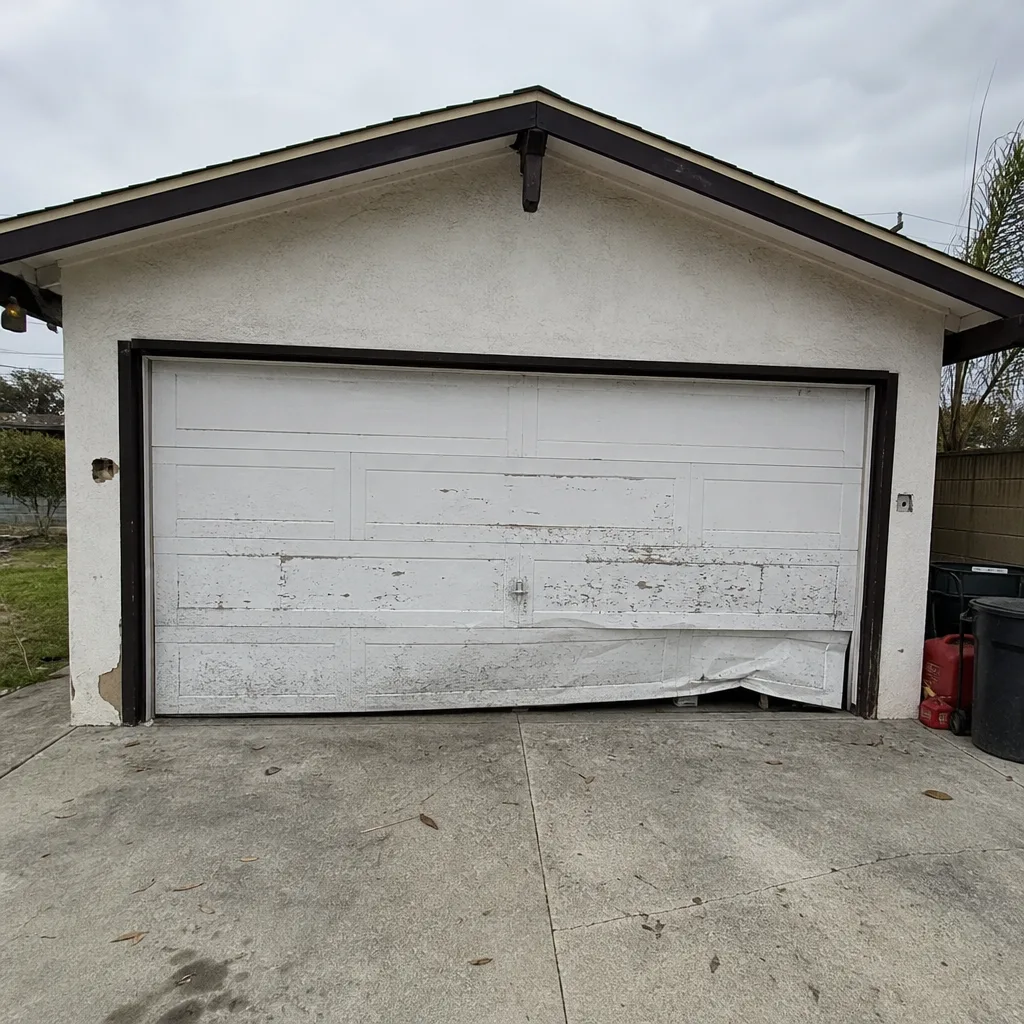 Before
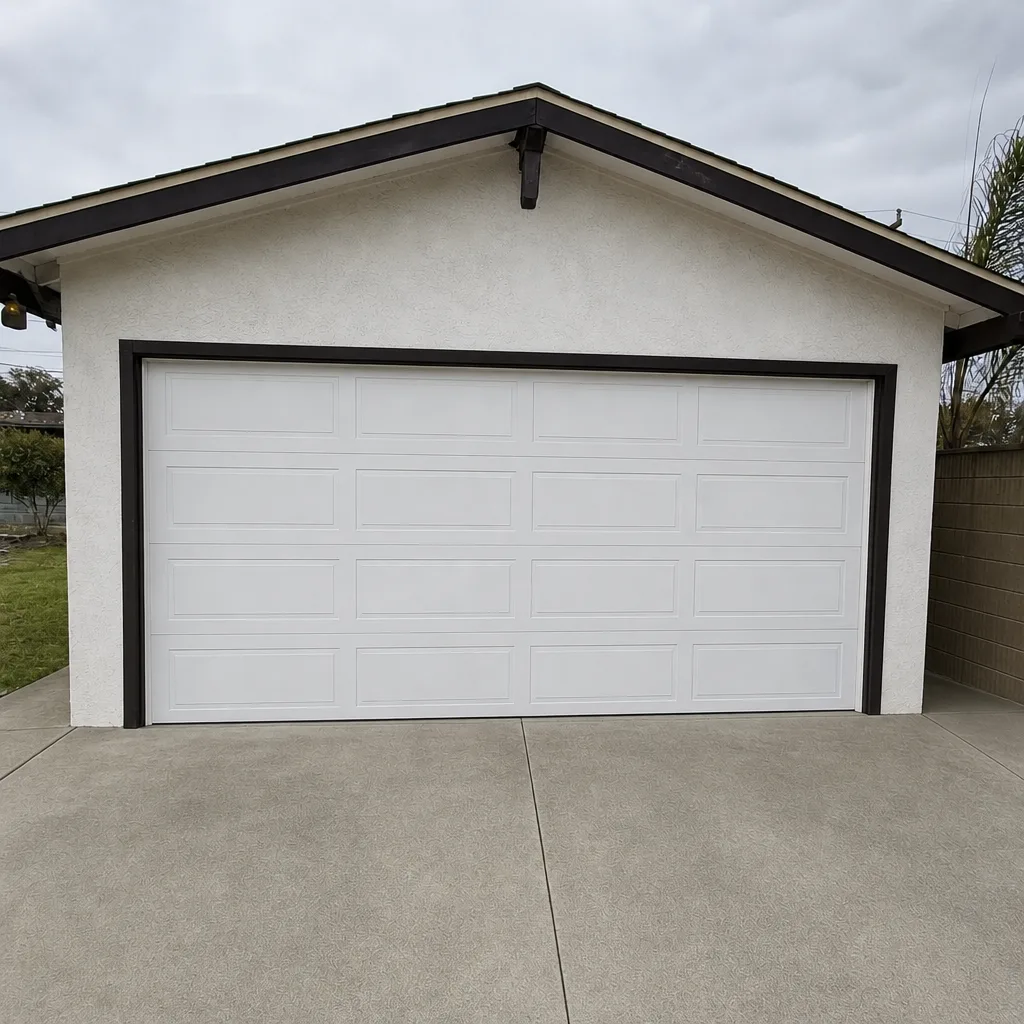 After
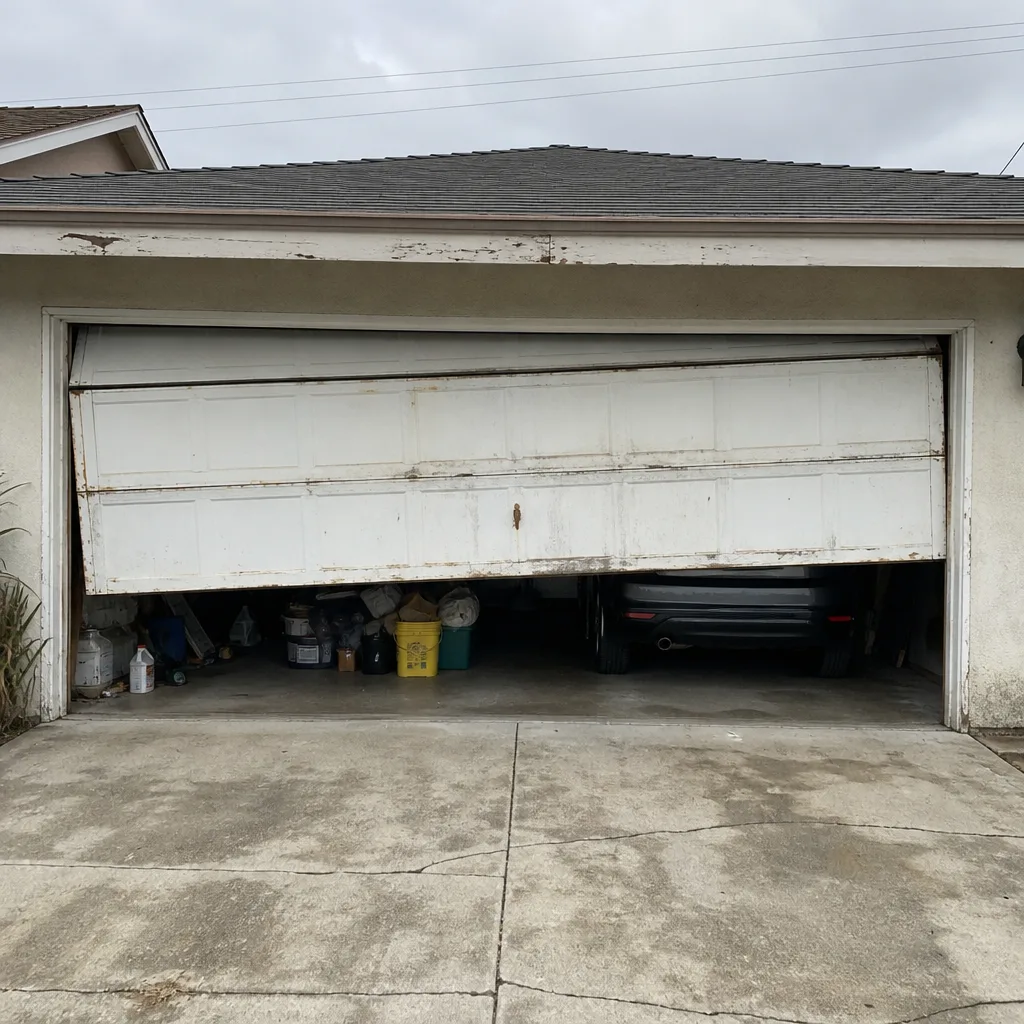 Before
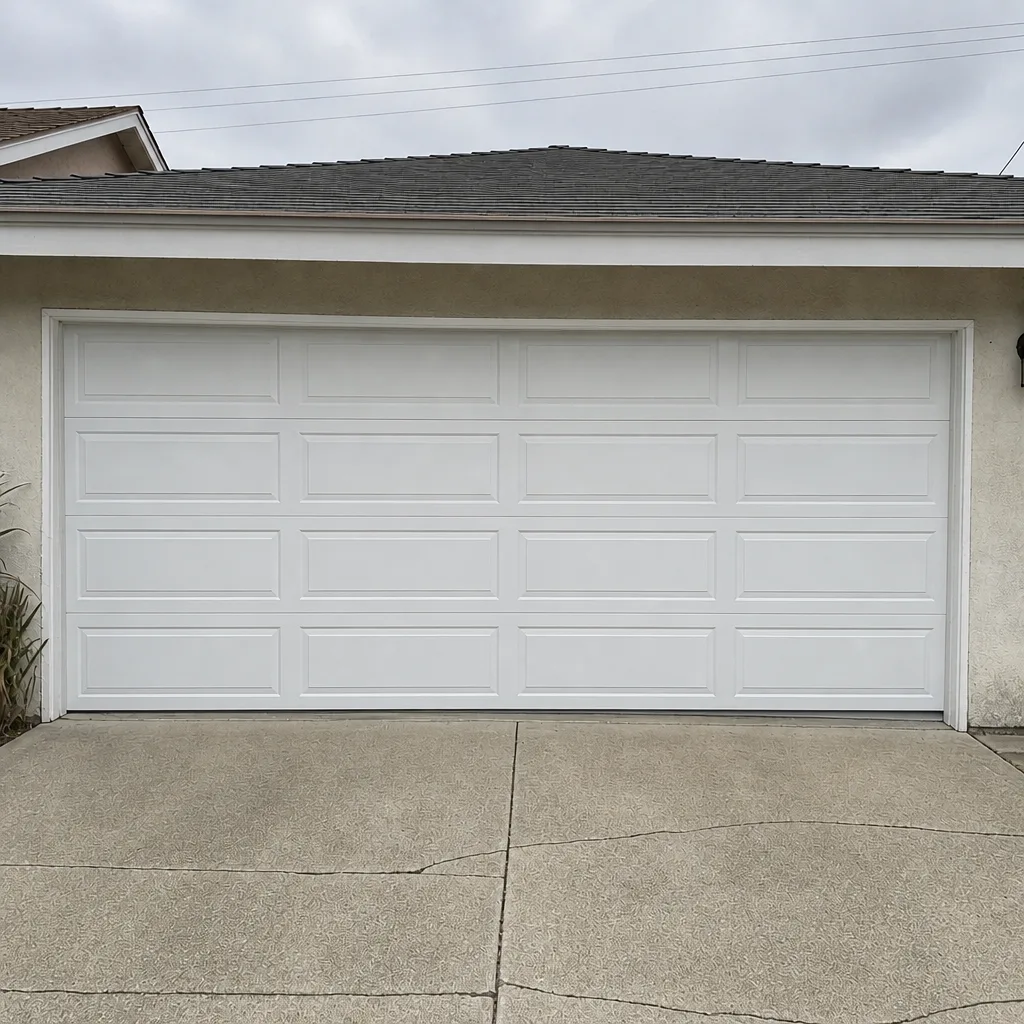 After
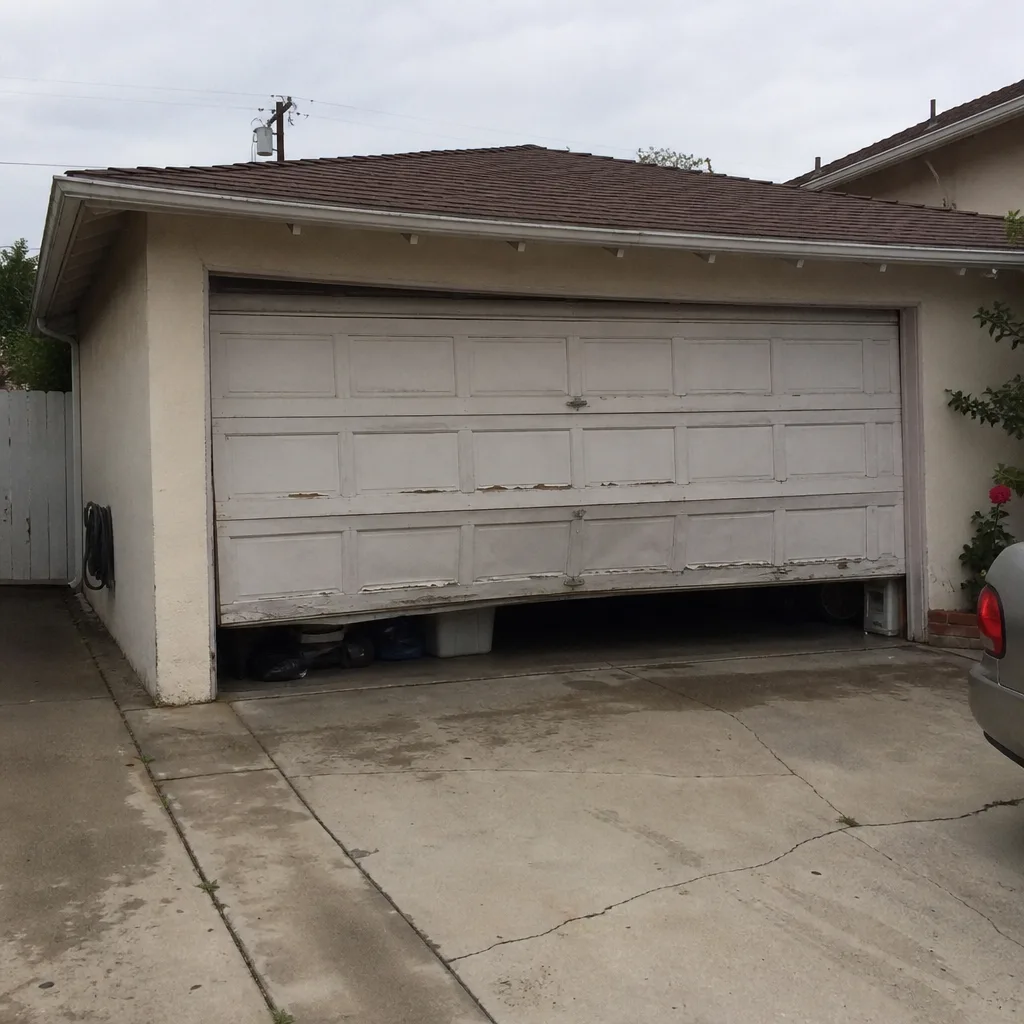 Before
 After