
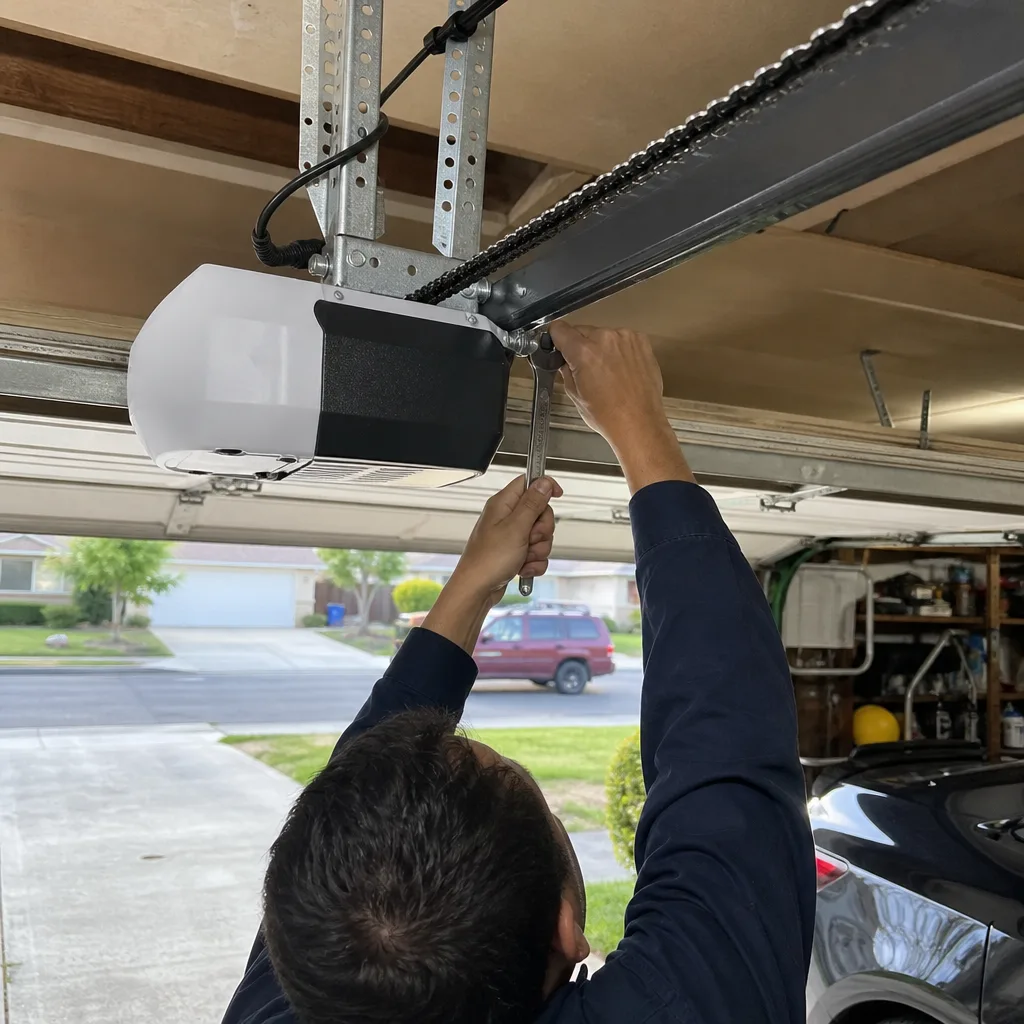
Last updated November 4, 2026
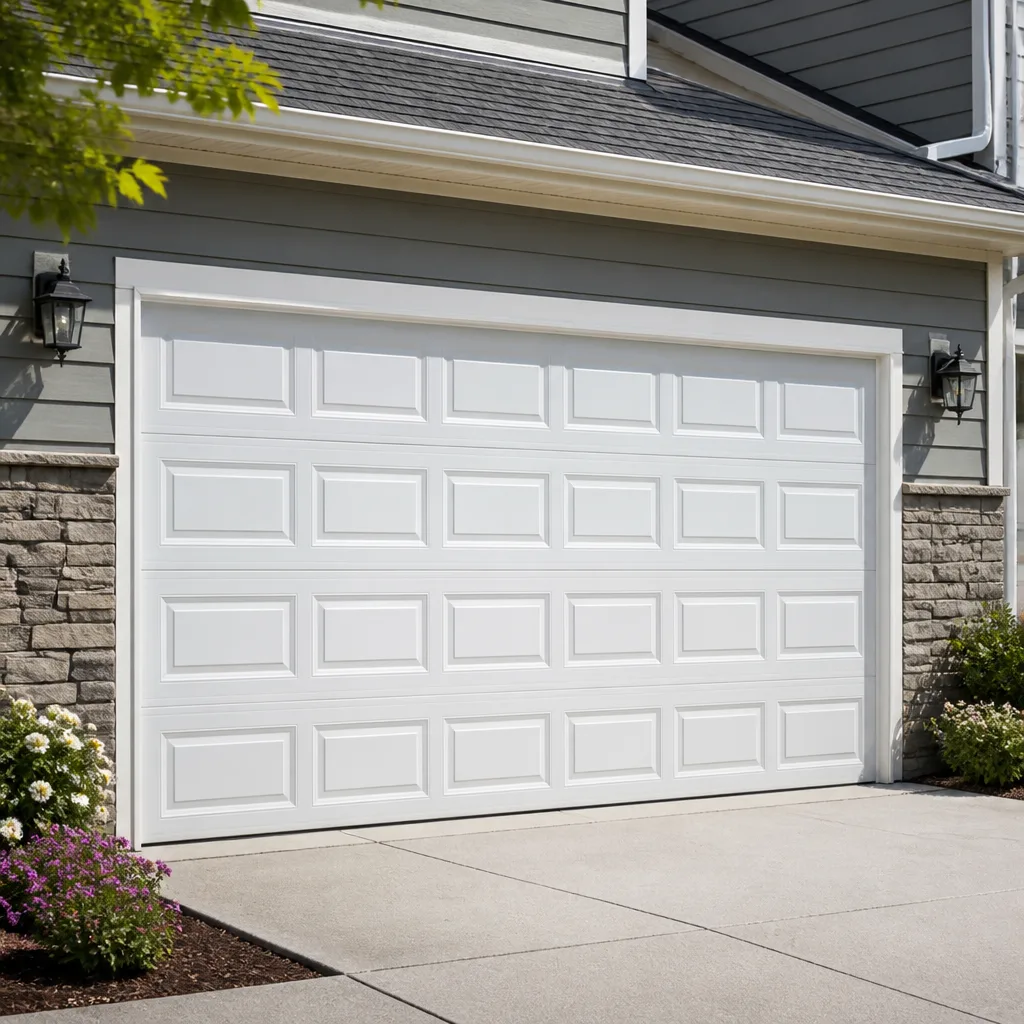 Raised-panel steel
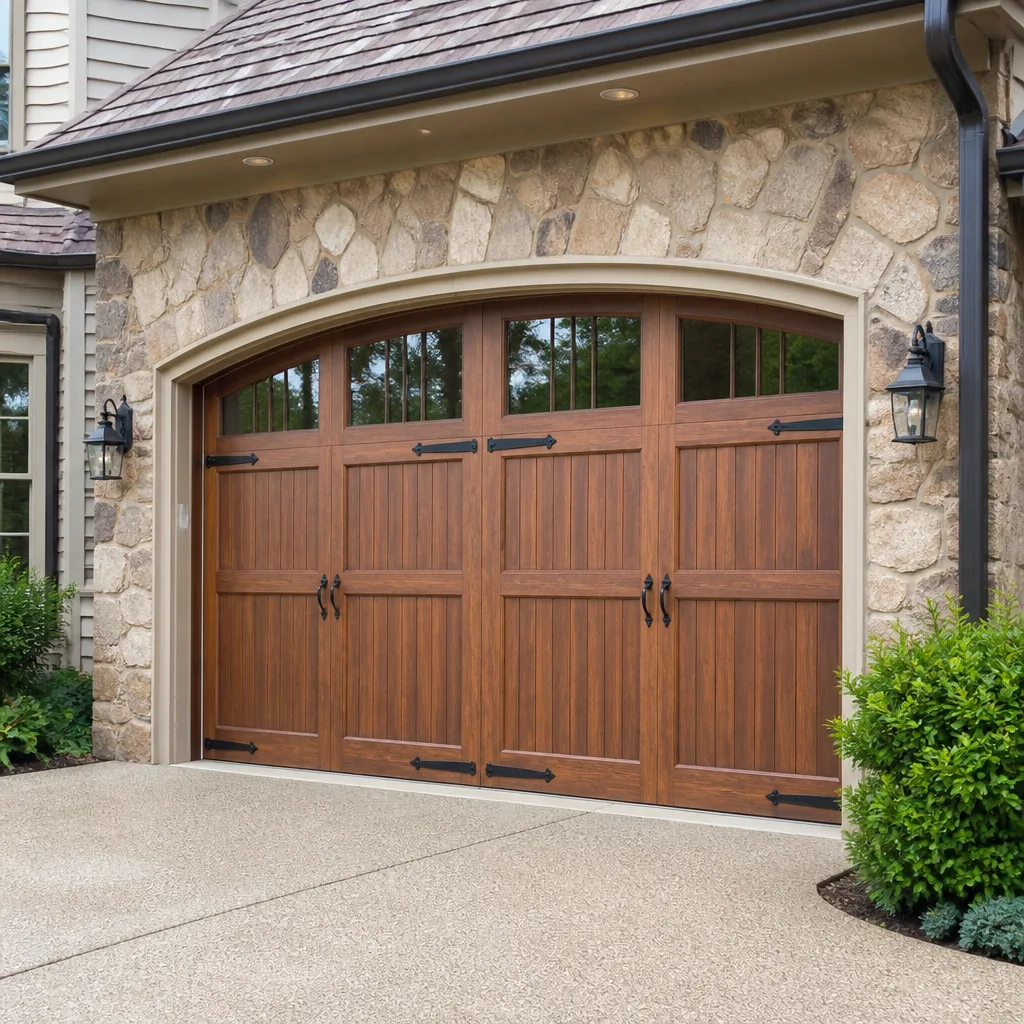 Carriage house
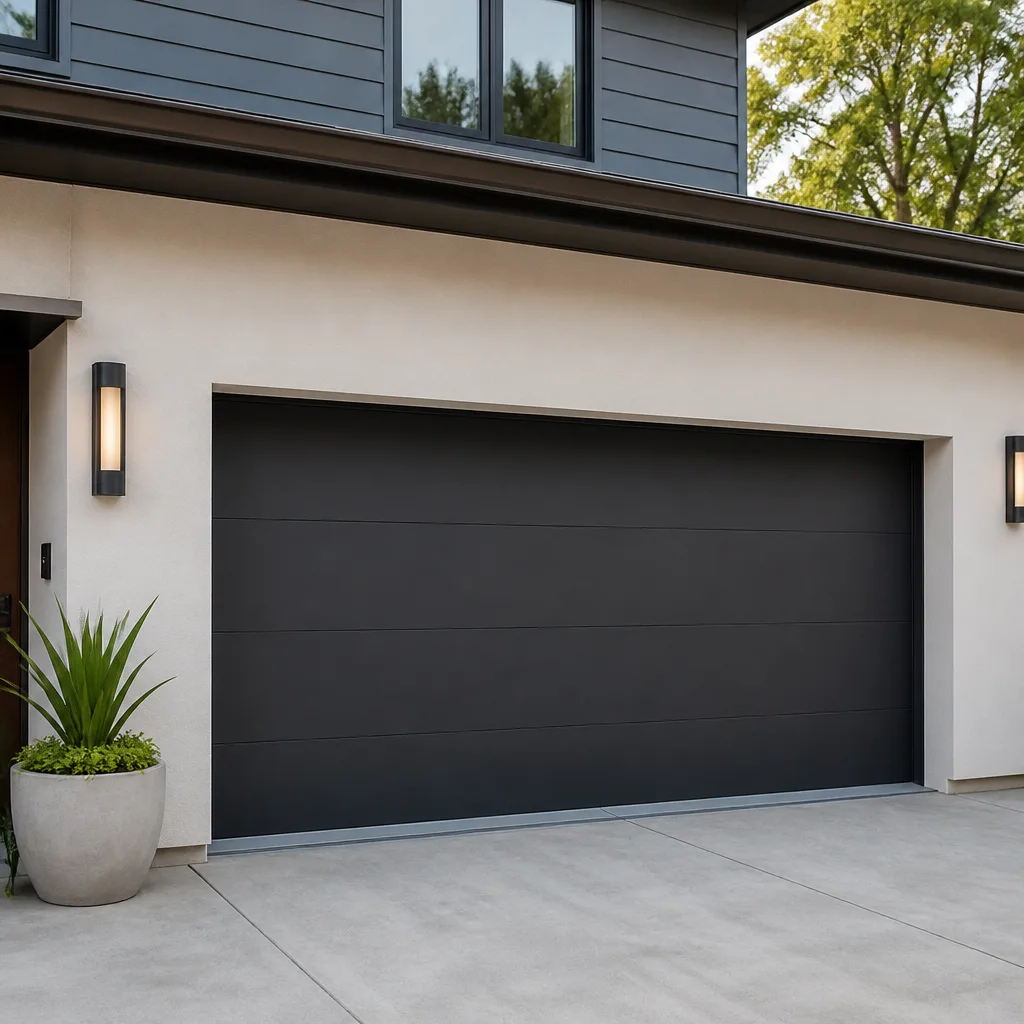 Modern flush
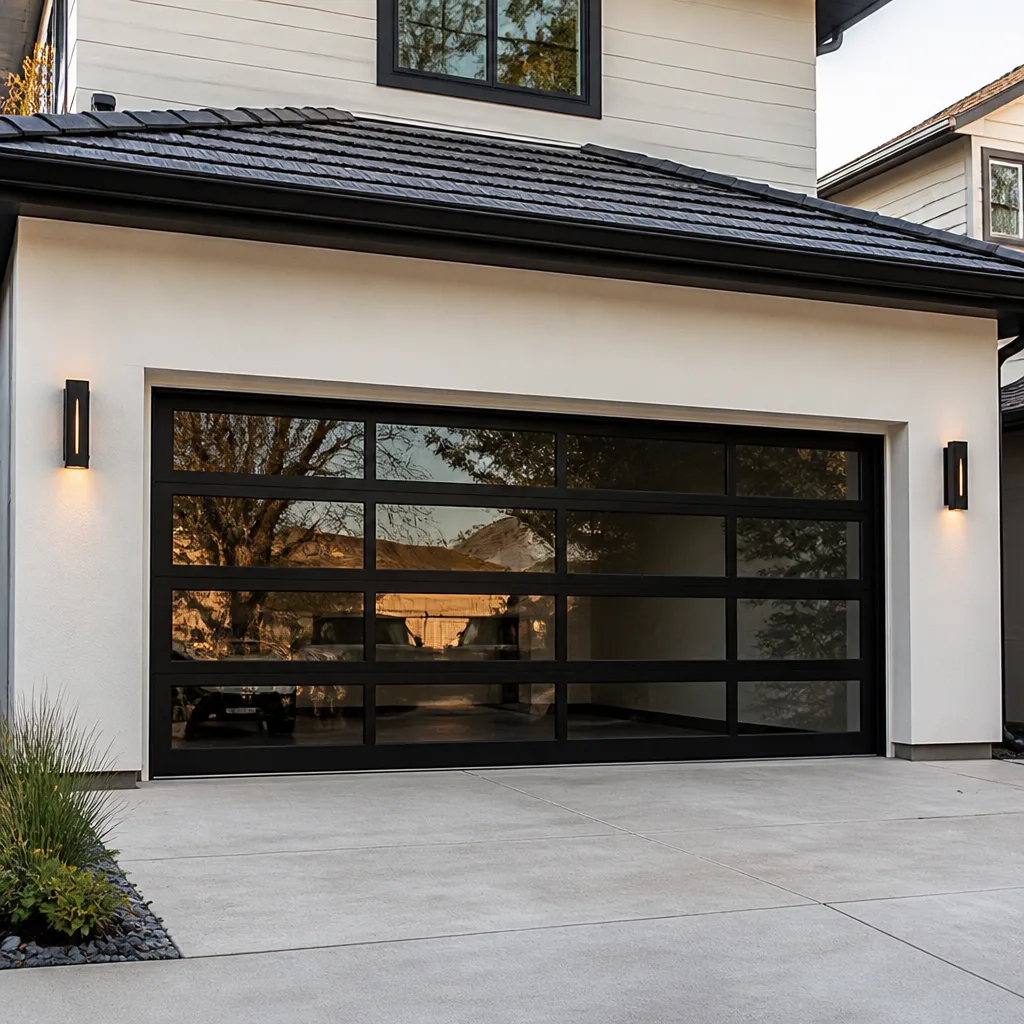 Full-view glass
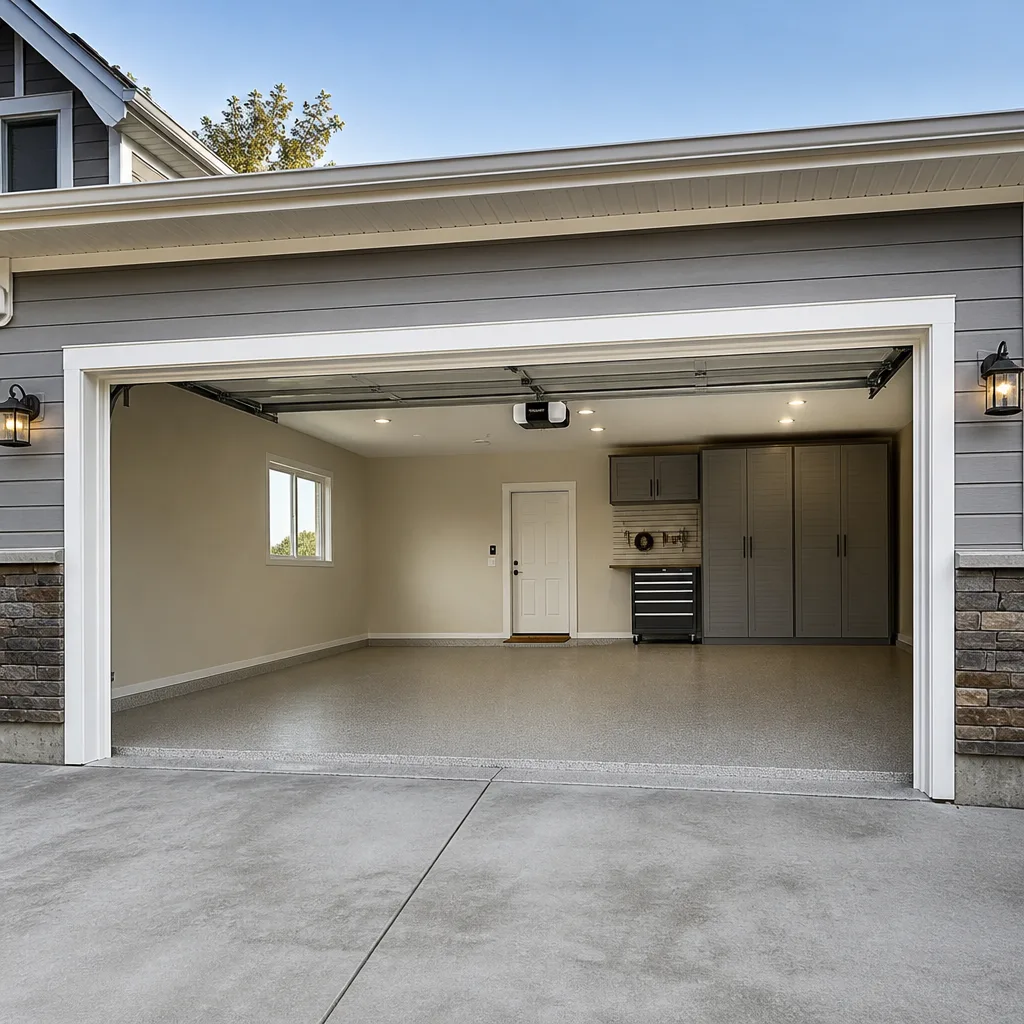 LiftMaster openers
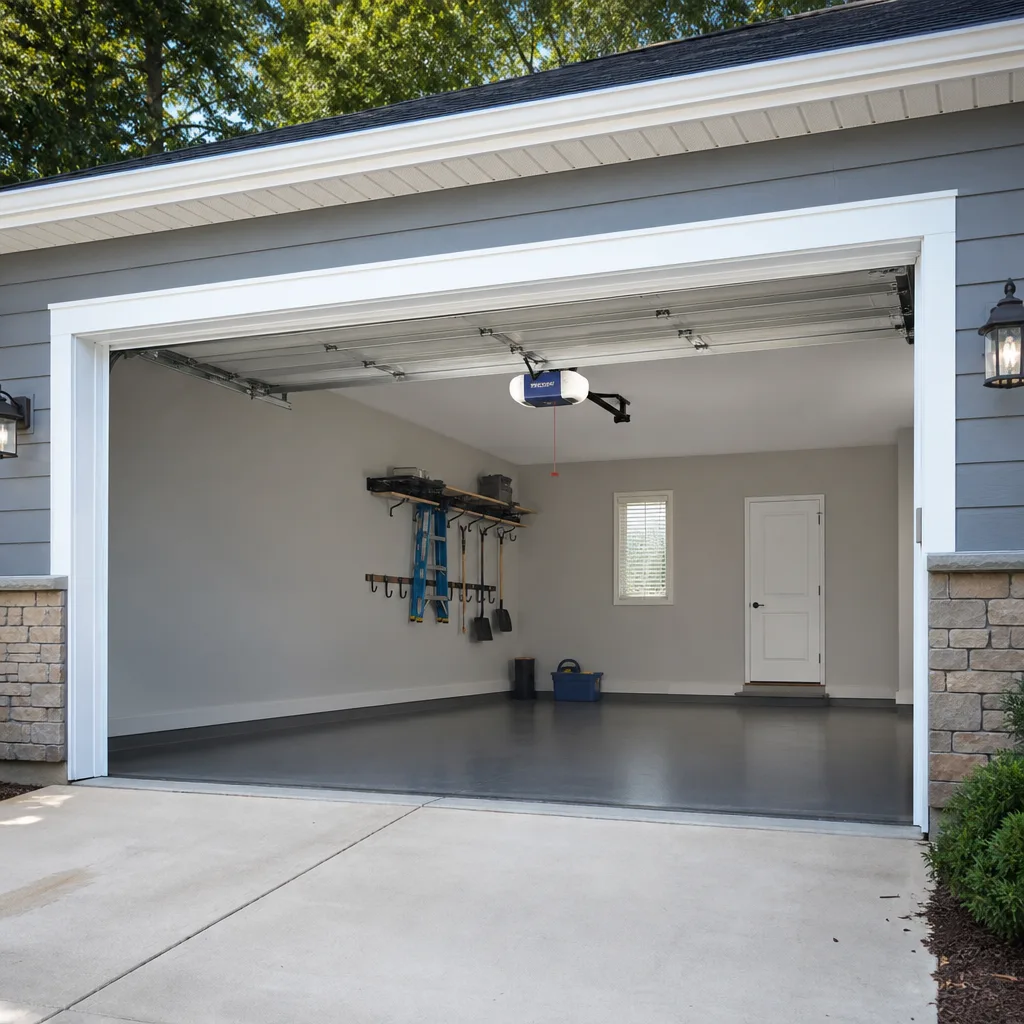 Chamberlain openers
Full 25-point door and opener safety check with every visit - springs, cables, rollers, tracks, and your LiftMaster or Chamberlain opener included
You get a price before we start. It does not change when the truck arrives.
Get your free estimateGarage Door Emergency Preparedness Guide for Norwalk Homes
Most Norwalk homeowners only think about their garage door when it stops working. That’s the wrong time to start figuring out what to do. The reality is that garage door emergencies split into two very different problems, and the correct response to one is exactly the wrong response to the other. A spring failure that drops the door closed can trap your car inside right when you need to leave. A cable snap that leaves the door half-open is a security problem that requires the door to stay put until a technician arrives. During the 2021 regional power outages, homeowners across LA County discovered they had no idea how to manually release their opener, and some sat with cars trapped in 95-degree heat. This guide builds both protocols before you need them, written specifically for the homes and equipment common in Norwalk.
Styles & brands we work with
- Raised-panel steel
- Carriage house
- Modern flush
- Full-view glass
- LiftMaster openers
- Chamberlain openers
Quick Answer
A garage door emergency in Norwalk requires one of two responses: if the door is closed and you need your car out, you disconnect the opener and lift the door manually. If the door is open and won’t close, you secure the opening, disable the opener, and call a professional before operating anything. The right move depends entirely on whether the door is trapping something in or leaving something exposed.
Table of Contents
- The Two Garage Door Emergencies Norwalk Homeowners Face
- Manual Release: Getting Your Car Out When the Power Is Dead
- Securing a Door That Won’t Close
- Earthquake Response for Norwalk Garage Doors
- When a Vehicle Hits the Door
- Your Garage Door Emergency Reference Card
- Brand-Specific Preparation for Norwalk Homes
- Common Mistakes to Avoid
- When to Call a Professional
- Frequently Asked Questions
- The Bottom Line
The Two Garage Door Emergencies Norwalk Homeowners Face
Your garage door is the largest moving part in your home, and when it fails, it fails in one of two directions. Understanding which type you’re dealing with determines everything you do next.
The first category is the mechanical failure that traps your car. This happens when a torsion spring breaks while the door is closed, or when the power goes out and you don’t know how to disengage the opener. In Norwalk, where most homes use the garage as the primary entry and exit point, a door that won’t open isn’t an inconvenience. It means you cannot get to work, cannot get your kids to school, and cannot access whatever is in your garage.
The second category is the security breach. A cable snaps while the door is partially open. A spring breaks at the top of its travel. The door slams down and bounces back, leaving a gap. Now your garage is open to the street, and everything inside it is exposed. This requires the opposite response: do not try to operate the door. Secure the opening and keep it from moving until a technician arrives.
Most emergency advice on the internet lumps these two scenarios together, which creates confusion. A homeowner with a broken spring who tries to “lift the door manually” using opener-release advice is going to fight a 150-pound panel stack with no counterbalance. A homeowner with a snapped cable who tries to close the door by hand is going to create a collapse risk. Learning to identify which emergency you have is the first prep step.
Manual Release: Getting Your Car Out When the Power Is Dead
The most common emergency call we get in Norwalk starts with a dead battery, a blackout, or an opener that quit responding. The owner assumes the door is locked and waits for help. But every automatic opener installed in the last forty years has a mechanical release. Knowing where it is and how it works turns a stranded situation into a two-minute fix.
Step-by-step manual release for standard trolley openers
Most Norwalk homes have one of three opener types: a belt-drive LiftMaster or Chamberlain, a screw-drive Genie, or a chain-drive Craftsman. The release mechanism is similar across all of them, though the cord color and location vary slightly.
- Confirm the door is fully closed. Never release the opener with the door open. A door released in the raised position will slam down, which can cause severe injury to anyone underneath.
- Locate the red emergency release cord. It hangs from the trolley rail, usually near the center of the garage, a few feet back from the opener motor. On LiftMaster and Chamberlain units it’s a red T-handle. On Genie screw-drive models the cord often hangs from a carriage assembly on the rail itself. On older Craftsman units, it’s a red rope with a plastic handle.
- Pull the cord straight down and then back toward the door. This disengages the trolley from the drive chain or belt. You should hear a click. The door is now free from the opener and can be moved manually.
- Lift the door using the handles or the bottom edge. A properly balanced door should feel manageable, roughly equal to lifting a heavy suitcase. If the door feels impossibly heavy, stop. That means a spring is broken, and you should not try to force it. Call a professional.
- Raise the door fully and open the manual lock if your door has one. Most Norwalk garage doors don’t have manual slide locks on the track, but if yours does, leaving it engaged is one of the most common reasons a door won’t open even after release.
- Leave the door in the open position and do not try to reconnect the opener until power is restored. Reconnecting a trolley opener with the door open can cause the opener to run the door into the ground.
What to do when the red cord doesn’t work
Sometimes the release cord pulls but the door doesn’t disengage. This happens most often on Chamberlain and LiftMaster openers with a safety lock-out feature. If the opener has power and someone previously pulled the cord while the door was in motion, the internal carriage can jam. The fix is to run the opener once briefly (a one-second tap on the wall button), which resets the carriage and lets you pull the cord again. If the opener has no power at all and the cord still won’t release, the carriage is mechanically jammed and you’ll need a technician.
On Genie screw-drive openers, the release is a lever rather than a cord on some older models. If you’re looking for a red cord and don’t see one, check for a small metal lever on the carriage assembly. Pulling that lever toward the door achieves the same release.
Practice this procedure once during daylight hours. In our experience, homeowners who have done it once can execute it in 90 seconds in the dark. Homeowners who’ve never done it fumble with a flashlight for fifteen minutes and sometimes make the problem worse.
Securing a Door That Won’t Close
A door stuck open is a bigger problem than a door stuck closed, and the response is completely different. If a spring breaks while the door is open or a cable snaps mid-travel, you now have an unsecured opening that leads directly into your home’s attached garage. In many Norwalk homes, that’s an unprotected entry point into the house itself.
What NOT to do first
- Do not try to close the door manually. A door with a broken spring has no counterbalance. The combined weight of multiple steel or wood panels can exceed 150 pounds. If your grip slips, the door slams down with enough force to crush whatever is underneath it, including a person.
- Do not disconnect the opener. Some homeowners assume they should release the opener so they can lower the door by hand. This disables the only thing holding the door in place. With the opener engaged and the door partly open, the trolley and chain or belt are still bearing some of the load. Releasing them turns a controlled situation into a freefall.
- Do not park under the door or walk beneath it. A partially supported door can drop without warning when the remaining spring or cable gives way.
How to secure the opening without tools
- Close the interior garage-to-house door. If your Norwalk home has an attached garage, the door leading into the house should be locked. This is the fastest security measure you can take.
- Place a step ladder or saw horse under the open door as a fail-safe. Set it directly beneath the lowest point of the door. If something does slip, the ladder or saw horse will catch the panel before it hits full drop. Do not use anything you’d mind losing, like a car roof or a barbecue.
- Unplug the opener from the ceiling outlet. This prevents accidental activation from a wall button, remote, or home automation system. A door with a broken spring that gets an open command from the opener can cause further damage to the panels and rails.
- Remove valuables from the garage if the door is stuck open wide enough to allow access. Most garage doors in Norwalk open to an alley or driveway with some visibility from the street. Don’t leave tools, bikes, or anything portable within arm’s reach of the opening.
- Call a technician for a spring, cable, or opener diagnosis. Do this before you attempt anything else. The door needs to be assessed, not forced.
A cable snap on one side of the door often leaves the door visibly tilted in the track. This is a red flag that the other cable is now carrying the entire load and could fail at any moment. Treat a tilted door as an active hazard and stay clear of it until help arrives.
Earthquake Response for Norwalk Garage Doors
Norwalk sits in a seismically active region, and the garage is often the most overlooked part of a home’s earthquake preparedness plan. That’s a problem, because the garage door can physically block your exit from the home after a quake, and it can also compromise the structural integrity of the front wall of your house.
A garage door is a large framed opening that relies on its track assembly and the structural connection between the header and the wall. After significant ground movement, the door can shift in its tracks, the tracks can pull loose from the wall brackets, or the door panels can come partially off the rollers. The first instinct after a quake is to hit the opener button to see if the door still works. That’s the worst possible move.
Post-earthquake inspection before operating the door
- Visually inspect the track alignment from inside the garage. Look for visible gaps between the track and the wall brackets. Bent or pulled brackets mean the track is no longer true. If you see this, do not operate the door.
- Check the door panels for separation. Look along the horizontal seams between panels. Strong lateral shaking can pop hinges loose or crack panel sections. A separated panel can bind in the track and cause the door to jump the rails.
- Check the cables on both sides. Look for slack in either lift cable. Slack means the cable drum has slipped or the spring has lost tension. Operating the door in this condition risks a cable snap and a sudden drop.
- Check for shifted wall framing around the opening. Walk outside and look at the header above the garage door. Fresh cracks in the stucco or drywall around the opening might mean the wall has moved. This is a structural issue that goes beyond the door itself, and you should consult a contractor or structural engineer before touching the door.
- Open the man door or side door if your garage has one. Use an alternate exit rather than the garage door until the door assembly has been checked. If your garage doesn’t have a separate entry, test the door manually after the visual checks above, but only if nothing showed obvious damage.
The best preparation for an earthquake is to keep the garage door’s balance and track hardware in good condition before a quake happens. A door that’s properly balanced and aligned is far more likely to survive a seismic event without binding or jumping track. A door with worn rollers, loose brackets, and a weak spring is already marginal, and a quake is what pushes it over the edge. We recommend a balance and hardware check at least once a year for any Norwalk home with an attached garage.
When a Vehicle Hits the Door
A vehicle strike is more common than most homeowners expect. It’s the classic slow-speed bump, the misjudged turn into the driveway, the door opened too soon while the car was still rolling forward. Many of these impacts look minor from the outside, a small dent in the bottom panel. But the damage underneath can be significant.
Garage door panels are engineered as a system. The bottom panel carries the weight of the entire door, and the lift cables attach directly to it through the bottom brackets. When a car hits the bottom two feet of the door, the force travels through the panel and into the brackets, the cables, the drums, and the torsion spring. It’s common for a vehicle strike to bend a track, knock a cable off a drum, or damage the bottom bracket without leaving any obvious visual evidence from the outside.
Assessing structural safety after a vehicle strike
- Check the gap between the door and the ground on both sides. If one side sits higher than the other, the door is no longer level. That tilt will get worse with every operation and eventually bind the door in the track.
- Look at the bottom bracket on each side. The bracket is a small steel fitting that connects the cable to the bottom corner of the door. If it’s bent or the cable appears slack, do not operate the door. That bracket is under hundreds of pounds of spring tension.
- Listen to the door move if it still operates. Grinding, popping, or a door that shudders while moving usually means the rollers or track are bent and the door is working against resistance.
- Watch the door for lateral movement. Run the opener and watch the door from inside the garage. A door that shifts side to side as it travels or bounces at the top of the opening has track or roller damage.
A door that’s been struck by a vehicle should be treated as structurally compromised until confirmed otherwise. Even if it opens and closes, the damage may be accumulating strain on the spring and cables. Continuing to cycle the door after an impact is the fastest way to turn a $200 panel repair into a full door replacement. Call a professional to assess the door before you operate it more than once or twice.
Your Garage Door Emergency Reference Card
The simplest emergency prep tool for your Norwalk home is a single printed card stored somewhere visible in the garage. You won’t remember procedures during an emergency. You’ll remember the card exists. Keep it taped to the wall near the opener or inside a cabinet door where you can find it in the dark.
What goes on the card
- Technician contact: Garage Door Service Norwalk, (833) 589-9971. We answer 24/7. Fast dispatch from 7am to 7pm, Sunday through Friday.
- Manual release location: “Red T-handle on the rail above the car’s hood” or “Red cord near the center of the garage ceiling,” whichever applies to your opener. Write the exact location for your home.
- Opener brand and model: LiftMaster, Chamberlain, Genie, or Craftsman, plus the model number from the motor housing. This lets the technician bring brand-matched parts on the first visit.
- Door brand: Clopay, Amarr, Wayne Dalton, or Raynor, usually found on a sticker on the end stile of the door. This speeds matching panels, hinges, and track hardware.
- Circuit breaker location: The garage opener circuit is usually a single-pole 15-amp breaker labeled “Garage” or “Garage Door Opener.” Know which panel and which slot.
- Manual release practice note: “Pull cord down and back. Lift door with handles. If door is very heavy, do not force it. Call the number above.”
We’ve made this printable reference quick and to the point. Tape it to the wall next to the opener’s power outlet, and take a photo of it with your phone. If the power is out and you’re in the dark, the phone photo is the backup to the paper copy.
Brand-Specific Preparation for Norwalk Homes
The three most common opener brands in Norwalk garages are LiftMaster, Chamberlain, and Genie, with Craftsman units still working in plenty of older homes. Each has different release mechanisms, different failure modes, and different battery backup behavior. Knowing what you own makes an emergency response much faster.
LiftMaster and Chamberlain share the same parent company and similar trolley designs. Most Norwalk homes with these openers have belt-drive models with the red emergency cord and a battery backup option on newer units. The cord disconnects cleanly with a firm pull, and reconnection simply requires running the opener until the trolley re-engages. Battery backup units will operate the door several times during a blackout, which may delay your need to use the manual release at all.
Genie openers, common in older Norwalk developments, use a screw-drive or belt-drive mechanism with a carriage-mounted release on many models. If you have a Genie and pull the cord with no result, check for a mechanical lock on the carriage before calling for help. In our experience, Genie carriage locks cause more confusion than any other single release issue, and the fix is almost always a simple lever release on the carriage itself.
Craftsman openers are aging at this point. Most were installed in the 1990s or early 2000s, and they use a chain-drive mechanism that’s louder and harder on the door hardware than the newer belt drives. If your Craftsman unit has a red pull cord and it won’t disengage, the problem is usually a stripped worm gear inside the drive assembly. That’s a repair call, not something you’ll fix at 6 a.m. with a screwdriver.
The door itself matters just as much as the opener. Clopay doors, common in newer Norwalk construction, use a standard residential track profile with an easy manual balance check. Amarr and Wayne Dalton doors are less common but appear in some of the larger custom homes around the city. Raynor doors show up in a scattering of older ranch houses. Each brand has its own panel profile and hinge system, but the safety rules are identical across all of them: never operate a door with a broken spring, never force a door that feels heavy, and never stand beneath a door that’s partially open and unsupported.
If you’re installing a new opener or replacing an existing one, choosing a brand that matches the current hardware is part of a clean garage door opener repair or replacement. We work on all four opener brands plus Chamberlain’s commercial sibling LiftMaster, so the diagnosis and repair approach comes down to system-specific knowledge rather than generic troubleshooting. A Clopay door paired with a LiftMaster opener is a completely different mechanical picture than a Wayne Dalton door running on a Genie drive, and the technician who knows the brand logic of both sides is the one who fixes it the first time.
Common Mistakes to Avoid
- Pulling the emergency release while the door is open. This is the most dangerous single action in a garage. The door will freefall. On a double-wide or insulated door, that’s 150 to 200 pounds coming down without control. Always close the door fully before disconnecting the opener, unless the door is already closed and you’re trying to open it.
- Forcing a door that feels heavy. A properly balanced door should lift with modest effort after the opener is released. If it feels like you’re lifting the whole house, a spring is broken. Forcing the door bends panels, tears openers, and puts you in the path of a sudden drop.
- Disconnecting the opener on a door that’s stuck open. The opener and rail are the only thing holding a broken-spring door in place. Disconnecting them frees the door to fall. If your door is open and won’t close, leave the opener engaged and call for garage door repair.
- Hitting the opener button repeatedly after a failure. One failed attempt should be enough. Each additional attempt strains the opener motor and risks compounding the damage. If the door doesn’t move on the first try, stop and assess.
- Greasing or lubricating a noisy door to “fix” the problem. Noise usually means a mechanical issue, not a lubrication issue. Adding grease to a door with a broken roller or misaligned track just hides the symptom while the underlying problem worsens. The same logic applies to a door that’s binding after a vehicle strike or a quake.
- Leaving the garage-to-house door unlocked at night. In Norwalk, attached garages are common, and a garage left open or a door left unlocked is an invitation. Whether or not you’ve had a door emergency, keeping that interior door locked is a daily habit.
- Failing to test the manual release before you need it. The manual release is simple, but it’s not intuitive the first time. Ten minutes of practice once a year means you’ll know exactly where the cord is and how to use it when the power is out and there’s no time to look it up.
When to Call a Professional
Some garage door situations are handle-at-home. Replacing a keypad battery, clearing a photo eye obstruction, or pulling the manual release after a power outage are all reasonable homeowner tasks. But springs, cables, tracks, and post-impact structural checks are not. The torsion spring on a standard residential door is under enough tension to cause life-altering or fatal injury if it’s mishandled. We don’t say that to frighten anyone, but to be direct about what’s safe and what isn’t.
If your door has a broken spring, a snapped cable, a track that’s pulled away from the wall, or visible panel separation, call a professional before touching anything else. The same applies after any earthquake or vehicle strike. The cost of a service call is a fraction of the cost of a hospital visit or a collapsed door. Garage Door Service Norwalk offers free estimates in Norwalk, and we can assess the door, the opener, and the hardware in a single visit. Call (833) 589-9971 and describe exactly what you’re seeing. We answer 24/7. Fast dispatch from 7am to 7pm, Sunday through Friday.
Frequently Asked Questions
Pull the red emergency release cord and lift the door manually. The cord hangs from the opener rail, usually in the center of the garage. If the door feels very heavy and won’t lift, stop and call a professional. A heavy door means the spring is broken and you should not force it.
You disconnect the opener by pulling the red emergency release cord, then lift the door by hand using the bottom handle or the lower edge. This works on LiftMaster, Chamberlain, Genie, and Craftsman openers. The disconnect is mechanical, which means it works with no power at all. If you’re not sure where your cord is, check the ceiling rail above where your car parks.
No. A broken spring removes the counterbalance, and the door’s full weight is now unmanaged. Closing it by hand is unsafe and can lead to a sudden drop. Leave the opener engaged and call a technician in Norwalk for spring replacement.
No. A partially open door is both a security issue and a collapse risk. If your door is stuck open and you can’t close it, lock the interior house door, place a ladder or saw horse beneath the open door as a fail-safe, and unplug the opener. Call a professional before operating anything further.
Check for track misalignment, panel separation, slack in the lift cables, and fresh cracks around the garage door header. If any of these are present, do not operate the door. Use a side door or another exit until a professional can assess the door and track assembly.
Look at the torsion spring above the closed door. A working spring is one continuous coil. A broken spring shows a visible gap in the coil, usually near the center bracket. You may also hear a loud bang when it breaks, and the door will feel extremely heavy if you try to lift it manually. Call (833) 589-9971 for a spring replacement estimate. Estimates are free.
Yes. We work on doors from Clopay, Amarr, Wayne Dalton, and Raynor, and openers from LiftMaster, Chamberlain, Genie, and Craftsman. Our technicians are familiar with each brand’s specific hardware, release mechanisms, and failure patterns, which means a faster diagnosis and a repair that matches the original system rather than a generic workaround.
The Bottom Line
Garage door emergencies in Norwalk fall into two categories: doors that won’t open when you need your car, and doors that won’t close when you need your home secured. Each one demands a different, precise response, and knowing both before the emergency happens saves you time, money, and risk. Practice the manual release on your opener. Know where your breaker is. Keep a printed reference card in the garage. And when the problem involves a spring, cable, track, or structural damage, call a professional rather than trying to muscle through it. For a full garage door repair assessment, contact Garage Door Service Norwalk in Norwalk for a free estimate at (833) 589-9971.
Written by the team at Garage Door Service Norwalk, serving Norwalk since 2014.
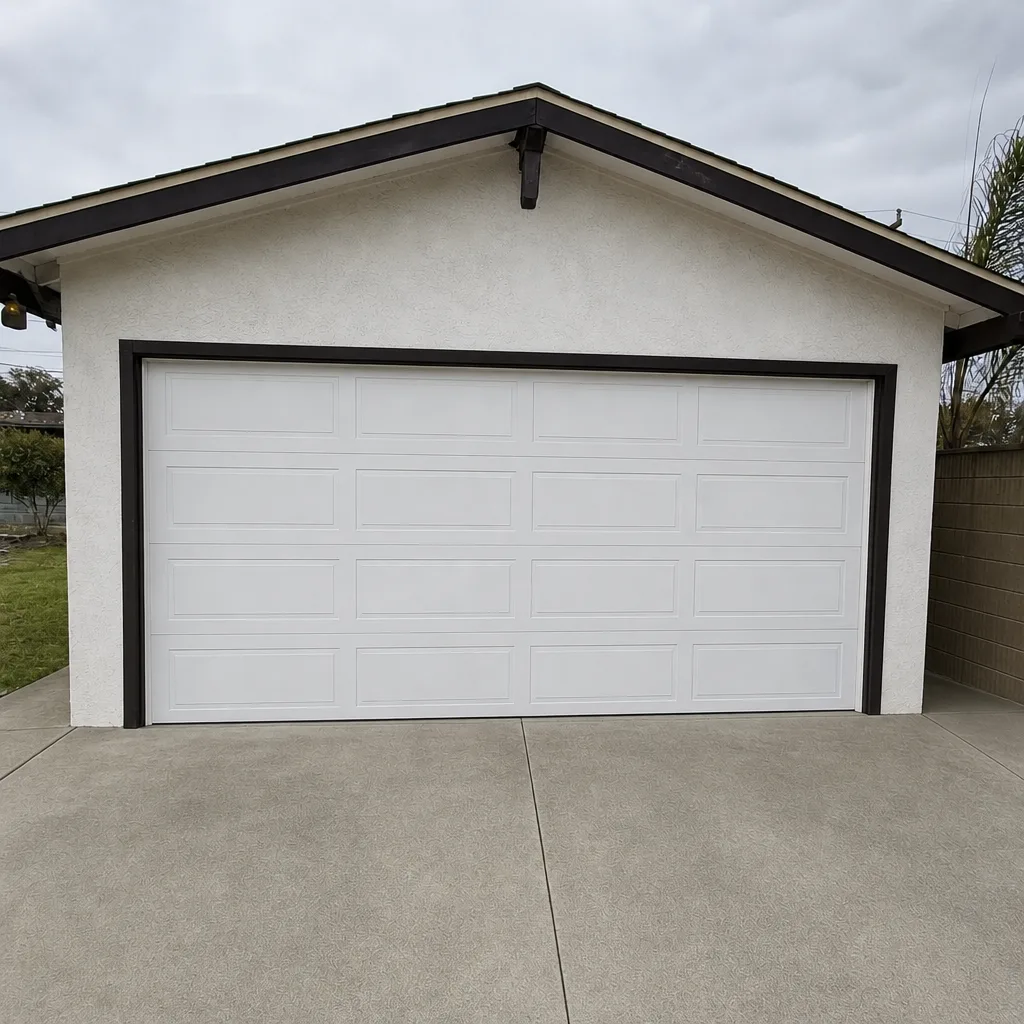
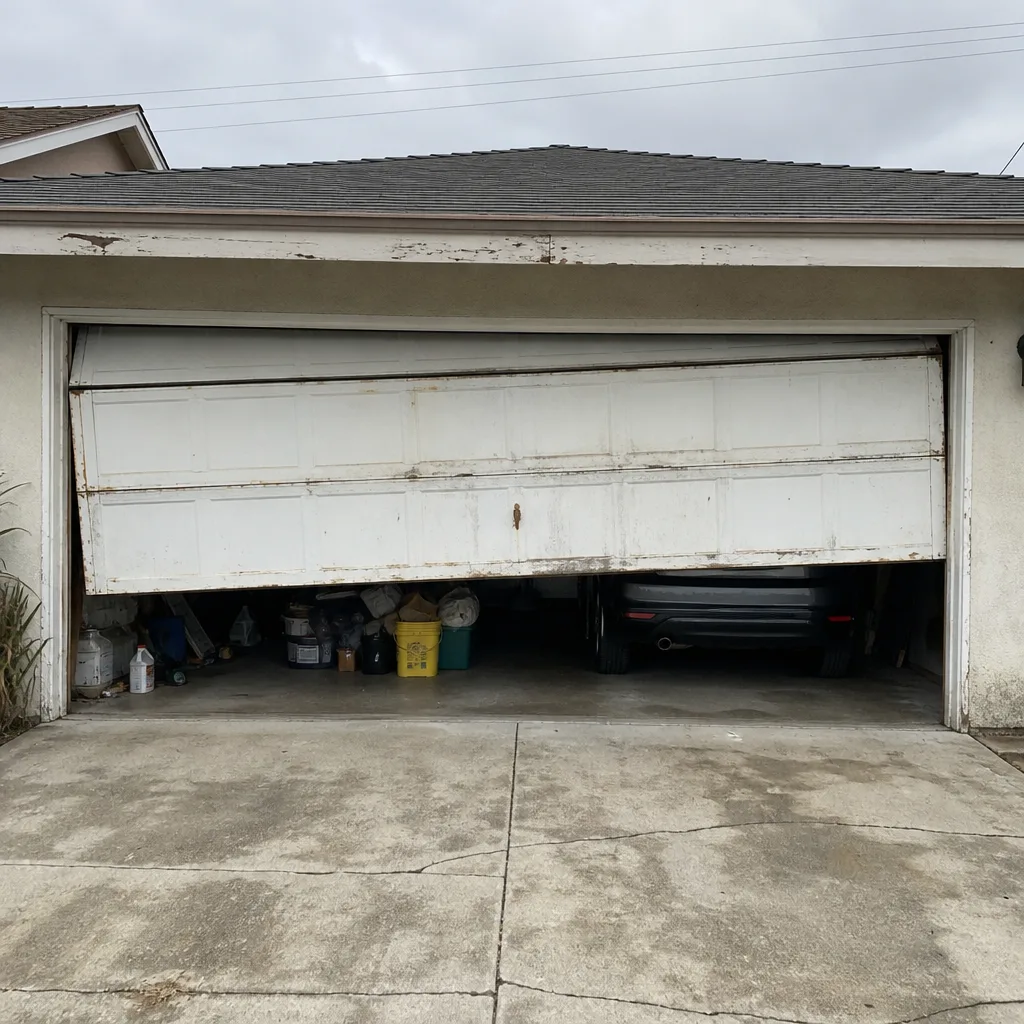
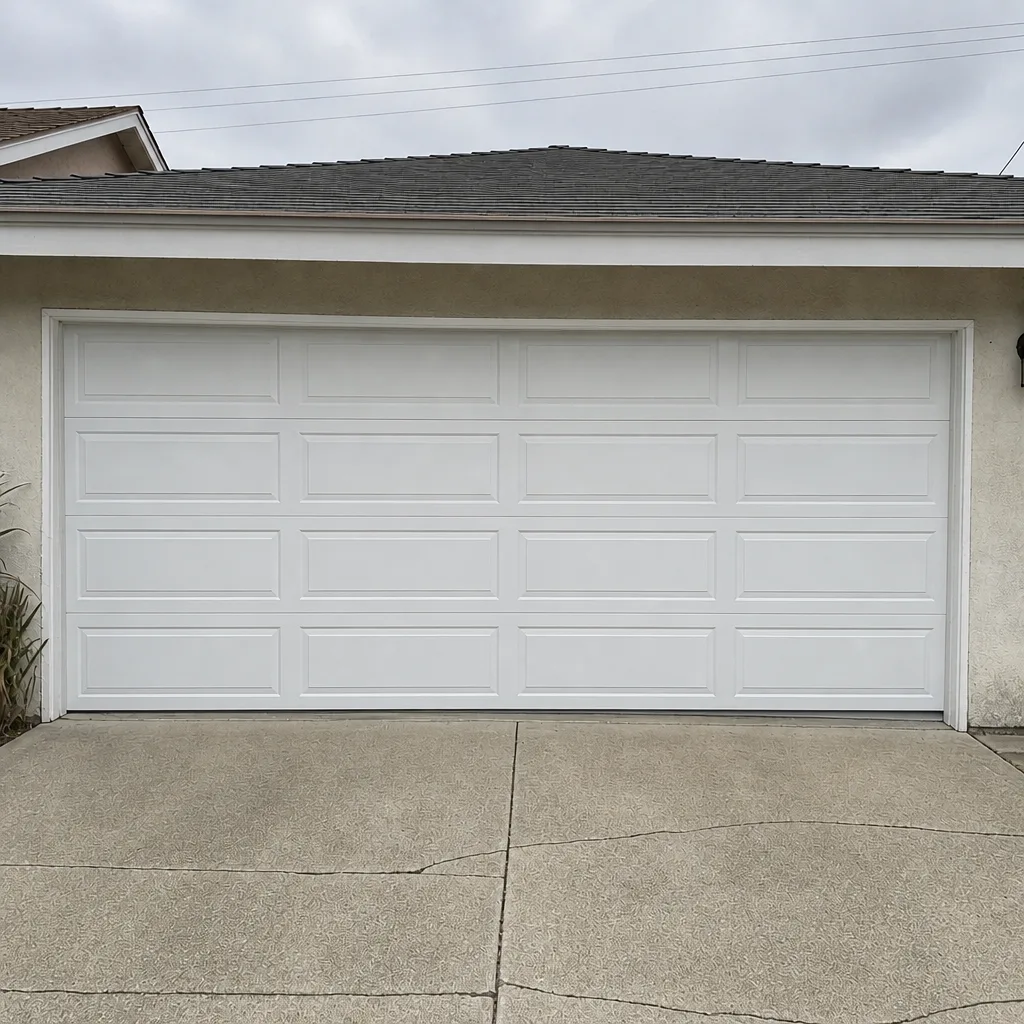
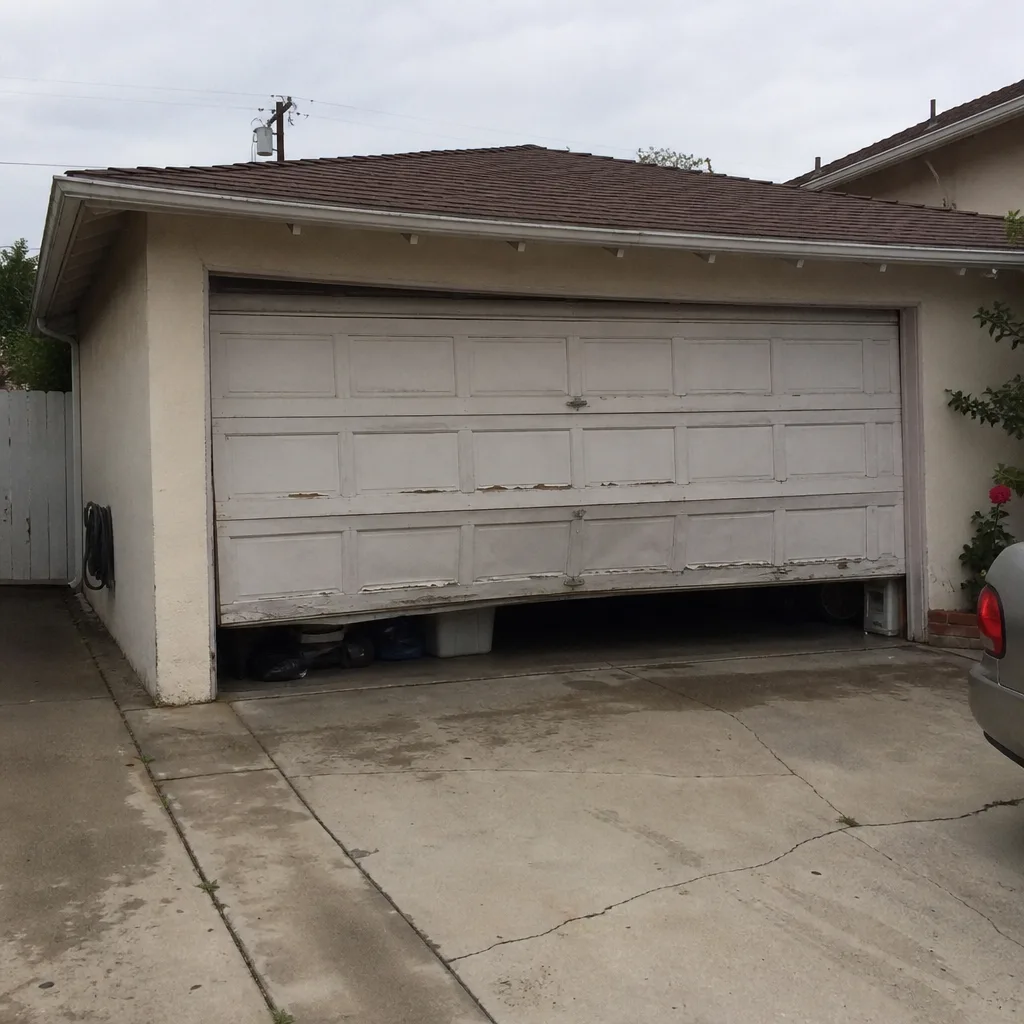
See the difference
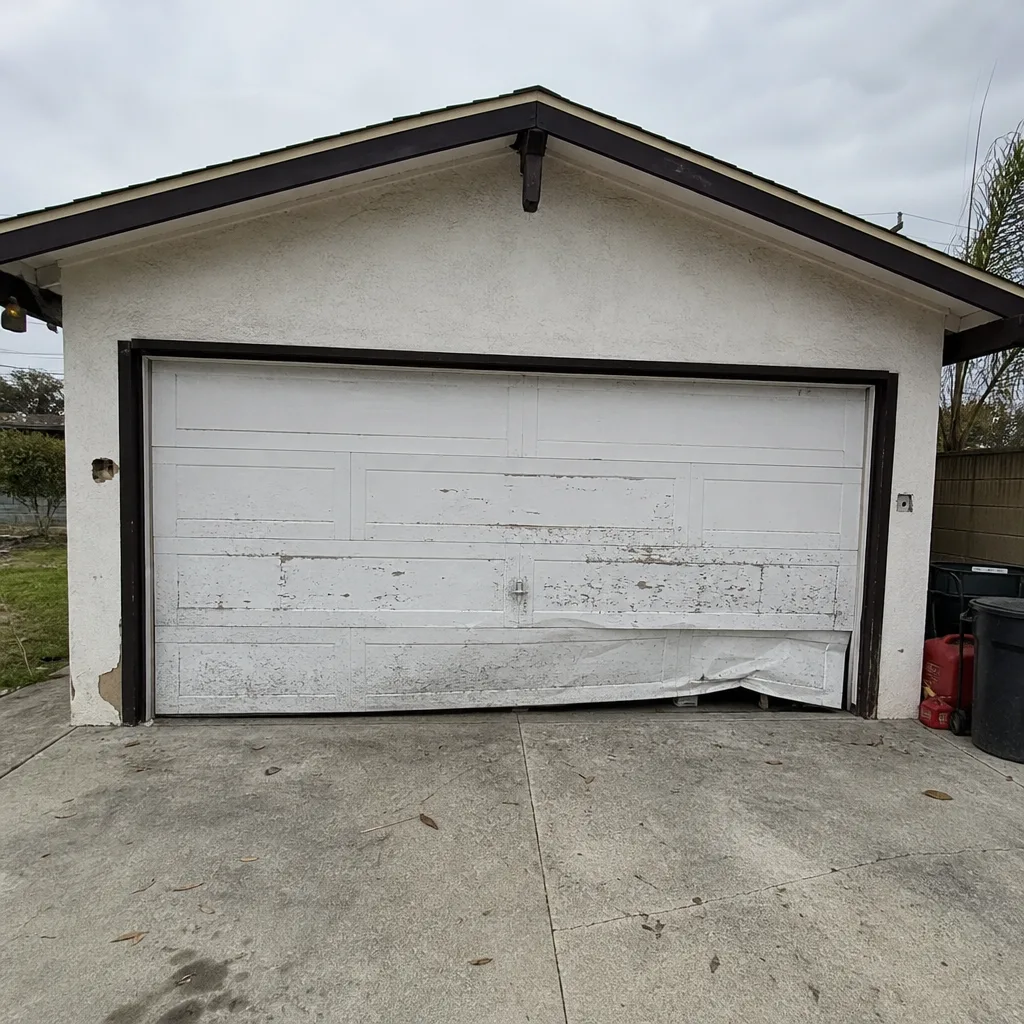 Before
 After
 Before
 After
 Before
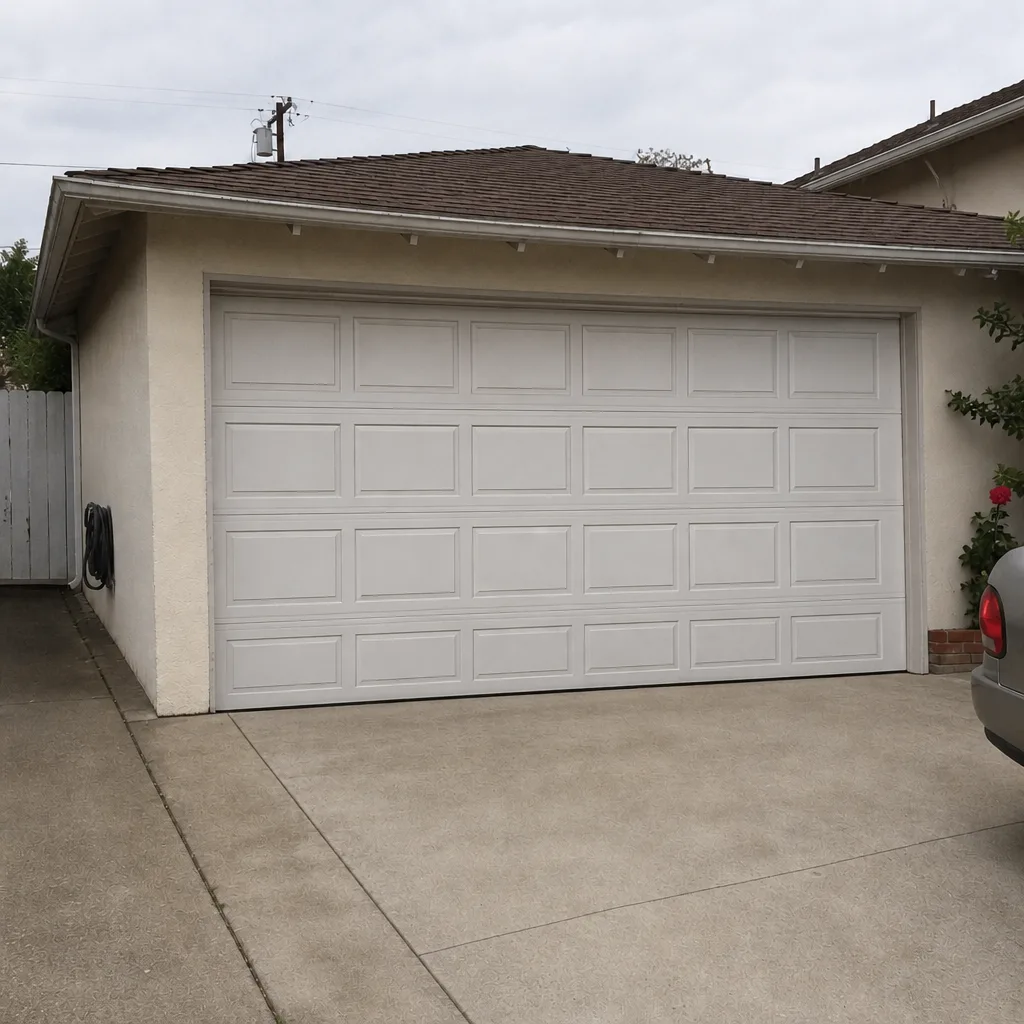 After