
Last updated November 4, 2026
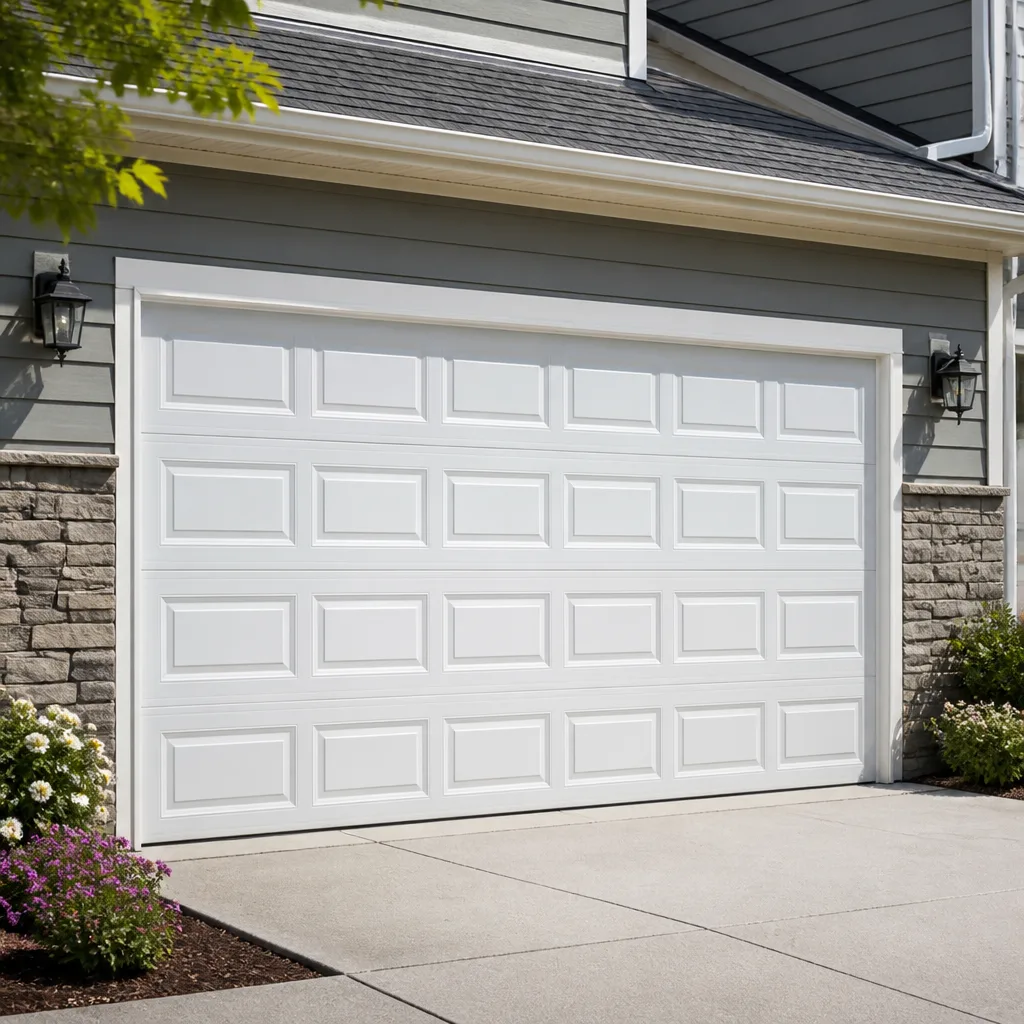 Raised-panel steel
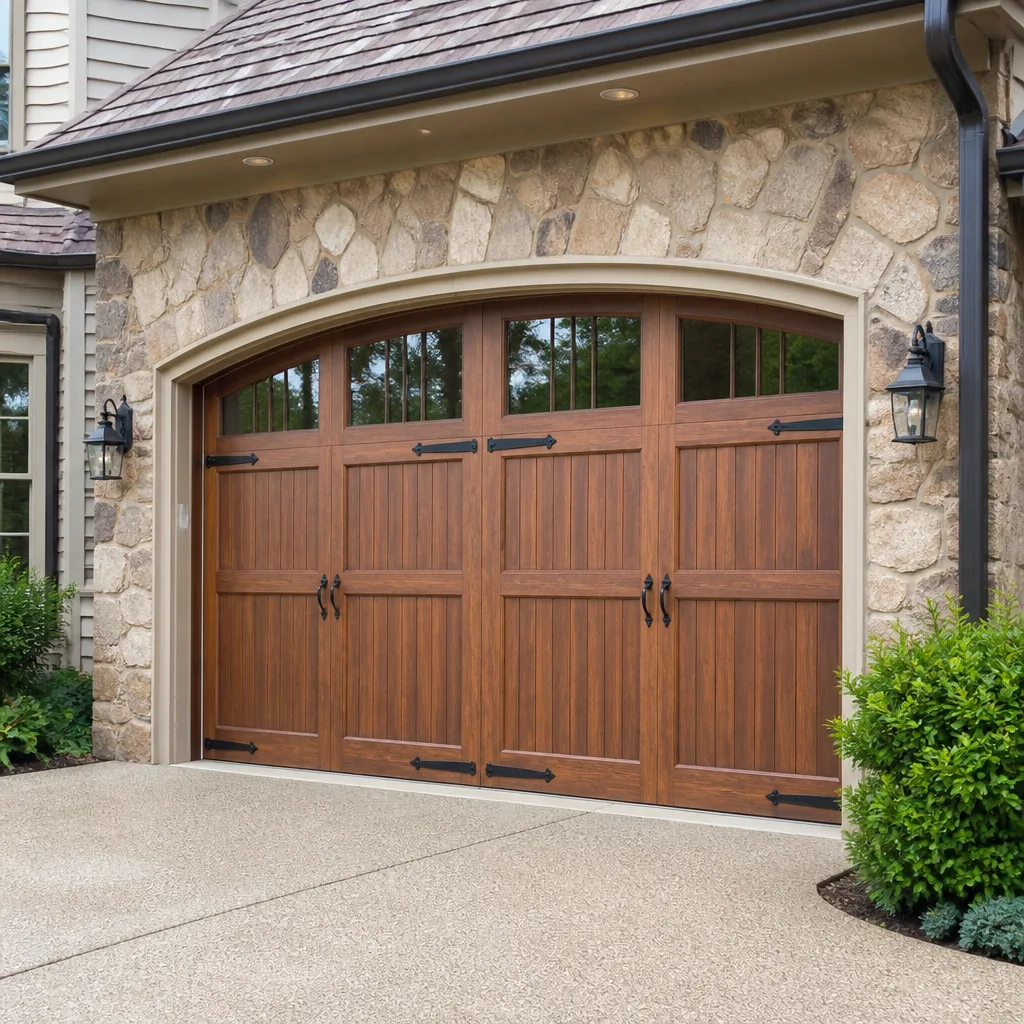 Carriage house
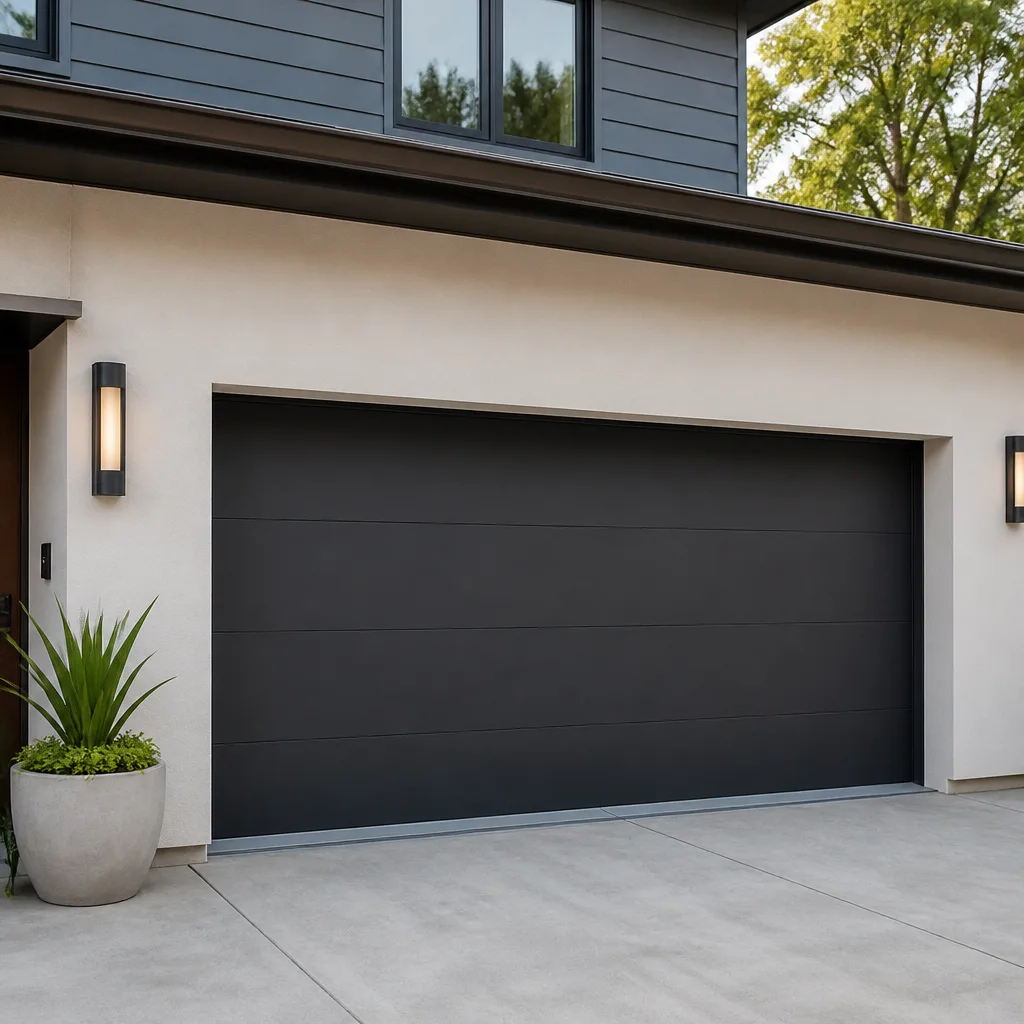 Modern flush
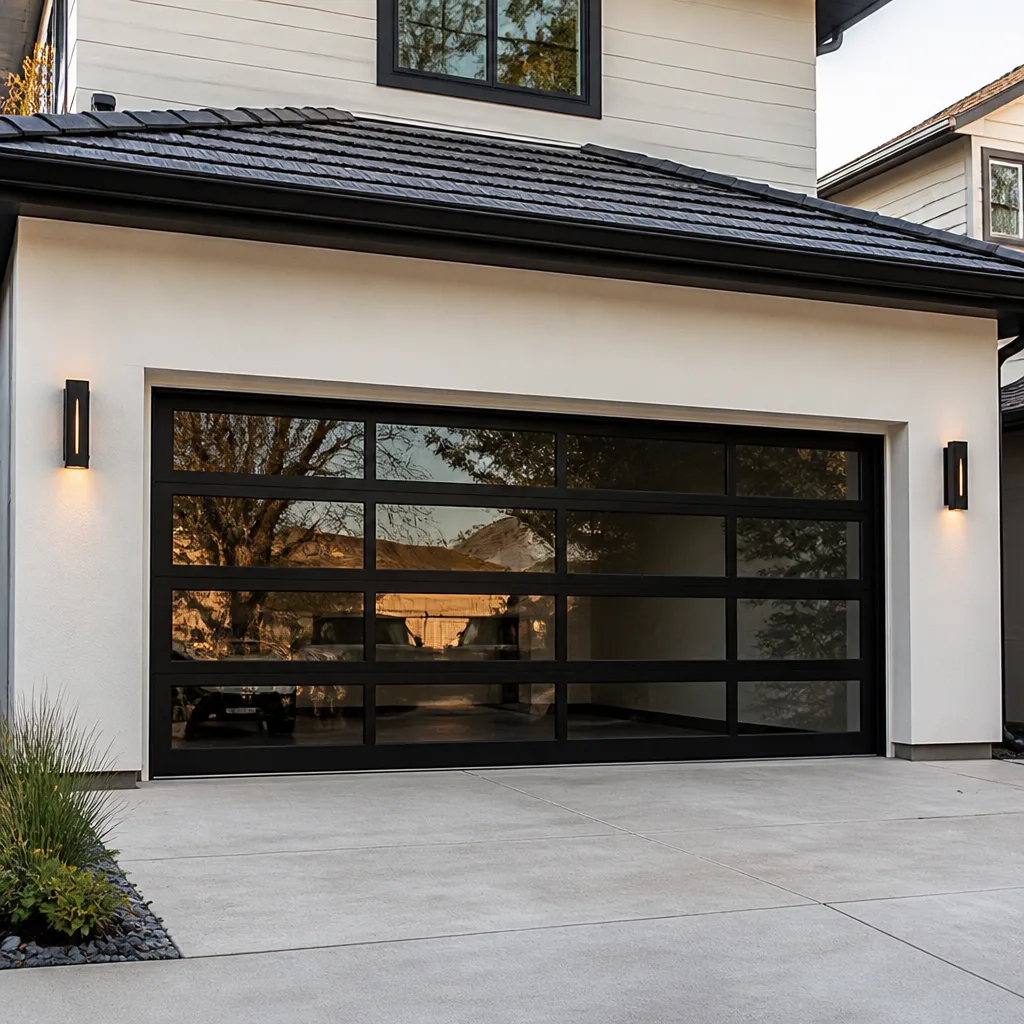 Full-view glass
 LiftMaster openers
 Chamberlain openers
Full 25-point door and opener safety check with every visit - springs, cables, rollers, tracks, and your LiftMaster or Chamberlain opener included
You get a price before we start. It does not change when the truck arrives.
Get your free estimateGarage Door Cost Breakdown: The Norwalk Homeowner’s Reference for 2026
Two quotes for a ‘standard 16×7 steel door installation’ in Norwalk can legitimately differ by $600, and both contractors can be quoting honestly. That gap isn’t markup or gouging. It’s five hidden variables neither quote explains: panel gauge, spring cycle rating, insulation type, opener rail construction, and whether haul-away is actually included. This guide makes every one of those variables visible so you can compare Norwalk quotes on equal terms instead of choosing blindly by bottom line.
Quick Answer
A complete garage door replacement in Norwalk typically runs between $1,700 and $4,900 for a standard 16×7 double door, depending on material, insulation, and opener choice. A new opener alone typically costs $480 to $950 installed. A single spring replacement typically runs $180 to $340, while a full spring-and-cable replacement on a double door runs $380 to $620. Every price here is an estimated 2026 Norwalk market range. Your written estimate sets the final number before any work begins.
Styles & brands we work with
- Raised-panel steel
- Carriage house
- Modern flush
- Full-view glass
- LiftMaster openers
- Chamberlain openers
Table of Contents
- Line-Item Breakdown: What You’re Actually Paying For
- How Door Weight Drives Spring and Opener Costs
- Single vs. Double Spring Systems: The $200 Decision That Costs $1,100 Over Five Years
- What ‘Installation Included’ Means in a Big-Box Quote vs. a Specialist Quote
- 15-Year Total Cost of Ownership: Steel vs. Wood Composite vs. Aluminum
- Norwalk-Specific Market Factors That Shift Your Quote
- Common Mistakes to Avoid
- When to Call a Professional
- Frequently Asked Questions
Line-Item Breakdown: What You’re Actually Paying For
Every garage door quote in Norwalk, whether it’s itemized or lumped into one number, is built from the same seven cost buckets. Knowing what each one should cost in this market is the single fastest way to spot a quote that’s hiding something. Here’s the 2026 Norwalk range for each line item on a standard 16×7 double door installation.
| Line Item | Typical 2026 Norwalk Range | What Drives the Price |
|---|---|---|
| Door panel (16×7) | $650 – $2,400 | Material, insulation R-value, gauge of steel, window cutouts |
| Hardware (hinges, rollers, tracks) | $140 – $380 | Roller material (nylon vs steel), track gauge, bearing quality |
| Torsion springs (pair) | $220 – $420 | Spring wire diameter, cycle rating, door weight |
| Opener (motor unit) | $280 – $620 | Horsepower, belt vs chain vs screw drive, smart features |
| Labor | $350 – $800 | Removal of old door, track alignment, opener syncing |
| Haul-away and disposal | $80 – $150 | Whether it’s included or a separate line |
| Permit (if required) | $90 – $250 | Varies by city; ask Norwalk’s building department |
Those totals land between $1,810 and $5,020 before you factor in any opener upgrades or custom sizing. The spread isn’t because contractors are inflating. It’s because a 24-gauge non-insulated steel door with a chain-drive opener costs roughly $1,700 all in, while a 2-inch polyurethane-insulated steel door with a belt-drive smart opener from LiftMaster or Chamberlain costs closer to $4,200. Both are legitimate 16×7 installations. They’re just not the same door.
If a quote comes in below $1,500 for a full double-door replacement in Norwalk, something is missing: the haul-away, the spring cycle rating, or the opener entirely. Full-service garage door repair and installation work always runs through the same checklist, and that checklist has a floor.
How Door Weight Drives Spring and Opener Costs
The variable most Norwalk quotes obscure is door weight, and it’s the one that quietly pushes your price up or down by $300 to $700. Every other component gets sized around it. A non-insulated steel door weighs about 25 percent less than a polyurethane-insulated wood composite door of the same size. That weight difference changes what springs you need, what spring cycle rating makes sense, and how much opener horsepower is genuinely necessary.
Here’s what weight actually changes:
- Spring wire diameter. Heavier doors need thicker torsion spring wire. A 0.225-inch wire spring costs more than a 0.207-inch spring and handles a narrower door-weight range. Guess wrong and the spring either doesn’t lift the door or cycles out early.
- Spring cycle rating. A spring rated for 10,000 cycles on a lightweight door might only be rated for 6,000 on a heavy one if the installer didn’t upsize. That’s the difference between seven years and four years of service.
- Opener horsepower. Most 16×7 doors need a 1/2 HP opener at minimum. Heavier insulated doors run more smoothly on 3/4 HP, especially in Norwalk where a door gets opened and closed multiple times a day as a primary entry point. A Chamberlain or Genie 3/4 HP belt-drive unit typically runs $80 to $140 more than the 1/2 HP equivalent.
- Track and hardware. Heavier doors put more lateral load on the track system. Using 2-inch track instead of 1.75-inch, and upgrading to sealed-bearing nylon rollers, adds $40 to $90 but eliminates most of the long-term wear that causes binding and uneven closing.
When you get a quote, ask one question: “What does this door weigh?” If the person quoting you can’t answer, the spring and opener sizing are a guess. A guess on a 16-foot moving wall is how you get a door that sags after two summers or an opener that burns out a gear after three years. Garage Door Service Norwalk quotes always account for the panel weight because the same technician handles the door, the springs, and the opener as one system, not three separate guesswork items.
Single vs. Double Spring Systems: The $200 Decision That Costs $1,100 Over Five Years
A single-spring torsion system costs less to install. It also costs more to own. Here’s the math in plain terms.
A standard 16×7 door can technically run on one large torsion spring. Many low-bid Norwalk installations do exactly that because it saves about $150 to $200 on parts and 30 minutes of labor. The problem is what happens over the next five years:
- Uneven load. One spring carries the full door weight on one side of the shaft. That concentrates stress on the center bearing and the left-side cable drum, causing uneven lift and premature cable fray.
- Shorter cycle life. A single spring has to handle twice the per-cycle work of a paired spring. Even when sized correctly, it typically lasts 30 to 40 percent fewer cycles before snapping.
- Bigger failure consequence. When a single spring snaps, the door has zero counterbalance left. It usually drops hard and can jam the tracks or damage the panel. When one spring of a pair snaps, the other still holds enough tension that the door is manageable until repair.
A double-spring system costs roughly $180 to $240 more on day one, using two smaller springs rated for the same door weight. Over five years in Norwalk, where a garage door is often the most-used exterior door on the house, the single-spring setup usually needs replacement at least once before the pair does. That’s a second spring job at $180 to $340 for one spring, plus the cost of whatever else the hard drop damaged: a bent track at $120 to $200, a strained cable at $60 to $110, and occasionally a cracked panel section.
Total cost of the “cheaper” choice over five years: $350 to $800 extra. That’s the $200 decision that costs $1,100 in the worst case. We always quote double-spring torsion systems for double doors in Norwalk, and we tell you why in exactly these terms before you decide.
What ‘Installation Included’ Means in a Big-Box Quote vs. a Specialist Quote
When a big-box retailer advertises a 16×7 door for $1,199 with “installation included,” what you’re actually buying is a door panel and a referral to a third-party installer network. The fine print catches up with you in six specific places, and they’re the same six places every Norwalk homeowner should inspect before signing.
- The opener is separate. “Installation included” means the door. The opener, if you want one, is usually $200 to $450 more in parts, plus labor to sync it. A specialist installation quote should include the opener in the line item breakdown so there’s no second surprise.
- Springs are entry-level. Retail bundles almost always use the cheapest spring wire that meets the bare weight minimum. That’s typically a 10,000-cycle spring on paper, but real-world performance on a 24-gauge panel door is closer to 5,000 to 7,000 cycles. You’ll replace them in three to four years.
- Haul-away may not be in the price. Some retail packages quietly add $90 to $150 for removing and disposing of the old door. Others leave it at the curb, which Norwalk’s waste services may not take as-is because of the springs and track.
- Track work is minimal. The installer is paid a flat rate by the retailer, so they install the new tracks but often don’t shim or reinforce the mounting points if the existing framing is off. That leads to binding and noise within a year.
- Permit responsibility lands on you. Retail installers often don’t pull permits. If Norwalk’s building department requires one for a door replacement with structural mounting changes, you may be expected to handle it after the fact.
- Brand parts aren’t guaranteed. A retail quote may not specify whether rollers, hinges, and springs are manufacturer-native or generic aftermarket. Generic parts fit, but they wear faster and can void a brand warranty on the panel.
A specialist installation quote includes, in writing, what the door weighs, what spring cycle rating you’re getting, what opener is included, whether haul-away is in the price, and who handles the permit. When one of our technicians quotes a Raynor, Clopay, or Amarr door in Norwalk, the quote line-items match the actual door that gets installed. That’s not an upsell. It’s the difference between a door-order and a door-system installation.
15-Year Total Cost of Ownership: Steel vs. Wood Composite vs. Aluminum
In Southern California conditions, Norwalk homeowners should calculate total cost of ownership over 15 years, not purchase price on day one. Three common material choices play out very differently over that horizon, and the differences go beyond the initial quote.
Insulated Steel (24-gauge, polyurethane core)
Initial cost: $1,100 to $2,100 for the panel.
Spring replacements over 15 years: Usually one, around $220 to $420.
Opener replacements: Usually one, around $480 to $950.
Maintenance: Low. Occasional track lube and roller replacement at year 8 or 9.
15-year total: $1,800 to $3,700.
Steel is the default choice for most Norwalk homes because it’s dimensionally stable in the valley heat, holds paint well, and doesn’t warp. The higher initial cost gets paid back by lower spring and opener wear.
Wood Composite or Solid Wood
Initial cost: $1,800 to $3,400 for the panel.
Spring replacements over 15 years: Usually two, because of weight, at $220 to $420 each.
Opener replacements: Often a 3/4 HP unit at $550 to $950, with heavier wear on the gear.
Maintenance: Moderate to high. Wood expands and contracts with Norwalk’s hot-dry to cool-damp swings, requiring re-sealing every two to three years.
15-year total: $3,200 to $6,200.
Wood doors look the way a wood door should look, and some Norwalk homes demand that aesthetic. But owners should budget for the fact that weight drives every other component cost up.
Aluminum with Glass Panels
Initial cost: $1,400 to $3,000 for the panel.
Spring replacements over 15 years: Usually one, though the lighter weight helps spring life.
Opener replacements: Usually one, around $480 to $800.
Maintenance: Low. Aluminum frame doesn’t rust or warp; the glass just needs cleaning.
15-year total: $1,900 to $4,200.
Aluminum is a good fit for Norwalk’s mid-century and modern homes where original character carries the curb appeal. One note: aluminum panels dent more easily than 24-gauge steel. If a car bumper or a kid’s basketball finds the door, a section replacement runs $180 to $400 more often than it would on steel.
When we quote a full installation in Norwalk, we walk through this 15-year view with the homeowner because the cheapest day-one price is rarely the cheapest 15-year price. A $1,700 bare steel door with a chain-drive opener and single spring will likely need $700 to $1,000 in service before year eight. A $2,600 insulated two-spring door with a belt-drive opener often needs nothing but a roller swap in the same window.
Norwalk-Specific Market Factors That Shift Your Quote
Norwalk’s local housing stock and climate quietly shape what a garage door should cost here, often without the homeowner realizing it. Four factors matter more than the rest.
Garage as Primary Entry
In much of Norwalk, the garage is the door the family actually uses multiple times a day, while the front door is for guests. That means the opener motor, the spring cycles, and the track bearings take far more real-world wear than a door that opens once or twice a day. It’s the reason we recommend cycle-rated springs and belt-drive openers for Norwalk homes more often than for vacation properties or passive garages elsewhere. A Genie or Chamberlain belt-drive unit costs $80 to $120 more upfront, but it’s the right tool for a door that will open 10,000 times before you think about it again.
Heat and Sun Exposure
The San Gabriel Valley gets a lot of direct afternoon sun, and garage doors in Norwalk face it for hours a day through the warm half of the year. Steel panels without insulation absorb that heat and radiate it into the garage, which often sits directly below a bedroom or sits adjacent to a laundry room. An insulated steel door with a polyurethane core keeps the garage 15 to 20 degrees cooler in summer, which is a real number for a home where the garage doubles as storage or a workshop. It also prevents the panel from developing the oil-canning warp that uninsulated steel sometimes shows after a few years of direct sun exposure.
No Freeze-Thaw, But Thermal Cycling
Norwalk doesn’t get freeze-thaw cycles that crack panels or ice-dam seals the way colder markets do. What it does get is a thermal cycle: hot afternoons, cool nights, and a dry season that pulls moisture out of wood and composite materials. For steel and aluminum doors, that thermal cycling is mostly irrelevant. For wood doors, it means seasonal expansion and contraction never really stops. A wood door in Norwalk should be re-sealed every two to three years on the south and west exposures, or the panel edges will start to show it.
Permit Expectations
Most spring replacements and opener swaps in Norwalk don’t require a permit. A full door replacement, especially one that modifies the opening or mounts new track to the structure, may. It depends on the scope of the job and the existing condition of the mounting points. We tell every Norwalk customer this directly and recommend checking with the city’s building department before a full installation, because what counts as a like-for-like swap versus a structural modification is not always obvious. A written quote from us always specifies whether a permit is included or the homeowner needs to pull it.
None of these factors should add mystery to a quote. They should explain it. When a Norwalk homeowner sees a $2,200 quote and a $1,700 quote for the same size door, the difference is usually in these four places: spring cycle rating, insulation, opener quality, and whether the installer is actually accounting for weight and use patterns.
Common Mistakes to Avoid
- Choosing by bottom-line price only. A $1,500 Norwalk quote and a $2,300 quote are often two different doors, not two prices for the same door. If the lower quote doesn’t itemize spring cycle rating, panel gauge, and opener model, you don’t actually know what you’re buying. Ask for the line items before you compare.
- Replacing just the spring that snapped. Springs in a pair wear at the same rate. If one goes, the other is close behind. Replacing only the broken one saves $150 now and usually costs a full service visit again in six to nine months, which erases the savings.
- Putting a 1/2 HP opener on a heavy insulated door. The opener will technically lift it, but the gear and belt wear accelerates. On a Norwalk primary-entry garage, that’s the difference between a seven-year opener and a three-year opener. Match horsepower to actual door weight, not to the cheapest option on the shelf.
- Ignoring the haul-away line. Some low quotes don’t include it, and old garage doors with springs still attached are not a normal curb-side pickup in Norwalk. You’ll either pay for a special pickup or have a rusted panel leaning against the side of the house. Confirm disposal is in the price.
- DIY-ing torsion spring work. Torsion springs are under enough tension to cause serious injury or worse when they release. A trained technician has the winding bars, the right spring wire sizing, and the experience to do it safely in under an hour. A DIY job that goes wrong costs far more than the service call would have.
- Not considering cycle rating. Two quotes can both say “torsion spring replacement” and differ by $90 because one is a 10,000-cycle spring and the other is a 20,000-cycle spring. Both are legitimate, but they last very different amounts of time on a garage that opens four times a day. Ask which one you’re being quoted.
- Waiting until the door won’t open at all. A Norwalk garage that’s a primary entry point can’t be out of commission. If the door is straining, binding, or grinding, garage door opener repair or spring replacement now is cheaper than emergency replacement after a hard failure damages the track or panel.
When to Call a Professional
You should call a garage door specialist in Norwalk the moment the door makes a new noise, lifts unevenly, or opens slower than it used to. These are early-warning signs of spring fatigue, track wear, or opener strain. A technician who works on LiftMaster, Chamberlain, Genie, and Raynor systems every day can diagnose it by sound and feel before it becomes a full failure. Same for the door brands themselves: Clopay, Amarr, Wayne Dalton, and Raynor panels each have specific hardware tolerances, and the fix is brand-matched, not improvised. Your garage door is your home’s largest moving part, and the tension in the spring system is not the place to experiment. Garage Door Service Norwalk offers free estimates in Norwalk – call (833) 589-9971. We answer 24/7. Fast dispatch from 7am to 7pm, Sunday through Friday.
Frequently Asked Questions
A standard 16×7 double garage door installation in Norwalk typically costs $1,700 to $4,900 including panel, hardware, springs, opener, labor, and haul-away. The spread depends on material, insulation, spring cycle rating, and opener quality. A written estimate is free and sets the final price before work starts. Call (833) 589-9971 for an exact quote.
The door panel itself is the single most expensive line item, typically $650 to $2,400 for a 16×7 in Norwalk, depending on material and insulation. The opener is usually second at $280 to $620, followed by labor at $350 to $800. Insulation is the variable that swings panel price the most.
We answer 24/7 and dispatch technicians from 7am to 7pm, Sunday through Friday. Spring replacement is usually a same-day job when scheduled during dispatch hours. Call (833) 589-9971 and we’ll tell you the next opening.
We quote from the actual door weight, size, and condition during the estimate, so the written quote is the price. If we find hidden damage during the job, we stop and show you before anything is added. No surprise line items. No re-quoting after the fact.
We carry a full range of torsion springs, cables, rollers, and hardware for the major brands we service, including Raynor, LiftMaster, Chamberlain, and Genie. Most Norwalk spring and opener repairs are completed in one visit. Rare panel replacements are ordered and scheduled from the written estimate.
We work on doors and openers from LiftMaster, Chamberlain, Genie, Clopay, Amarr, Wayne Dalton, Craftsman, and Raynor. That covers the drive system and the panel itself under one service call, with brand-matched parts and system-specific diagnostics rather than generic guesswork.
The Bottom Line
Garage door pricing in Norwalk only looks like a black box. When you can see the seven line items, the weight math, the spring cycle logic, and the 15-year ownership picture, the differences between quotes stop being confusing and start being choices. A $600 gap between two honest quotes usually means better springs, a heavier panel, a smarter opener, and haul-away actually included. The work is to find out which is which. Compare line items, ask about door weight, insist on double springs for a double door, and never let a low number wave away the detail that holds it together. Your garage door is your home’s largest moving part. Treat the quote like a system, not a sticker price.
Written by the team at Garage Door Service Norwalk, serving Norwalk since 2014.
See the difference
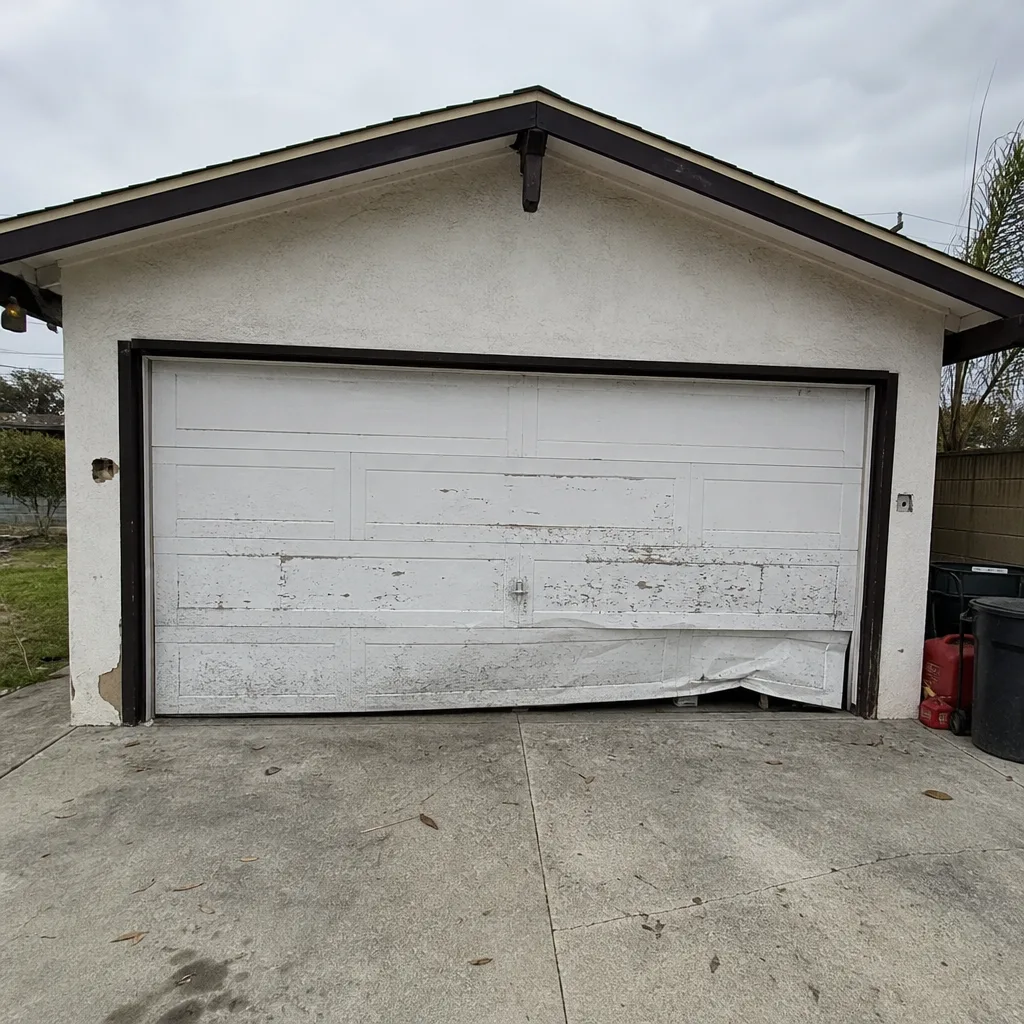 Before
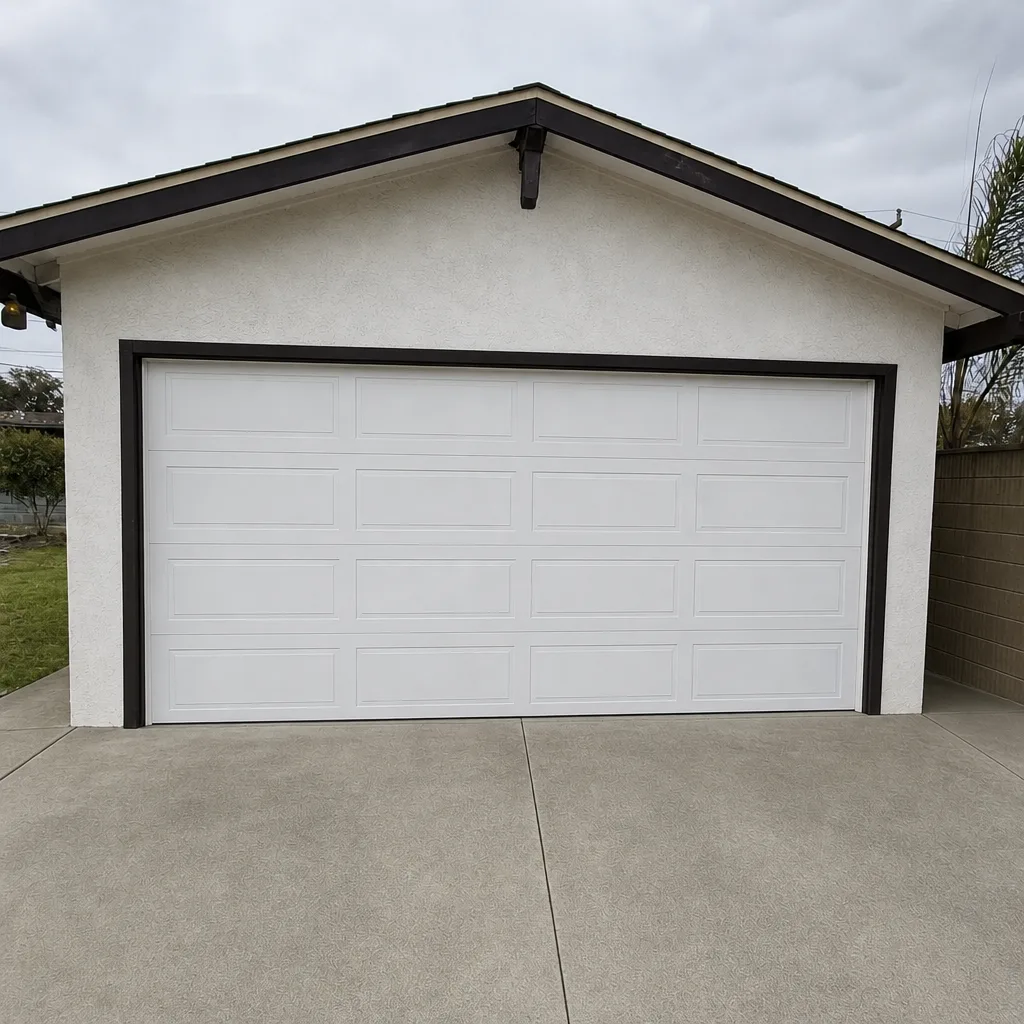 After
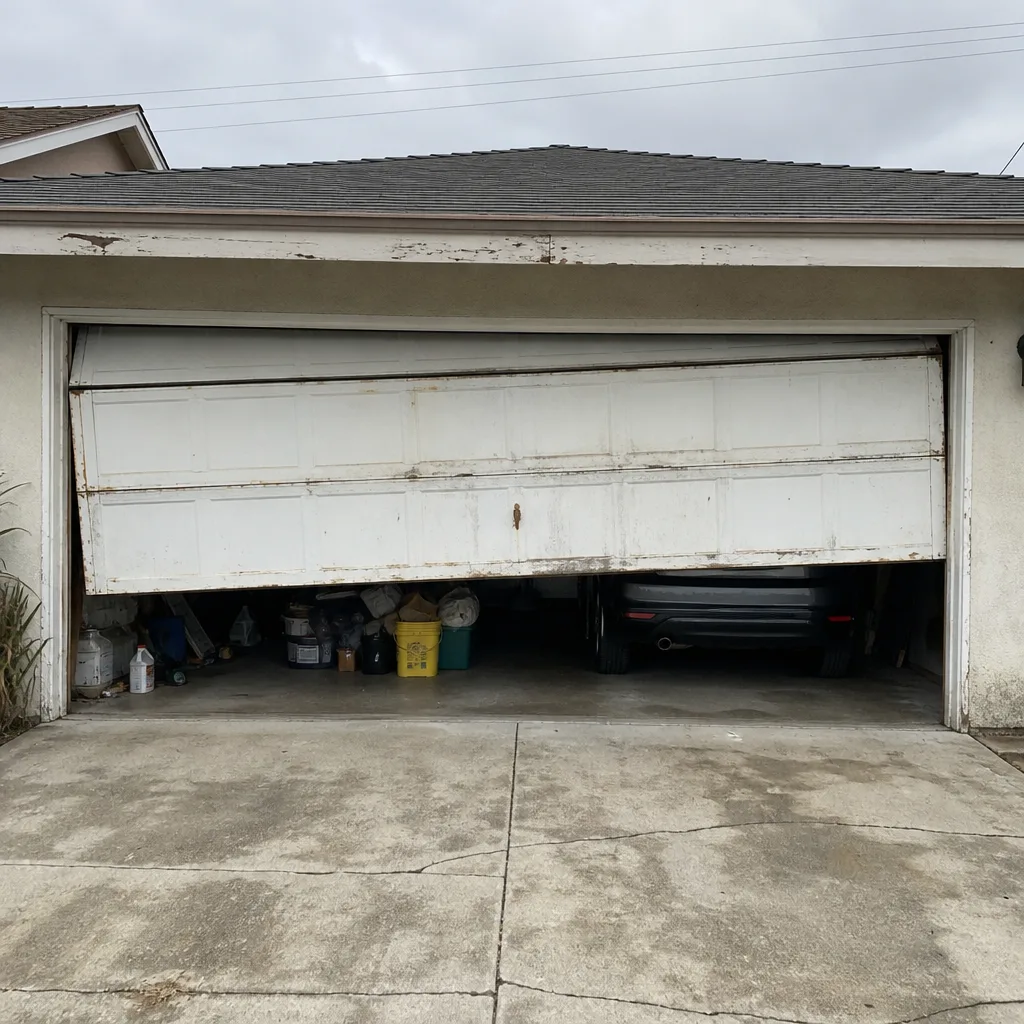 Before
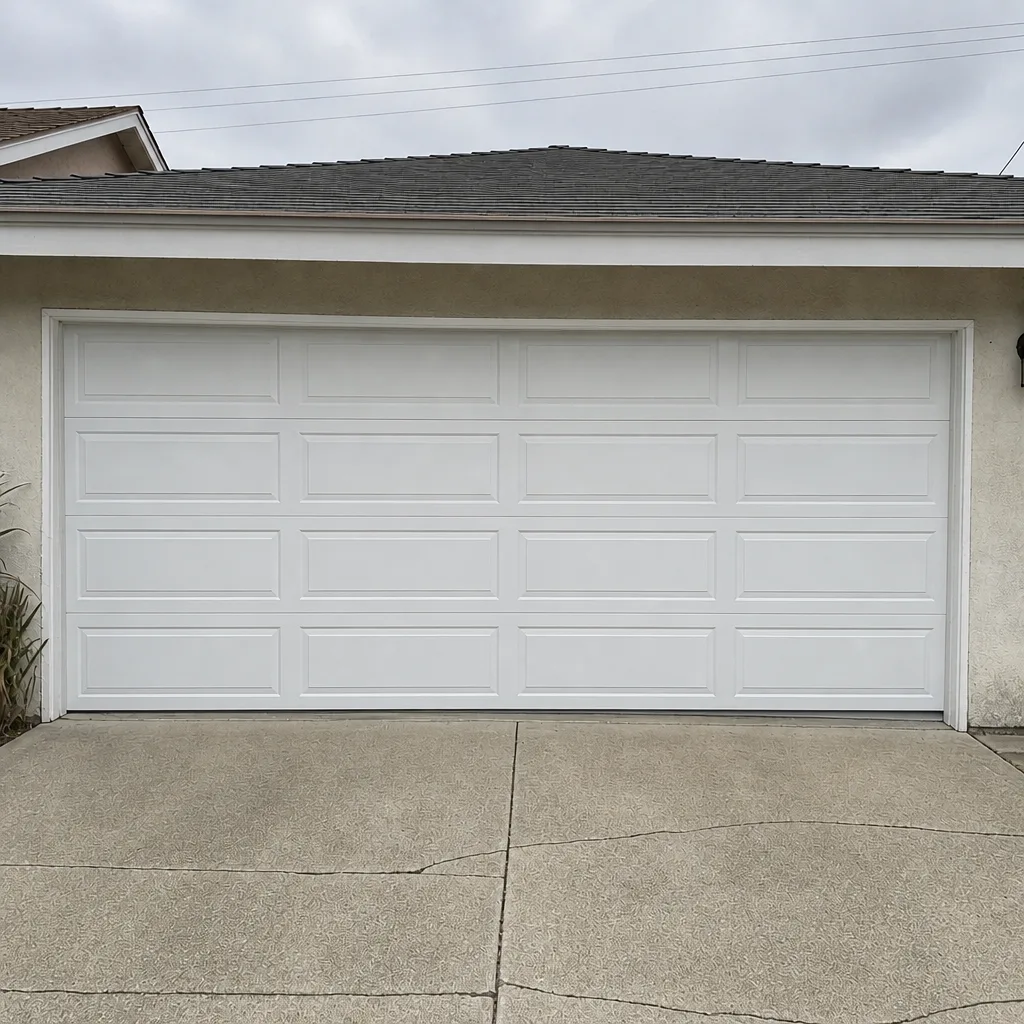 After
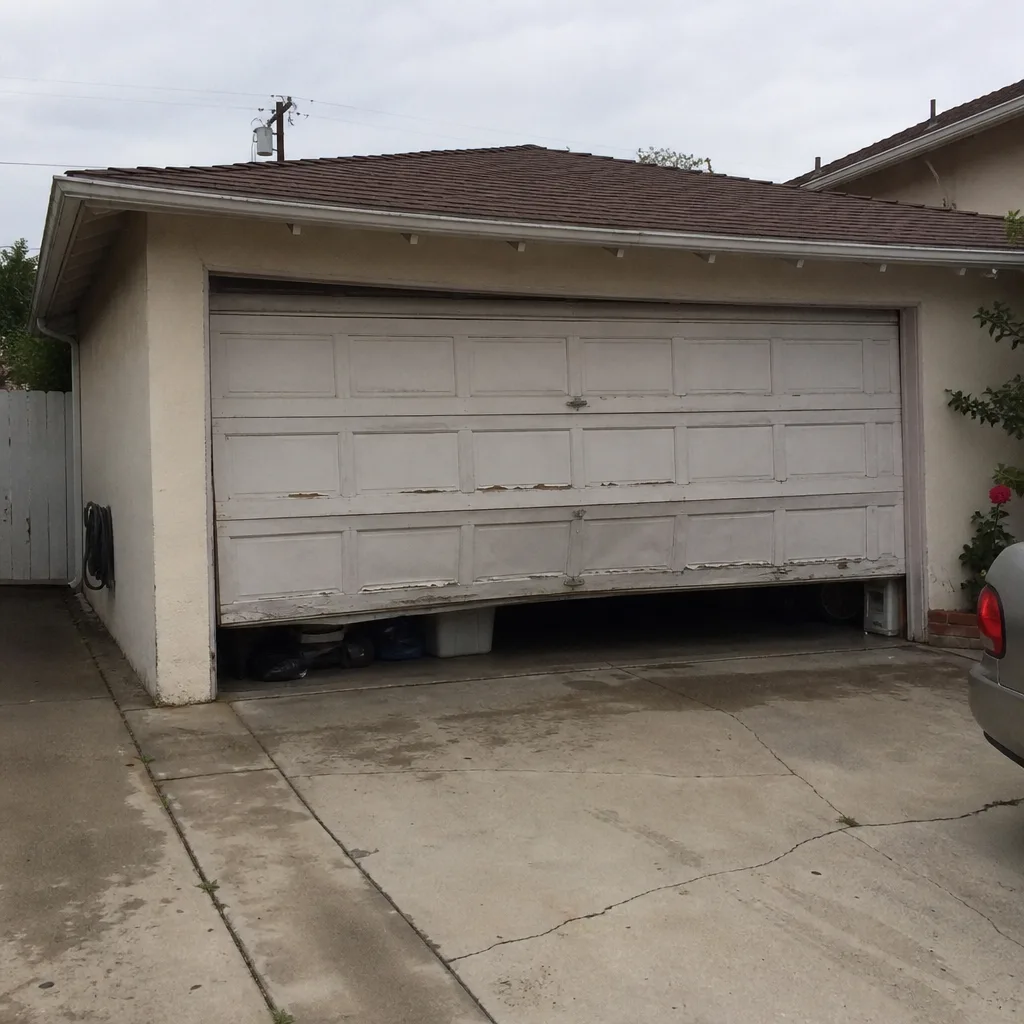 Before
 After